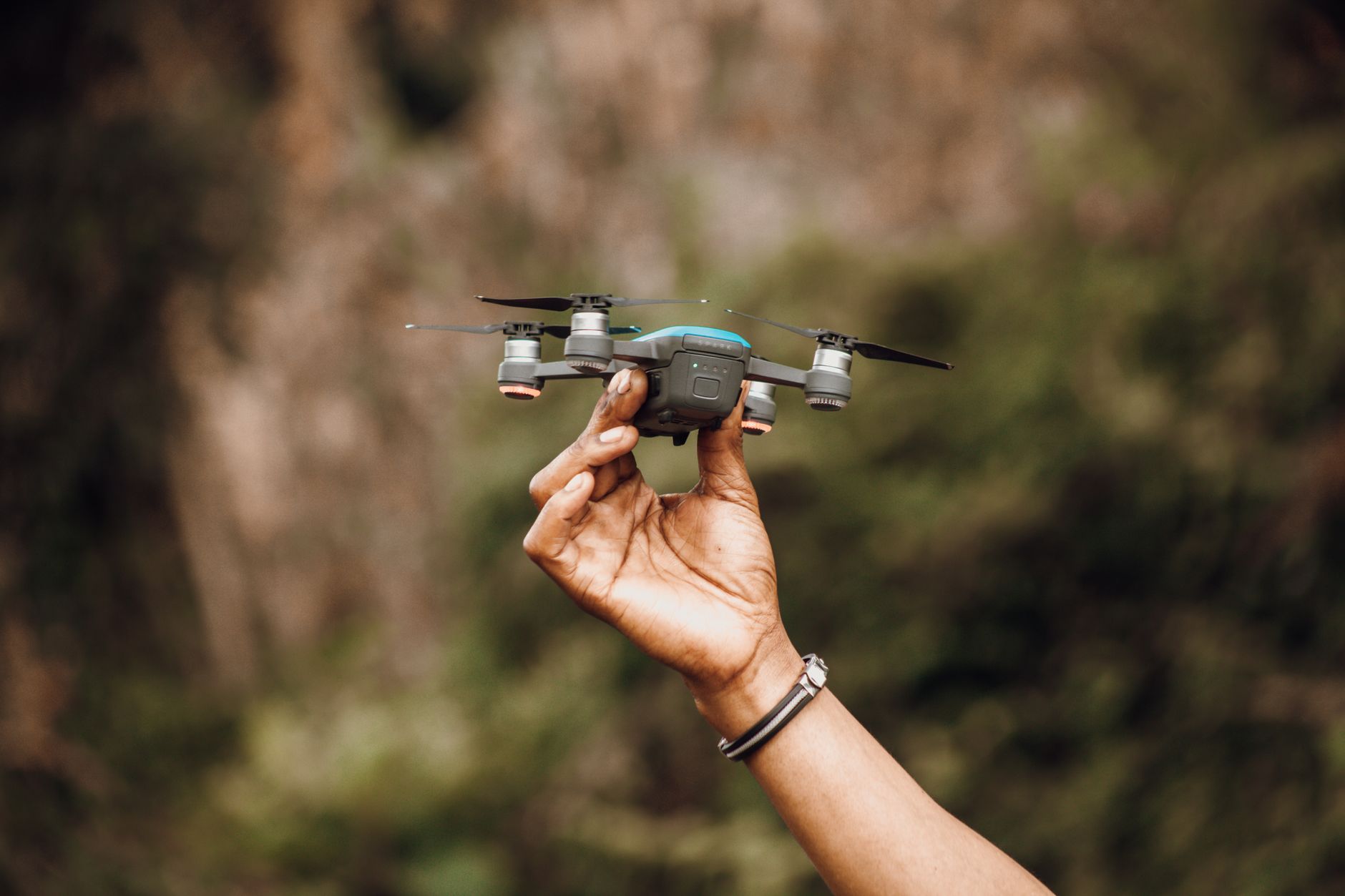
How to Fly a Drone: Complete Beginner Flight Tutorial

Quick Answer: Start with a sub-250g drone in a wide open space. Register if required, complete a free safety test, and practice basic hover, yaw, and landing drills at low altitude. Most beginners gain confident control after 5 to 10 battery cycles of structured practice. Learning to fly a drone feels intimidating at first. My first takeoff ended with a wobble and a quick landing. But after a few structured sessions, the controls became natural. This guide walks you through your first flight and the drills that build real confidence. Start with a model from our best drones for beginners list. A lightweight, stable drone reduces stress and repair costs. Many beginner models include propeller guards and one-key return features. The FAA treats drones under 250 grams as recreational aircraft with fewer restrictions. Still, you must follow airspace rules. Check your country’s rules before you charge a battery. ...
August 13, 2026 · 10 min · Jarrod Gravison

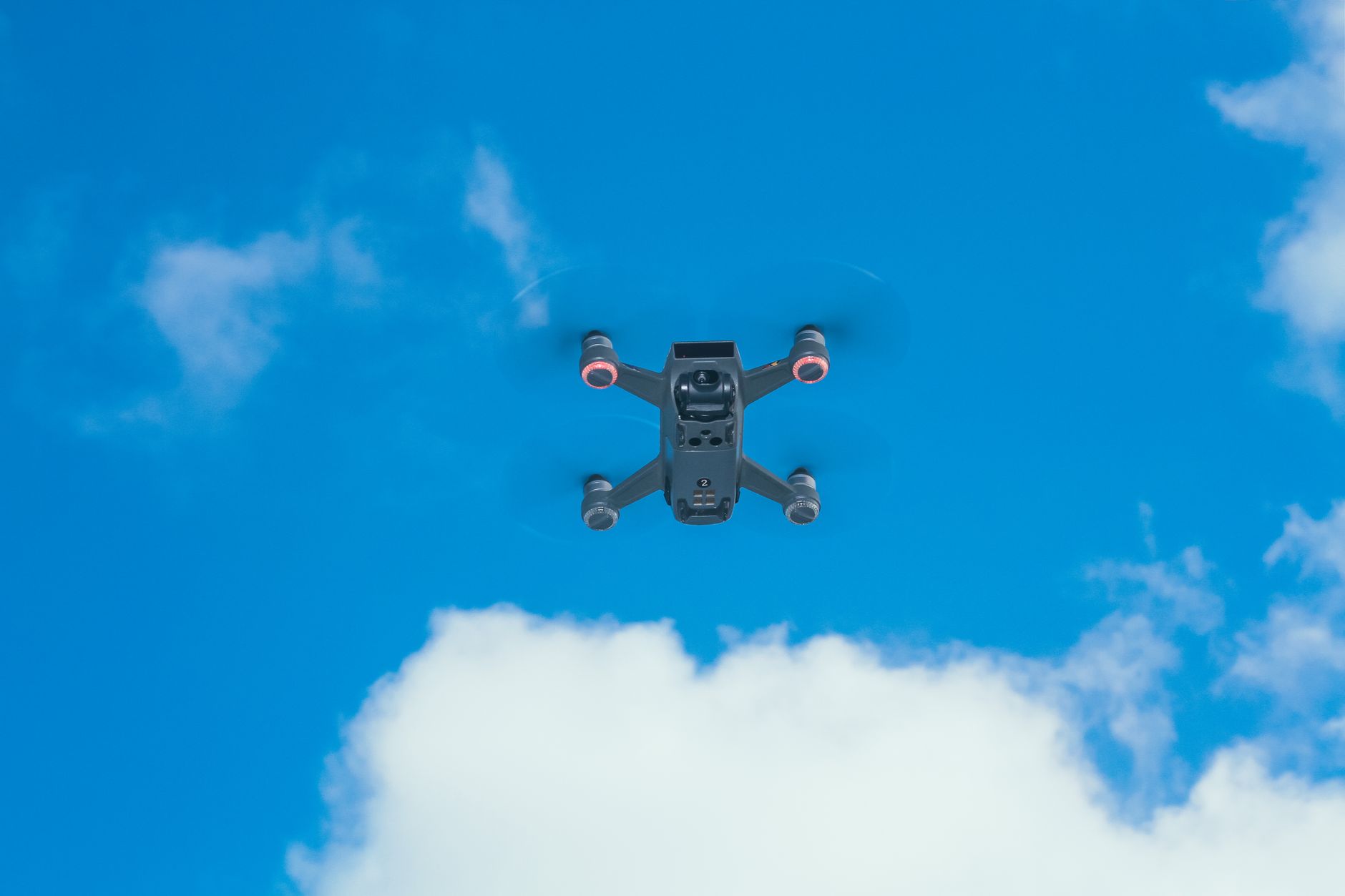
How to Extend Drone Flight Time and Store Batteries Safely

Quick Answer: To extend drone flight time, fly in calm conditions, reduce weight, keep batteries between 15 and 25 degrees Celsius, and avoid full discharge. Store LiPo batteries at 3.8 to 3.85 volts per cell in fireproof bags. Check FAA or Transport Canada rules before you fly. Drone batteries decide how long you stay in the air. A brand new drone may promise 30 minutes of flight. But real world numbers are often lower. Wind, cold, and aggressive flying all cut into that time. Most consumer drones rely on lithium polymer, or LiPo, cells. Each cell has a nominal voltage of 3.7 volts. A fully charged cell sits at 4.2 volts. A storage cell should sit at 3.8 to 3.85 volts. These numbers matter because they affect performance, battery life, and fire risk. The good news is that small changes help a lot. You can extend flight time and keep packs safer. ...

August 13, 2026 · 11 min · Jarrod Gravison