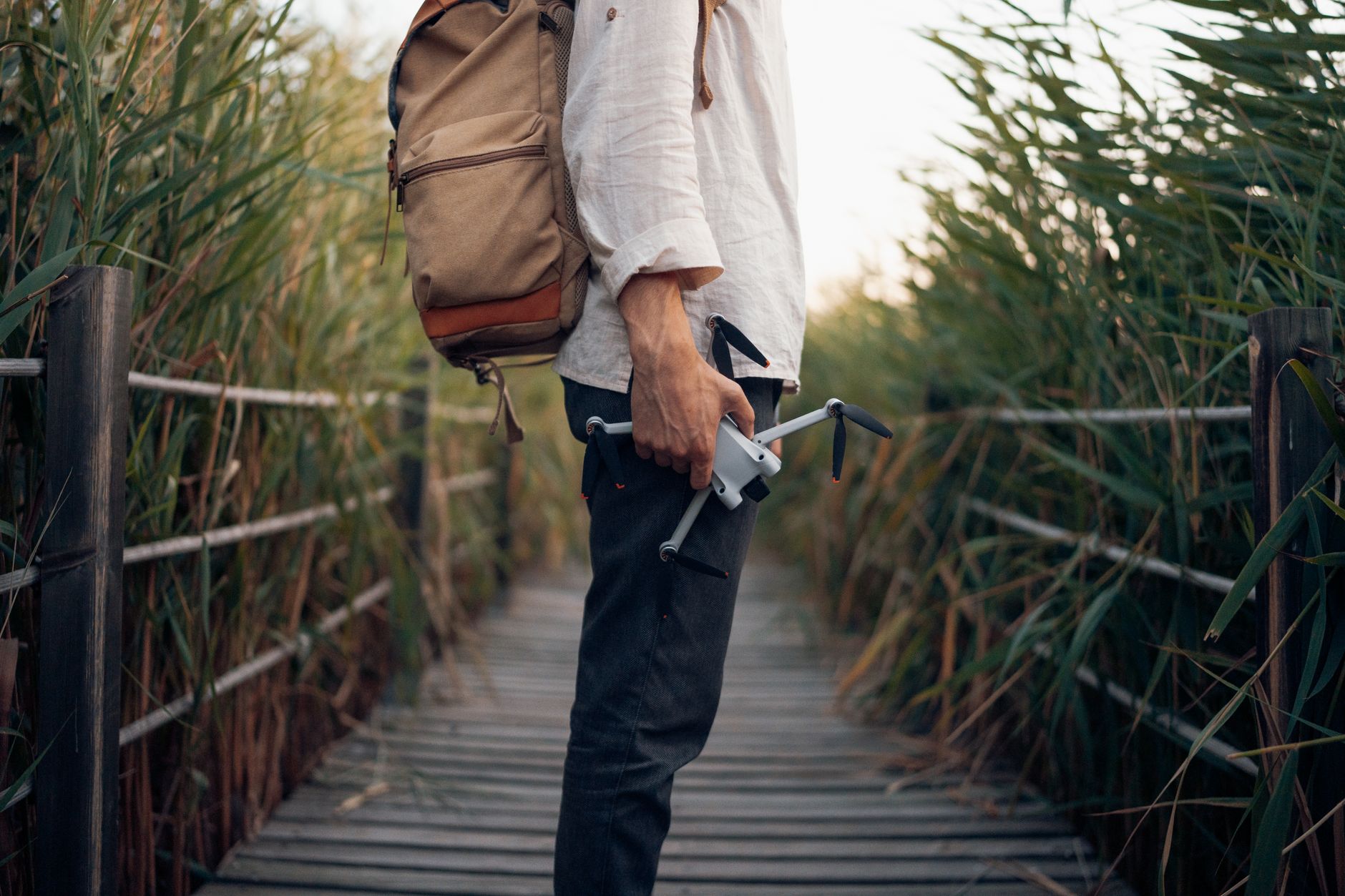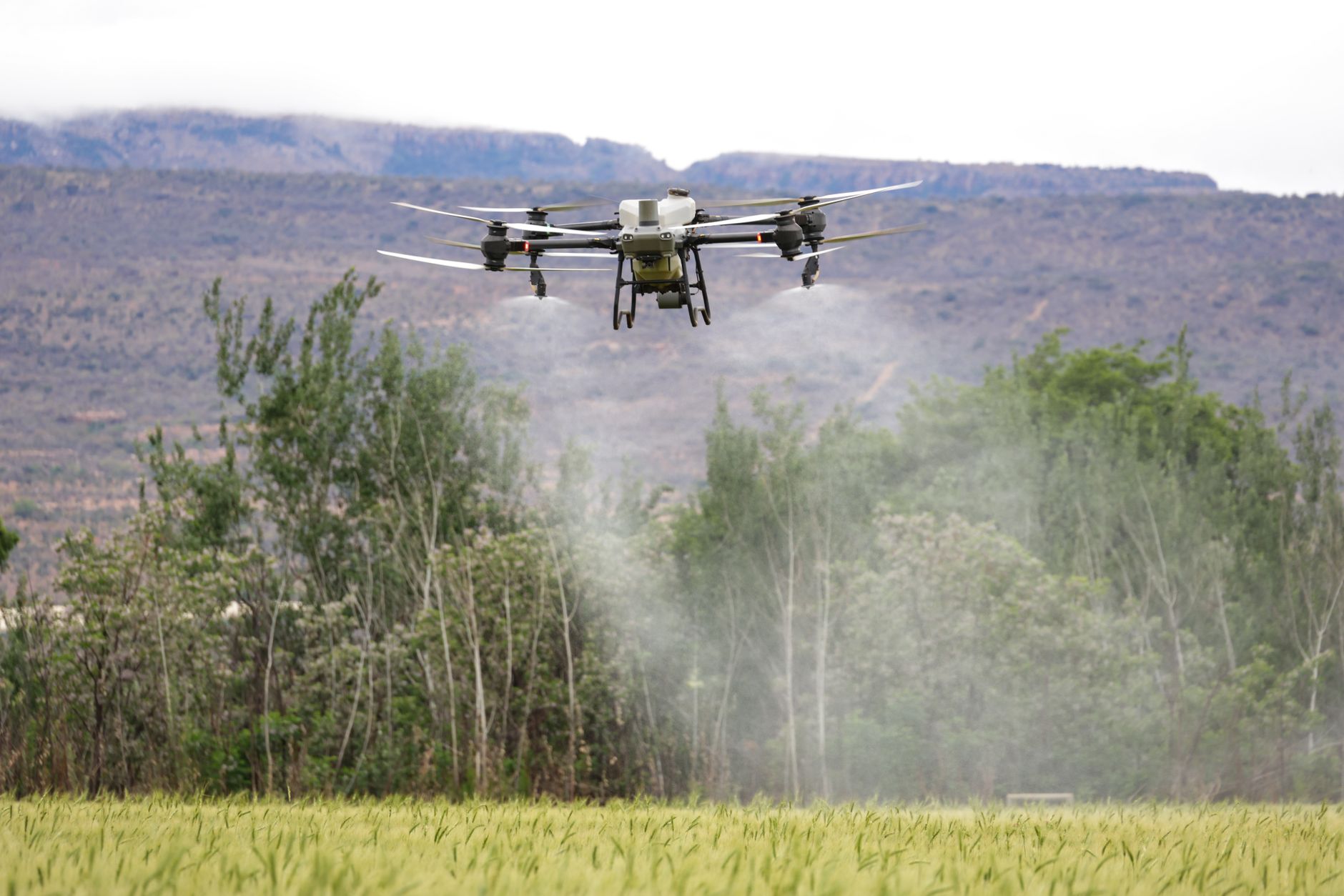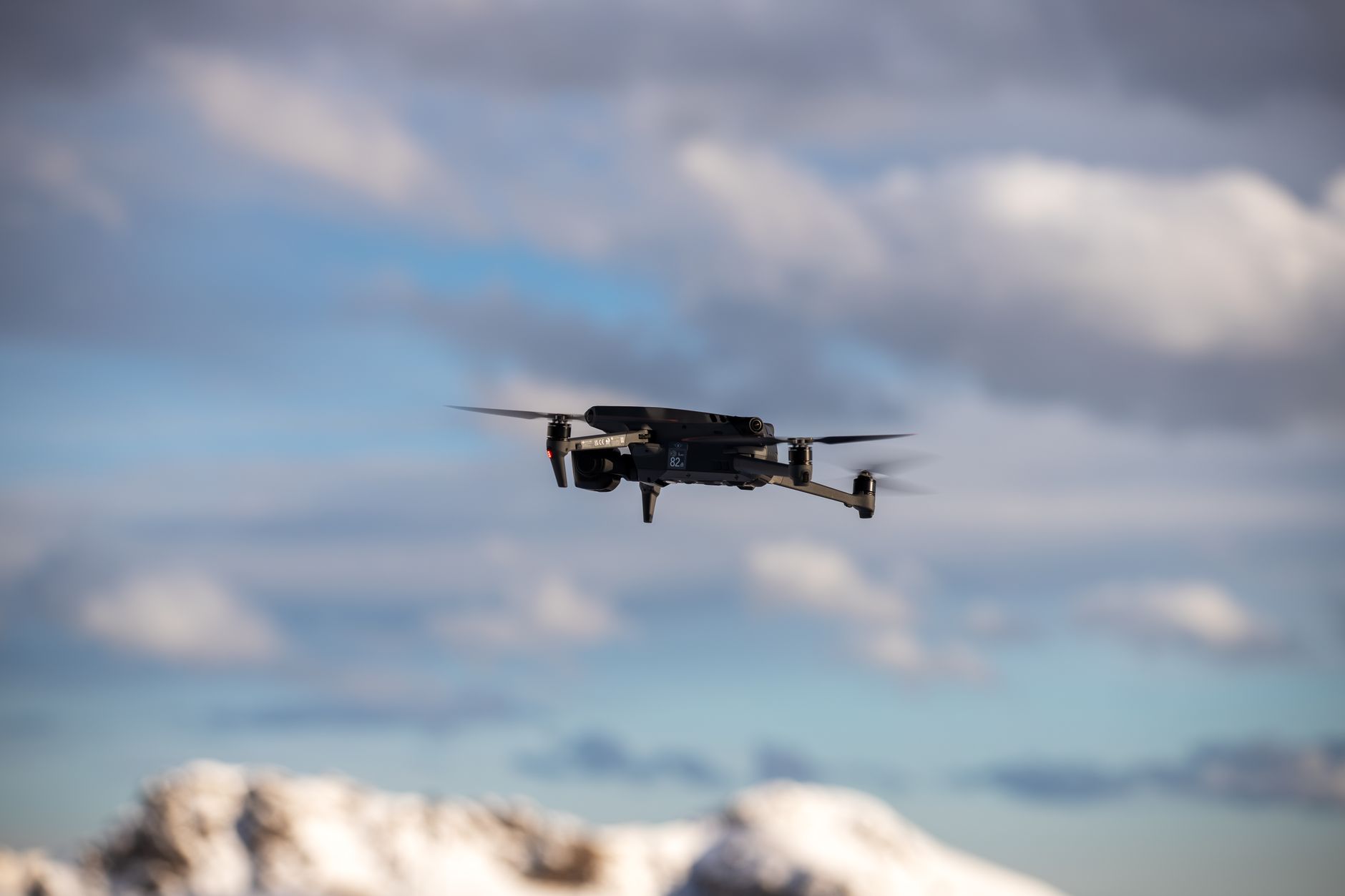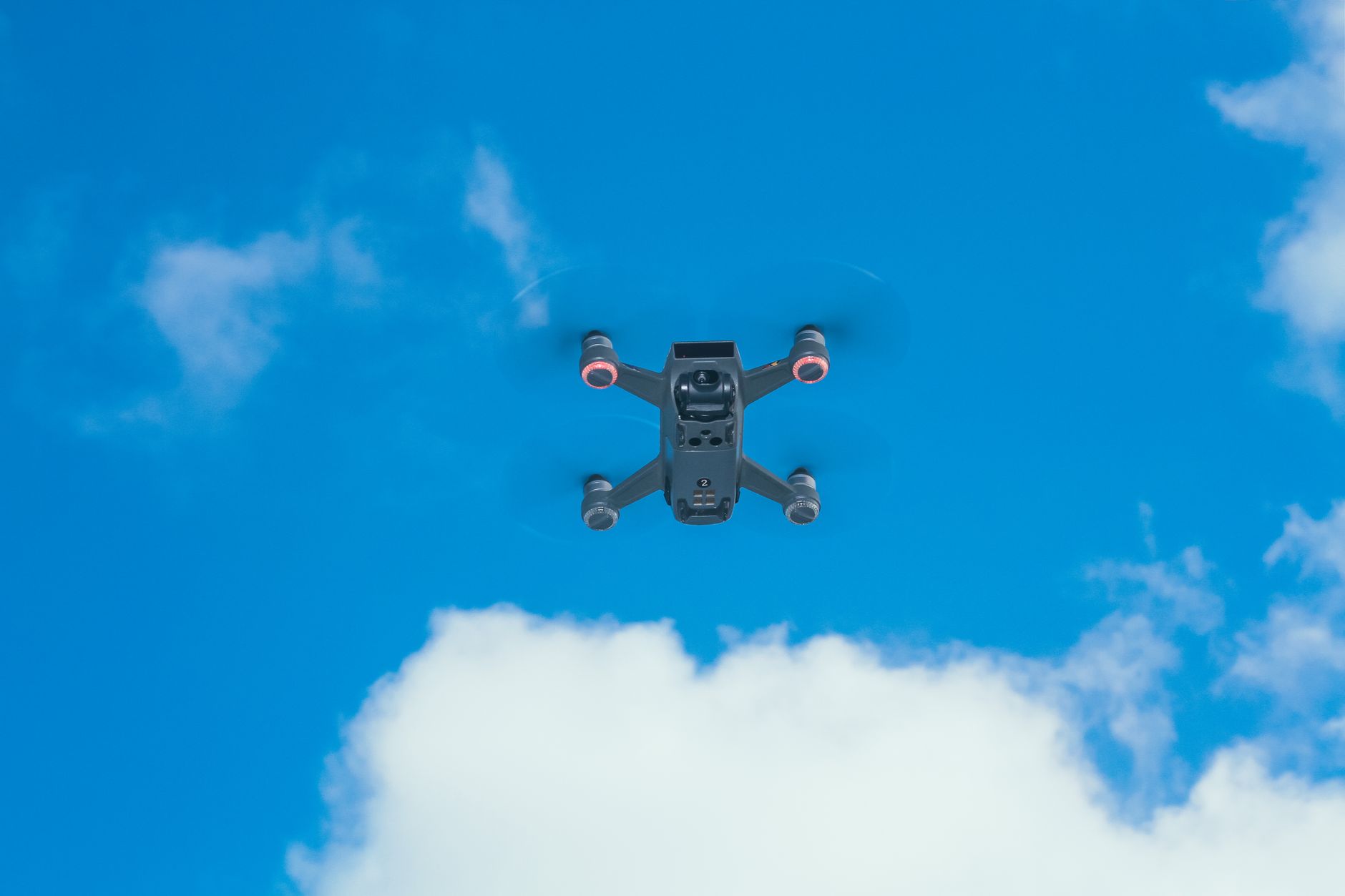
Drone batteries decide how long you stay in the air. A brand new drone may promise 30 minutes of flight. But real world numbers are often lower. Wind, cold, and aggressive flying all cut into that time. Most consumer drones rely on lithium polymer, or LiPo, cells. Each cell has a nominal voltage of 3.7 volts. A fully charged cell sits at 4.2 volts. A storage cell should sit at 3.8 to 3.85 volts. These numbers matter because they affect performance, battery life, and fire risk. The good news is that small changes help a lot. You can extend flight time and keep packs safer.
This guide covers the habits that matter most. You will learn how to manage voltage, temperature, and charge rates. You will also learn how to store batteries between flights. The rules are not just suggestions. Transport Canada and the FAA both restrict how you carry lithium batteries on aircraft. Those rules exist because a damaged pack can catch fire. Before you buy a drone, compare real battery specs. Our best DJI drones compared article shows which models offer the longest official flight times.
Most pilots focus on the aircraft. But the battery is the weakest link. Heat and deep discharge age a LiPo faster than anything else. Fly with a plan, land with reserve, and store at the right voltage. That simple system can add dozens of cycles to a pack. It can also prevent a house fire. A puffed or hot battery is a warning sign. Do not ignore it. Even if you fly a small beginner drone, these habits apply. The stakes rise with larger packs and higher cell counts. You do not need expensive gear to start. A voltage checker and a fireproof bag are enough. The next steps explain exactly how to do it.
What You’ll Need
- Smart balance charger with storage mode
- Battery voltage checker or LiPo cell meter
- Fireproof LiPo bag or vented ammo can
- Timer or on-screen battery telemetry
How Do You Extend Drone Flight Time and Store Batteries Safely?
- Know your battery voltage and capacity limits
Every battery has a voltage range. A LiPo cell is full at 4.2 volts. It is empty around 3.5 volts under load. But you should never let it drop that low in normal flight. A healthy resting voltage after landing is about 3.7 to 3.8 volts per cell. Capacity is measured in milliamp hours, or mAh. A 2250 mAh pack can deliver 2.25 amps for one hour in theory. Real flight draws much more. If your drone pulls 15 amps, that same pack lasts only about 9 minutes. Check your battery label before flying. The C rating tells you how fast it can discharge safely. A 30C pack rated at 2250 mAh can deliver 67.5 amps. That is often more than a beginner quad needs. If you are new, read best drones for beginners to see models that come with simpler battery systems.
A common mistake is flying until the drone force lands. That drains cells below safe levels. The flight controller may show 10 percent remaining. But voltage sag under load can hide damage. Land sooner. Use a battery checker after each flight. Aim for a resting voltage of 3.7 to 3.8 volts per cell. If your pack shows 3.5 volts after resting, it has been over discharged. That shortens life and increases fire risk. Once you know your numbers, you can warm batteries safely in the next step.

- Warm up and balance cells before every flight
LiPo packs perform best between 20 and 35 degrees Celsius. A cold pack sags under load. You lose flight time. In winter, keep packs in an inside pocket. Do not put them on a car heater. Warm them slowly with body heat. Some pilots use insulated bags. Check cell balance before takeoff. A smart charger shows individual cell voltages. All cells should be within 0.1 volts of each other. If one cell is lower, balance charge it. An unbalanced pack can trigger an early low voltage warning. That cuts your usable flight time. It can also damage the weaker cell.
Heat is different from warmth. Never leave a battery in direct sun. A hot pack can puff. Puffed cells are dangerous. If you see swelling, stop using it. Discharge and recycle. Many pilots buy a fireproof battery bag and a balance charger. Those are wise accessories. This step sets up the next one. When cells are balanced and warm, you can manage power draw in flight.

- Fly with settings that reduce power draw
Your flying style has a big effect on battery life. Aggressive throttle punches drain packs fast. Smooth, steady inputs use less current. If your drone has a cinematic or tripod mode, use it for longer flights. Avoid constant full throttle climbs. Hovering is not always efficient either. Forward flight creates lift from the rotors. Moderate forward movement can be more efficient than a stationary hover in some drones. Still, wind matters more than anything. Flying into a 20 km/h headwind can cut flight time by 25 percent. Plan your route so you return with the wind.
Some drones let you adjust maximum speed or gimbal smoothing. Lowering max tilt reduces current draw. You might extend a 25 minute flight to 27 or 28 minutes. That may seem small. But across several batteries it adds up. If you want a model with efficient flight modes, explore best travel drones 2026. These models often have lower weight and slow speed presets. Also remove unnecessary prop guards or landing gear if safe. Weight is the enemy. This connects to the next step: land before you drain too low.
- Land with reserve capacity
Deep discharge is the fastest way to kill a LiPo. Do not rely on the drone’s automatic return to home as a battery manager. Set a timer. Land when the pack reaches 20 to 30 percent under load. That usually leaves a resting voltage around 3.7 volts per cell. A 30 percent reserve on a drone rated for 30 minutes means you land at roughly 21 minutes. That is normal. The rated flight time is tested in ideal conditions with no wind and a fresh battery. Your real flight time will be shorter.
If you fly an FPV drone, monitor voltage in the on-screen display. Land when the lowest cell reads 3.5 volts under load. That may bounce back to 3.7 after landing. Some pilots chase the last second in the air. That habit costs money. A damaged pack may work for a few cycles. Then it fails. FAA recreational rules do not set a specific battery reserve for drones. But Transport Canada requires you to avoid endangering people. A dead stick landing is dangerous. See drone laws Canada for the legal basics. We will cover battery transport later.
- Store at the correct voltage and temperature
Storage voltage is the single most important habit. Store LiPo packs at 3.8 to 3.85 volts per cell. Most smart chargers have a storage mode. Use it. Do not store batteries fully charged for more than 48 hours. A fully charged cell degrades faster. It also has more energy available for a fire. Do not store batteries fully discharged either. A cell below 3.0 volts can become unstable. If you will not fly for a week, put packs at storage voltage.
Temperature matters. Store batteries between 15 and 25 degrees Celsius. Avoid hot garages and freezing basements. A cool, dry, fireproof container is best. Some pilots use metal ammo cans with the seal removed. Others use LiPo safe bags. Never store loose batteries where they can short. Cover the main leads and balance plugs. Battery care is not just about one pack. It protects your home. See our drone battery care guide for a full routine. Simple drones still need storage care.

- Charge at safe rates and inspect every pack
Charge at 1C or less. That means a 1500 mAh pack charges at 1.5 amps. A 5000 mAh pack charges at 5 amps. Fast charging is convenient but it heats the cells. Heat accelerates aging. Never charge a damaged or puffed battery. Inspect the pack before each charge. Look for swollen cells, dents, or a sweet solvent smell. If anything seems off, discharge it and recycle. Use a balance charger. Never use a simple wall adapter without cell monitoring.
Charge on a non-flammable surface. Do not charge on your bed or near papers. Stay in the room while charging. Set a timer. A LiPo fire can start in seconds. If a pack starts to swell or hiss, stop charging. Move it to a safe outdoor area if possible. Many smart drone batteries have self-discharge features. They can help if you forget to storage charge. Still, check them manually. The next step covers transport rules.
- Follow drone battery rules for travel and disposal
Drone battery rules come from two main sources. The FAA and Transport Canada both restrict lithium batteries in carry-on and checked luggage. In the U.S., spare drone batteries must go in carry-on bags. Batteries above 100 watt hours need airline approval. Most consumer drone packs are under 100 Wh. Still, check the official page at FAA UAS. In Canada, Transport Canada has similar rules. Spare batteries must have terminals protected. They must be carried in carry-on baggage. See the Transport Canada drone safety page for latest limits. Do not put loose batteries in checked bags. A fire in the cargo hold is extremely dangerous.
For disposal, never throw LiPo batteries in the trash. Discharge them fully using a salt water bath or a dedicated discharge mode. Then take them to a battery recycling center. Some electronics stores accept them. If a battery is puffed or damaged, isolate it in a fireproof container outdoors. Do not puncture it. This step connects to everything above. Safe storage and charging reduce the chance of a damaged pack. If you follow these steps, your batteries will last longer and stay safer. If you plan to fly commercially, see how to get drone license.
Red Flags & Warnings
- 🚨 Never charge a swollen or damaged LiPo battery. It can ignite without warning.
- 🚨 Do not store batteries fully charged for more than two days. Use storage mode to bring cells to 3.8 volts.
- 🚨 Never pack loose drone batteries in checked luggage. The FAA and Transport Canada require carry-on transport with protected terminals.
- 🚨 Avoid landing below 20 percent battery under load. Voltage sag can permanently damage cells.
- 🚨 Keep batteries away from hot cars and direct sunlight. A hot pack can enter thermal runaway.
Frequently Asked Questions
What is the best voltage for storing drone batteries?
For most LiPo packs, store cells at 3.8 to 3.85 volts per cell. Use a charger with a storage mode. This slows capacity loss and reduces fire risk.
How can I extend my drone's flight time?
Fly in calm air and use smooth controls. Remove unnecessary weight. Land with 20 to 30 percent charge left. Warm batteries to about 20 degrees Celsius before flying in cold weather.
Can I take drone batteries on a commercial flight?
Yes, spare drone batteries must go in your carry-on bag. Protect the terminals from short circuits. Check FAA and Transport Canada limits because packs over 100 watt hours often need airline approval.
How often should I balance charge a LiPo battery?
Balance charge every time you charge if your charger supports it. Check individual cells before each flight. Retire a pack if cells differ by more than 0.1 volts after balancing.
What causes a drone battery to puff or swell?
Puffing is usually caused by heat, overcharging, or over discharging. A puffed LiPo is unsafe. Stop using it immediately and recycle it through a proper facility.
What should I do if a drone battery catches fire?
Move away and call emergency services if needed. Use a class D fire extinguisher or sand if safe. Never use water on a lithium battery fire.
What Should You Remember?
- Battery voltage: Keep LiPo cells between 3.7 and 4.2 volts during use and at 3.8 volts for storage.
- Reserve capacity: Land with 20 to 30 percent battery left to avoid deep discharge.
- Temperature: Store and charge between 15 and 25 degrees Celsius.
- Balance charging: Use a smart balance charger at 1C or less.
- Travel rules: Carry drone batteries in carry-on baggage with terminals protected.
- Inspection: Check for puffing and damage before every charge and flight.
This article is for general information only. Drone regulations vary by region and change frequently — always verify current local laws and airspace rules before flying.