Antigravity A1 Drone vs DJI: 5 Top Alternatives Compared

Antigravity A1 Drone vs DJI: 5 Top Alternatives Compared

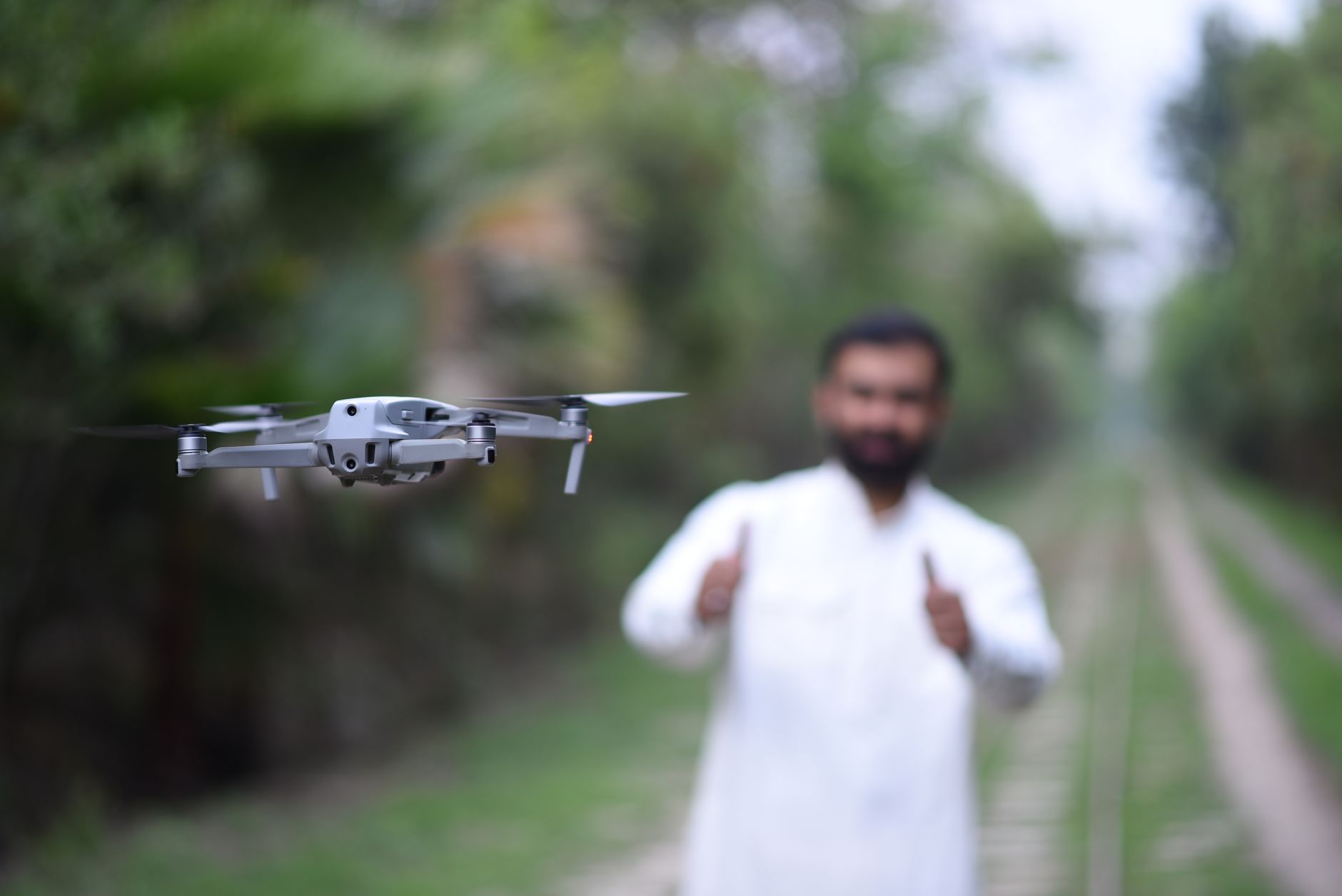
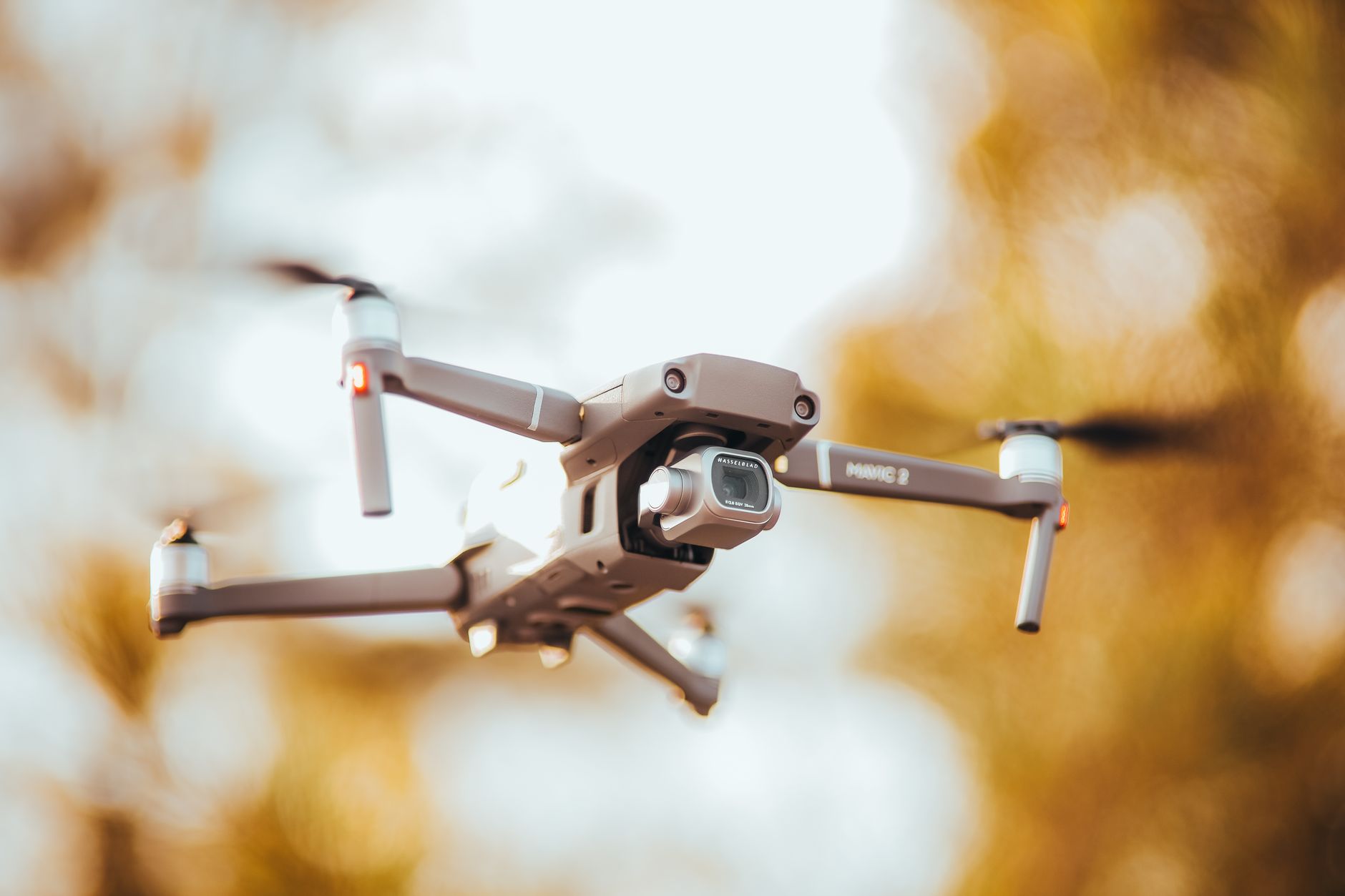
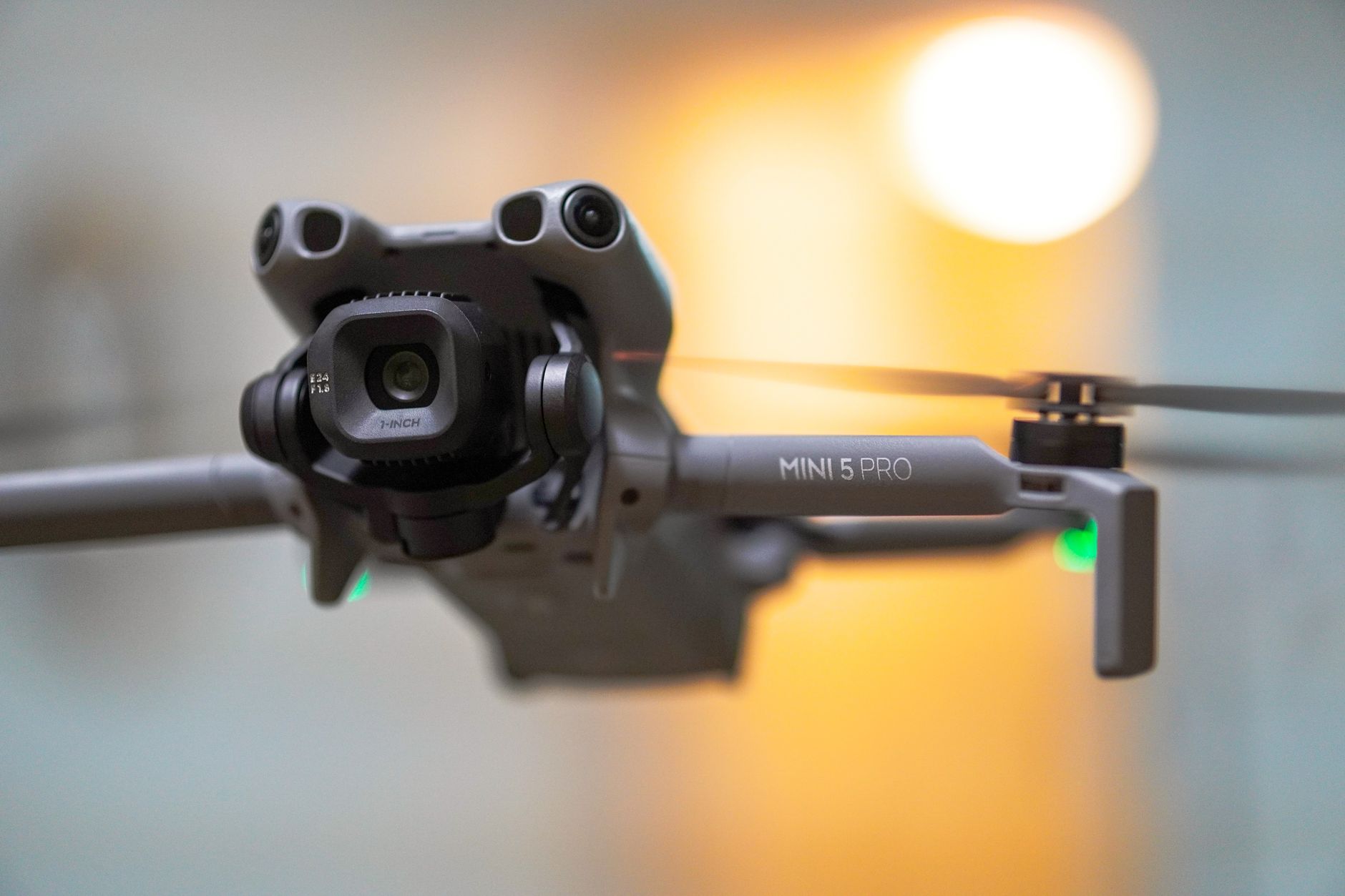
Quick Answer: The Antigravity A1 is a credible sub-250-gram alternative to DJI with no app account gate and advisory-only geofencing. It loses on sensor size, service and spare parts. DJI's Mini 5 Pro still wins the sub-250-gram class, the Air 3S wins paid work, and the HoverAir X1 ProMax wins hands-free follow shots. Shopping for a drone in 2026 usually means deciding how much of your flying life you want to hand to DJI. The company builds excellent aircraft, and its app, firmware and repair network are why most pilots never look elsewhere. A small group of challengers has grown up anyway, and the Antigravity A1 is one of the louder names in that group. It targets the sub-250-gram class that recreational flyers in the United States can fly without registration, the same slot the DJI Mini series owns. If you fly in the US, the FAA’s drone rules decide what that means for you, Remote ID included. Get that part wrong and the best camera in the world will not help you. ...
September 29, 2026 · 15 min · Jarrod Gravison
Photo by Alex Schulgin

DJI Flip vs Mini 4 Pro: Which Compact Drone Should You Buy?

Quick Answer: Buy the DJI Mini 4 Pro for omnidirectional obstacle sensing, 34 minutes of flight time, and 4K at up to 100fps. Buy the DJI Flip if you are new to drones and want built-in propeller guards plus one-tap QuickShots. Both weigh 249 grams, so neither needs FAA registration for recreational flying. Two 249-gram drones from the same factory, and a decision that comes down to how you actually fly. The DJI Flip arrived in 2025 with folding arms, built-in propeller guards, and one-tap automated shots. The DJI Mini 4 Pro landed in 2023 and still leads the sub-250g class on obstacle sensing. Both carry a 1/1.3-inch sensor. Both shoot 4K. Both slip into a jacket pocket and pack into the same small shoulder bag you would take on a hike. Pick the wrong one and you either overspend on features you never touch or give up the safety tech you genuinely need. If you fly often, our best travel drones for 2026 roundup shows where each one fits. ...

September 29, 2026 · 15 min · Jarrod Gravison
Photo by Tahir Osman

Tello Drone Comparison: Which Model or Alternative Wins?

Quick Answer: The Ryze Tello is still the best sub-100-gram beginner drone for learning to fly indoors. It weighs 80 grams, flies 13 minutes per battery, and shoots 5MP photos. If you need 4K video or longer flights, the DJI Mini 4K is the better upgrade, but it costs more and may require registration for commercial use. The Ryze Tello has been the default first drone for years. It weighs 80 grams, flies for about 13 minutes, and shoots 5MP photos. That tiny package makes it legal to fly without FAA registration in the US for recreational use. But the Tello is not the only option anymore. DJI, Holy Stone, and others sell beginner drones with better cameras and longer flight times. This comparison breaks down the Tello lineup and the best alternatives so you can pick the right one. If you are completely new, start with our best drones for beginners guide. Then come back here to see how the Tello stacks up. ...

September 29, 2026 · 12 min · Jarrod Gravison
Photo by Abrar Hashim

Holy Stone Drones Compared: Which Model Should You Buy?

Quick Answer: Holy Stone makes budget camera drones that skip the DJI price tag. The HS720G is the best all-rounder with 4K video and 26 minutes per battery. The HS600 adds a three-axis gimbal at 249 grams. Beginners should start with the HS360S, and kids get the HS210. Check FAA registration rules before your first outdoor flight. Holy Stone has built its reputation on drones that cost a fraction of what DJI charges, and the quality gap has narrowed more than most pilots expect. You will not get the same sensor as a Mavic 4 Pro or the same obstacle avoidance, but you do get GPS position hold, brushless motors, folding arms, and batteries that last long enough to actually learn something. That combination matters when you are still figuring out how to land without breaking a propeller. The trick is picking the right model, because Holy Stone sells everything from thirty-gram toys to 4K camera drones with three-axis gimbals. ...

September 26, 2026 · 14 min · Jarrod Gravison
Photo by Stacey Zinoveva on Unsplash

Drone Repair Options Compared: DIY, DJI Care, or Pro Shop

Quick Answer: For most DJI owners, Care Refresh plus the official repair center is the fastest path after a crash. Non-DJI brands and out-of-warranty birds are usually cheaper at a third-party shop like Drone Nerds. If you can solder and the damage is cosmetic or prop-level, DIY costs the least. Every drone pilot eventually hits the same wall. A gust of wind, a missed obstacle-avoidance cue, or a battery that quits at 12 percent, and suddenly you are holding a quadcopter with a cracked arm and a gimbal that twitches. The repair question comes next, and it does not have one answer. A DJI Mini 4 Pro weighs 249 grams and flies about 34 minutes per battery, which makes it light enough to break props on a hard landing and expensive enough that a cracked shell is not a two-minute fix. Registration follows the aircraft too, and the FAA’s drone rules cover what changes when a repair swaps the airframe. ...

September 23, 2026 · 14 min · Jarrod Gravison
Photo by ArtHouse Studio

Dedrone vs Alternatives: Counter-Drone Systems 2026

Quick Answer: Dedrone is a counter-drone platform, not a drone you can fly. It fuses RF sensors, radar, and cameras to detect and identify nearby drones, then hands the track to security staff. For most fixed sites, DedroneTracker.AI with RF-300 sensors is the pick. Mitigation gear like DedroneDefender is limited to federal agencies and the military in the US. Dedrone is not a drone. It is the thing watching your drone. The company builds airspace security systems that detect, identify, and in some cases stop small unmanned aircraft near airports, prisons, sports venues, and military bases. Dedrone started in Kassel, Germany in 2014, moved its headquarters to the United States, and now sits inside Axon’s airspace security business after the 2025 acquisition. If you searched for Dedrone hoping to find a camera drone with folding arms, you want our best DJI drones compared guide instead. Everything below covers the hardware that sites buy to spot the drones the rest of us fly. ...

September 22, 2026 · 14 min · Jarrod Gravison
Photo by Nenyasha Manzvera

DroneDeploy vs Pix4D vs DJI Terra: Best Mapping Software

Quick Answer: DroneDeploy is the easiest cloud mapping platform for most pilots, but it is not the cheapest or the most precise. Choose Pix4D if you need tight photogrammetry control, DJI Terra if you fly DJI RTK aircraft and want offline processing, Propeller Aero for earthworks, Agisoft Metashape for a one-time license, and Maps Made Easy if you map a few times a year. DroneDeploy is not a drone. It is the software layer that turns flight photos into maps, 3D models, stockpile volumes and progress reports. That distinction matters more than most buyers expect, because the platform you choose dictates which aircraft you can fly and how much of your data sits on someone else’s server. Under the FAA’s Part 107 rules, any paid mapping job in the United States requires a certified remote pilot, and the aircraft has to be registered. Software does not change that. What it changes is how fast you hand a usable orthomosaic to a client after the flight. ...

September 21, 2026 · 15 min · Jarrod Gravison
Photo by Magda Ehlers

Drone Surveying in 2026: 5 Best Mapping Drones Compared

Quick Answer: For most survey teams, the DJI Matrice 4E is the best balance of accuracy, endurance, and cost at 49 minutes per flight. The WingtraOne GEN II wins large-area corridor work, and the Matrice 350 RTK with the Zenmuse L2 is the pick when you need LiDAR through canopy. Budget crews should start with the Mavic 3E. Drone surveying stopped being a novelty for small crews a while ago. In 2026 it is the default way teams capture topographic data on sites under a few hundred hectares. The hardware is what changed. RTK and PPK positioning now ship on aircraft that weigh under a kilo, mechanical shutters are standard on mapping cameras, and a single flight can produce a centimeter-level orthomosaic without a single ground control point. None of that removes the paperwork. The FAA’s drone registration and Remote ID rules still apply to any drone over 250 grams, and commercial mapping almost always falls under Part 107. ...

September 20, 2026 · 13 min · Jarrod Gravison
Photo by Amar  Preciado

Black Hornet Drone Compared: Nano UAVs and Alternatives

Quick Answer: The Black Hornet is a military-grade nano drone weighing about 33 grams with a 2 km range and 25 minutes of flight. Civilian alternatives include the DJI Mini 4 Pro at 249 grams, Autel EVO Nano+ at 249 grams, Hover X1 at 125 grams, and Ryze Tello at 80 grams. Most consumer nano drones fall under FAA and Transport Canada rules. The Black Hornet is not a drone you can buy at a consumer electronics store. It is a military nano UAV built by Teledyne FLIR for soldiers who need eyes in tight spaces. Weighing just 33 grams, it flies for 25 minutes and sends live thermal video back to a handheld controller. That combination of size and capability has made it the benchmark for nano drones. Consumer pilots cannot access that technology. Instead, they look at drones like the DJI Mini 4 Pro, Autel EVO Nano+, and Hover X1. These weigh between 80 and 249 grams and offer cameras, GPS, and app control. The rules for flying them vary by country. In the US, the FAA requires registration for drones over 250 grams. In Canada, Transport Canada has its own set of rules. This article compares the Black Hornet to the best civilian alternatives. ...

September 19, 2026 · 12 min · Jarrod Gravison
Photo by Nenyasha Manzvera

Best Underwater Drones Compared: Chasing vs QYSEA vs BlueROV

Quick Answer: The Chasing M2 Pro is the best all-round underwater drone for most buyers, with eight thrusters, a 150 m depth rating and about four hours of light-use run time. QYSEA's FIFISH V6 Expert wins on 360 degree maneuverability. Blue Robotics' BlueROV2 is the pick for researchers who want open source control and 300 m depth in the Heavy build. Underwater drones do not fly, and that changes almost everything about how you shop for one. A tethered ROV like the Chasing M2 Pro, the QYSEA FIFISH V6 Expert or the BlueROV2 sits below the surface on a cable, runs off a battery pack or a surface power supply, and sends live video up to a laptop or a phone on the boat. There is no flight time in the aviation sense, no airspace class, and no chance of a flyaway. Instead you care about depth rating in meters, run time in minutes, camera sensor size, tether length and how easy the thing is to repair when salt water eventually wins. If you want something that flies, start with our best drones for beginners guide instead. ...

September 17, 2026 · 14 min · Jarrod Gravison
Photo by Eric Santoyo

Military Drones Compared: Black Hornet to MQ-9 Reaper

Quick Answer: Military drones trade cost and complexity for endurance and range. The 33 gram Black Hornet flies 25 minutes and fits in a pocket. The MQ-9 Reaper stays up 27 hours and reaches 50,000 feet. For civilians, the DJI Mavic 3T covers similar inspection work with a 640 by 512 thermal sensor and 45 minutes of flight time. Military drone specs read like science fiction, and the numbers climb fast. A Black Hornet weighs about as much as two AA batteries. The MQ-9 Reaper carries a 20 meter wingspan and stays airborne for 27 hours. Somewhere in between sits every consumer drone you can actually buy. That gap is why this comparison exists. If you fly a Mavic for roof inspections or chase freestyle lines with a 5 inch quad, you are using hardware that traces back to military programs. The same flight controllers, the same lithium packs, the same video links. Knowing where the tech came from makes you a better pilot. It also makes the marketing claims easier to judge. ...

September 17, 2026 · 17 min · Jarrod Gravison
Photo by Pok Rie

Drone Meaning Explained: 5 Types of Drones Compared

Quick Answer: A drone is any aircraft that flies without a pilot on board. For buyers, the useful split is five types: camera drones for photos, FPV drones for immersive flying, beginner drones for learning, thermal drones for inspections, and waterproof fishing drones for payload drops. Weight, sensor size, and flight time separate them far more than brand does. A drone is any aircraft that flies without a person sitting inside it. That is the whole definition. Everything else, the number of rotors, the camera, the price, is a detail layered on top. The FAA uses a clunkier term for the same idea: small unmanned aircraft system, or sUAS. In everyday conversation, drone means a battery-powered quadcopter you launch from a driveway, a field, or a boat deck. That single word covers a 135-gram palm-sized toy and a 1,063-gram cinema rig that costs more than a used car. Because the word is so broad, shopping is confusing until you split the category into types. Most first-time buyers overspend on the wrong type. If you are just starting out, our guide to the best drones for beginners is the fastest way to narrow the field. ...

September 17, 2026 · 14 min · Jarrod Gravison
Photo by Pok Rie

Amazon Drone Delivery vs Wing, Zipline, and Flytrex 2026

Quick Answer: Amazon drone delivery is live in a small number of US metros through Prime Air, with packages up to 5 pounds (2.3 kg) delivered in under an hour by the MK30 drone. Wing, Zipline, and Flytrex run similar services in other cities. If none of them cover your address, a 249 g camera drone like the DJI Mini 5 Pro is the practical alternative. Amazon drone delivery stopped being a demo in 2022. Prime Air now drops packages in a handful of US metros, including College Station, Texas and the Phoenix area, using the MK30 drone that carries up to 5 pounds (2.3 kg) and flies in light rain. Amazon has said it wants hundreds of cities by the end of the decade, and the FAA’s proposed Part 108 rule would make routine beyond-visual-line-of-sight flying normal instead of exceptional. That matters to you for two reasons. You may soon be able to order a phone charger and have it land in your yard within the hour. The same rules also decide what you can legally do with the drone already sitting in your closet. The FAA’s drone rules cover registration, Remote ID, and Part 107, and they apply whether you fly for Amazon or for fun. ...

September 15, 2026 · 14 min · Jarrod Gravison
Photo by Paul Pulimoottil

Drone Definition: 5 Drone Types Compared for Buyers

Quick Answer: A drone is any aircraft flown without a human pilot on board. In practice, the term covers toy quads under 250 grams, camera drones with gimbal sensors, FPV racers, heavy commercial rigs, and fixed-wing mappers. Weight, flight time, and mission define which rules and prices apply. A drone is an uncrewed aircraft flown without a human pilot on board. The FAA’s drone registration rules call these uncrewed aircraft systems, or UAS. That definition includes everything from a 20-gram toy that hovers over a kitchen table to a 9.2-kilogram commercial platform carrying a thermal camera. Weight matters because it changes how you register and fly. Drones under 250 grams face fewer registration rules for recreational use in the United States. Once you cross that threshold, Remote ID and Part 107 requirements may apply. Transport Canada uses a similar definition but separates basic and advanced operations. Before you buy, check our drone laws in the USA to see what registration you will need. ...

September 14, 2026 · 11 min · Jarrod Gravison
Photo by ArtHouse Studio

5 Best Drones for Deer Recovery in 2026 (Thermal Picks)

Quick Answer: The DJI Mavic 3 Thermal is the best overall drone for deer recovery in 2026. It offers a 640x512 thermal sensor, 45-minute flight time, and compact 920-gram airframe. The Autel EVO II Dual 640T is a strong budget alternative. Always check FAA drone rules before flying. Drone deer recovery has become a practical tool for hunters, guides, and search teams across North America. A thermal camera helps because a downed deer’s body heat stands out against cool grass, brush, or snow, even after sunset. In 2026, the best recovery drones pair a 640x512 thermal sensor with 40 to 45 minutes of flight time and a folding airframe that fits in a hunting pack. The FAA’s drone rules apply to any model over 250 grams, so registration and Remote ID are mandatory. If you fly for a guide service or any compensation, you need a Part 107 certificate. Start with our best drones for beginners guide if you are new to thermal payloads. ...

September 12, 2026 · 11 min · Jarrod Gravison
Photo by Alex Schulgin

DJI Mini 4K vs Budget Drones: Which Entry-Level Model Wins?

Quick Answer: The DJI Mini 4K wins on camera stability, app polish, and range, while budget drones like the Potensic Atom SE save money but still record 4K. New pilots who want the smoothest first-drone experience should choose the Mini 4K. Shoppers on a tight budget should try a sub-$250 GPS drone first. Entry-level camera drones used to mean 720p video, no GPS, and a prayer that the wind would not take your aircraft. That has changed. The DJI Mini 4K now shoots 4K at 30fps on a 1/2.3-inch CMOS sensor, weighs under 249 g, and flies for up to 31 minutes. At the same time, budget models from Potensic, Holy Stone, and Ryze have closed the gap on price, if not always on polish. Before you buy, check our drone laws in the USA and remember the FAA’s drone rules apply to any drone over 250 grams. ...

September 12, 2026 · 11 min · Jarrod Gravison
Photo by Rogerio Ertner Almeida

Best Drones That Follow You in 2026: 5 Models Tested

Quick Answer: The DJI Mini 4 Pro is the best all-around follow-me drone for most people. It weighs 249 grams, flies up to 34 minutes, and tracks subjects with omnidirectional obstacle sensing. Budget buyers should look at the DJI Neo. The Skydio 2+ tracks better in trees and tight spaces, but it costs far more. Follow-me drones used to be expensive tools for action sports teams. Today a $199 drone can lock onto a cyclist, a hiker, or a vehicle and film hands-free. The best models now combine visual tracking, GPS position hold, and obstacle sensors that keep the aircraft from clipping branches. That matters for solo creators who cannot fly and film at the same time. Before you buy any model, check the drone laws in the USA because the FAA’s drone registration rules apply to any drone over 250 grams. Staying legal is easier when you know the weight class you are shopping in. ...

September 10, 2026 · 11 min · Jarrod Gravison
Photo by Alan Kabeš

GetFPV Compared: Best FPV Drones and Kits for 2026

Quick Answer: GetFPV is a major FPV retailer. Beginners should pick BetaFPV Cetus Pro or EMAX Tinyhawk III. Experienced pilots should look at iFlight Nazgul5 V3 or DJI FPV. Check [drone laws in the USA](/articles/drone-laws-usa/) before flying over 250 grams. GetFPV has become one of the go-to shops for FPV pilots in North America. The store stocks ready-to-fly kits, frames, flight controllers, motors, and the small parts that break when you crash. FPV flying is different from GPS camera drones. You fly in manual mode with goggles and no stabilization. That means the learning curve is real, and your first drone choice matters. If you are new to the hobby, our guide to best FPV drones explains the main styles and what to expect. The FAA’s drone rules still apply to FPV aircraft over 250 grams, so registration and Remote ID may be required. ...

September 9, 2026 · 11 min · Jarrod Gravison
Drone Insurance Guide 2026: Do You Really Need It?

Drone Insurance Guide 2026: Do You Really Need It?

Quick Answer: Most recreational drone pilots in the United States are not legally required to carry insurance. The FAA does not mandate it. But a single crash can cost $400 to $1,800 or more. Commercial pilots often need liability coverage for client contracts. In Canada, basic operations do not require insurance, but advanced work often does. A basic policy starts around $5 to $15 per month. Drone insurance is not as simple as car insurance. Many new pilots assume their homeowners or renters policy covers drone crashes. That assumption often fails when you file a claim. In 2026, drones are smarter, lighter, and more common. They also crash in more expensive ways. A gimbal repair, a flyaway, or a damaged third-party roof can cost more than the drone itself. This guide explains when coverage makes sense. It also covers the rules from the FAA and Transport Canada. You will learn what to look for before you fly. ...

August 13, 2026 · 10 min · Jarrod Gravison
Best Agricultural Drones for Crop Spraying in 2026

Best Agricultural Drones for Crop Spraying in 2026

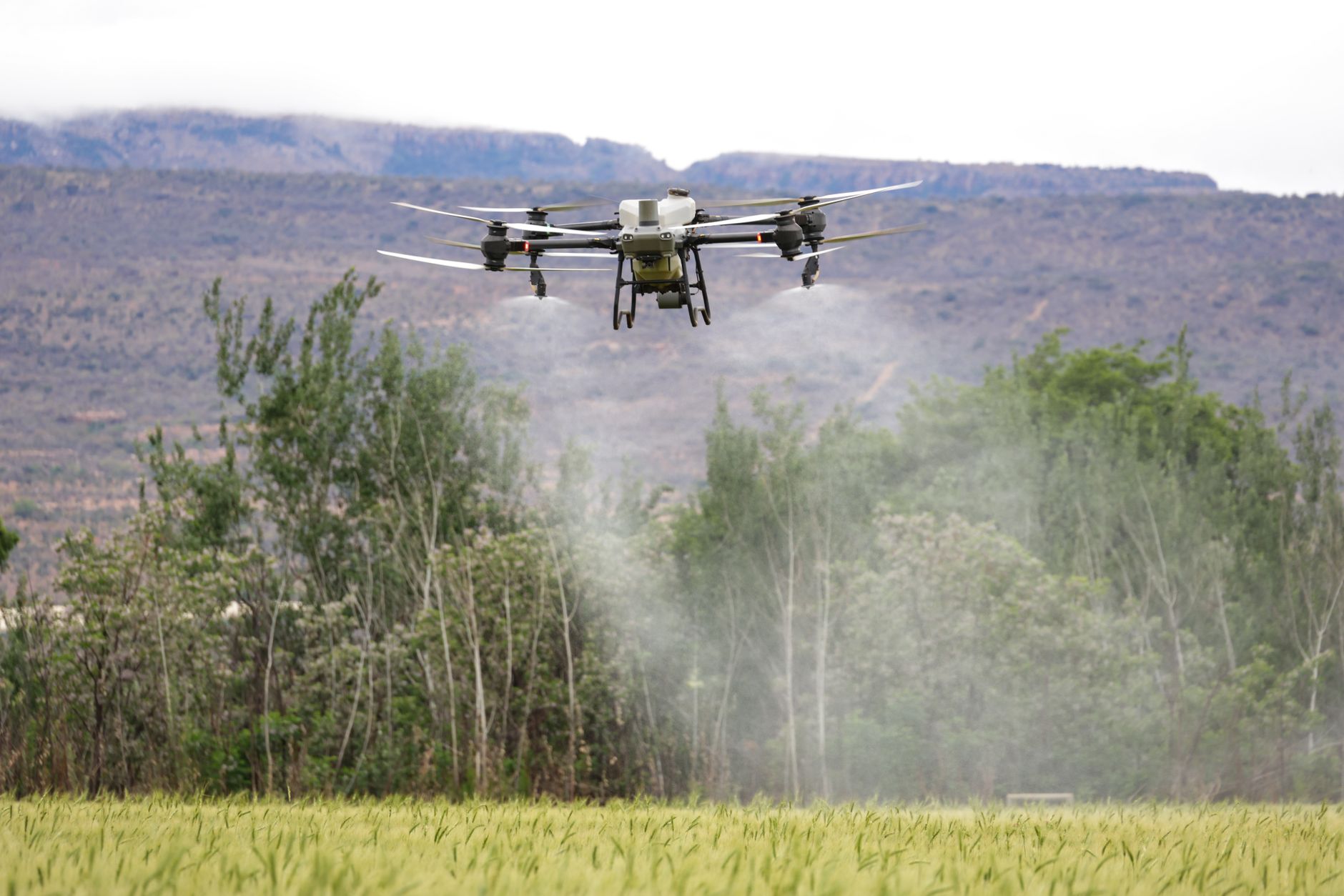
Quick Answer: The DJI Agras T50 and XAG P100 Pro lead the 2026 crop spraying class. Most commercial operators need an FAA Part 107 certificate and registration for spray drones over 55 pounds. Expect 10 to 40 liters of tank capacity, 9 to 18 minutes of heavy-lift flight time, and 10 to 20 acres covered per hour. Crop spraying drones have moved from demo plots to daily farm work. In 2026, a 40-liter spray drone can cover 15 to 20 acres per hour, which beats a backpack sprayer by a wide margin. The catch is that these are not weekend drones. Under FAA’s drone rules, commercial spraying operations require a Part 107 remote pilot certificate, and most agricultural spray drones need FAA registration because they exceed 55 pounds. Some states also require an agricultural aircraft operator certificate. Before spending $20,000 or more, check drone laws in the USA to understand your operating limits. ...

August 13, 2026 · 10 min · Jarrod Gravison
How to Get a Drone License in 2026: FAA Part 107 + Transport Canada

How to Get a Drone License in 2026: FAA Part 107 + Transport Canada

Quick Answer: For U.S. flyers, pass the FAA Part 107 knowledge test and complete TSA background checks to get a Remote Pilot Certificate. For Canadian flyers, pass the Small Basic or Advanced exam through Transport Canada. Both countries require a registered drone for most operations. Commercial work always needs the correct certificate before paid flights. Getting a drone license in 2026 depends on where and how you fly. In the United States, the FAA oversees most airspace. Commercial pilots need a Part 107 Remote Pilot Certificate. In Canada, Transport Canada issues a Pilot Certificate for Basic or Advanced Operations. Both countries have changed small drone rules in recent years. Drone laws USA covers U.S. specifics. Drone laws Canada covers Canadian rules. You must understand local requirements before you book an exam. Do not assume a small drone is exempt from every rule. ...

August 13, 2026 · 10 min · Jarrod Gravison
How to Fly a Drone: Complete Beginner Flight Tutorial

How to Fly a Drone: Complete Beginner Flight Tutorial

Quick Answer: Start with a sub-250g drone in a wide open space. Register if required, complete a free safety test, and practice basic hover, yaw, and landing drills at low altitude. Most beginners gain confident control after 5 to 10 battery cycles of structured practice. Learning to fly a drone feels intimidating at first. My first takeoff ended with a wobble and a quick landing. But after a few structured sessions, the controls became natural. This guide walks you through your first flight and the drills that build real confidence. Start with a model from our best drones for beginners list. A lightweight, stable drone reduces stress and repair costs. Many beginner models include propeller guards and one-key return features. The FAA treats drones under 250 grams as recreational aircraft with fewer restrictions. Still, you must follow airspace rules. Check your country’s rules before you charge a battery. ...

August 13, 2026 · 10 min · Jarrod Gravison
How to Edit Drone Photos: Color Grading, Stitching, and Post-Processing Guide

How to Edit Drone Photos: Color Grading, Stitching, and Post-Processing Guide

Quick Answer: Start by importing RAW files into Lightroom. Do lens corrections, adjust exposure and white balance. Color grade with tone curves and HSL. Stitch panoramas in Photoshop or PTGui. Sharpen selectively and export at full resolution. Always check drone regulations like FAA registration before flying for photography. Drone photography captures perspectives that ground cameras cannot. You press the shutter on a DJI Mini 5 Pro or another aerial platform. That file holds rich data, but it rarely looks finished straight from the sensor. Post-processing turns flat RAW captures into polished images. This guide walks through color grading, stitching, and cleanup steps. Many drone cameras produce DNG files with 10-bit color. That gives you room to push shadows and recover highlights. The best drones for aerial photography offer larger sensors, but even budget models benefit from careful edits. ...

August 13, 2026 · 7 min · Jarrod Gravison
Drone Laws in the USA 2026: FAA Part 107, Remote ID & TRUST

Drone Laws in the USA 2026: FAA Part 107, Remote ID & TRUST

Quick Answer: Most U.S. drone flights in 2026 follow either recreational rules or Part 107 commercial rules. Recreational pilots must pass the free TRUST test and fly a registered drone. Commercial pilots need a Remote Pilot Certificate. Remote ID is required for nearly all drones over 0.55 pounds. The FAA drone system has grown fast. In 2025, the agency counted more than one million registered drones in the United States. That number keeps climbing as compact models like the DJI Mini 5 Pro make flying easier. But every new pilot enters a web of rules. You cannot simply charge a battery and launch from your backyard. The rules split into two broad paths: recreational and commercial. Your first job is to know which path applies to your flight. The FAA updates guidance each year. Canada has a separate set of rules through Transport Canada. For U.S. pilots, the core framework stays stable in 2026. ...

August 13, 2026 · 9 min · Jarrod Gravison