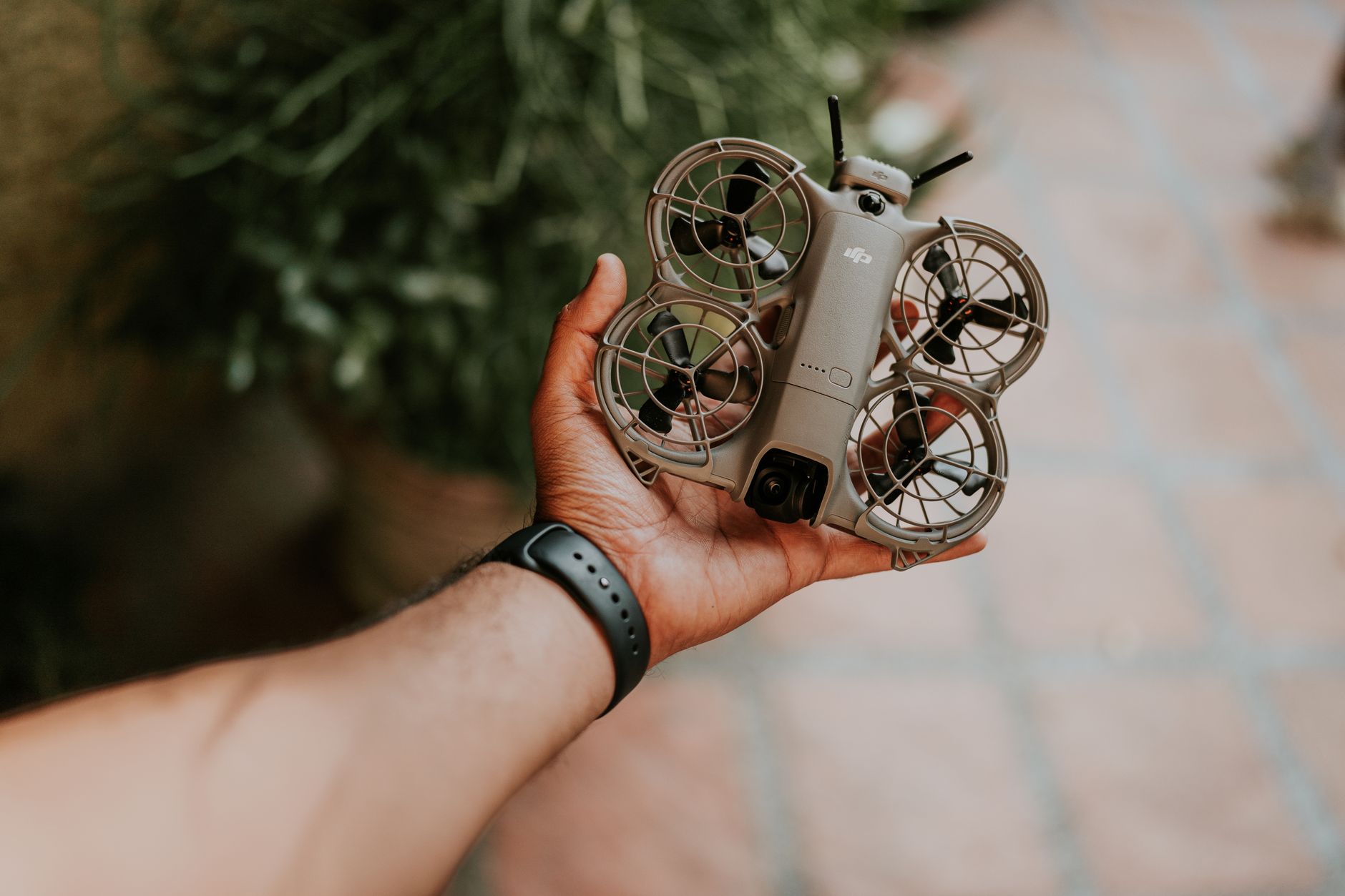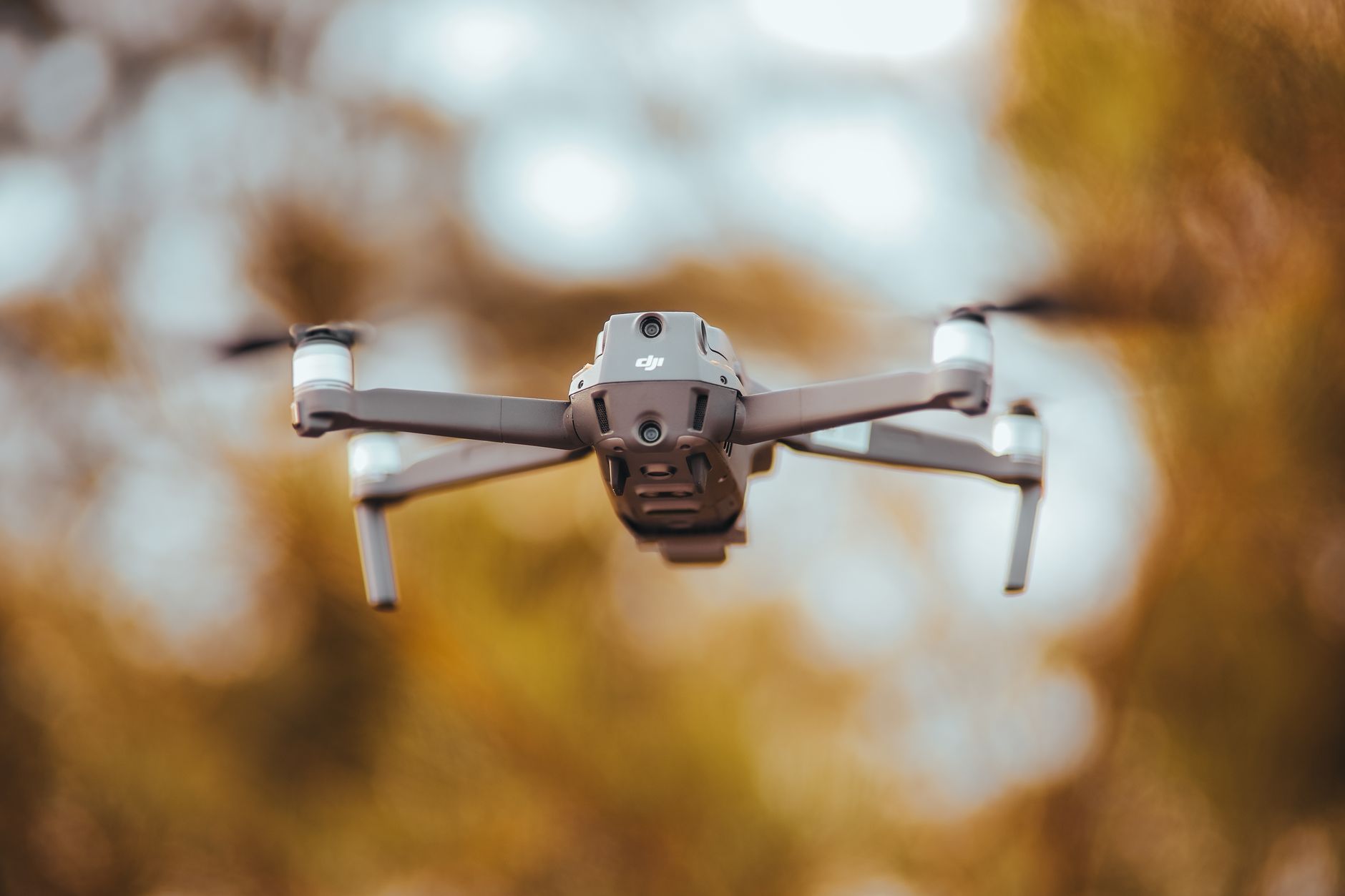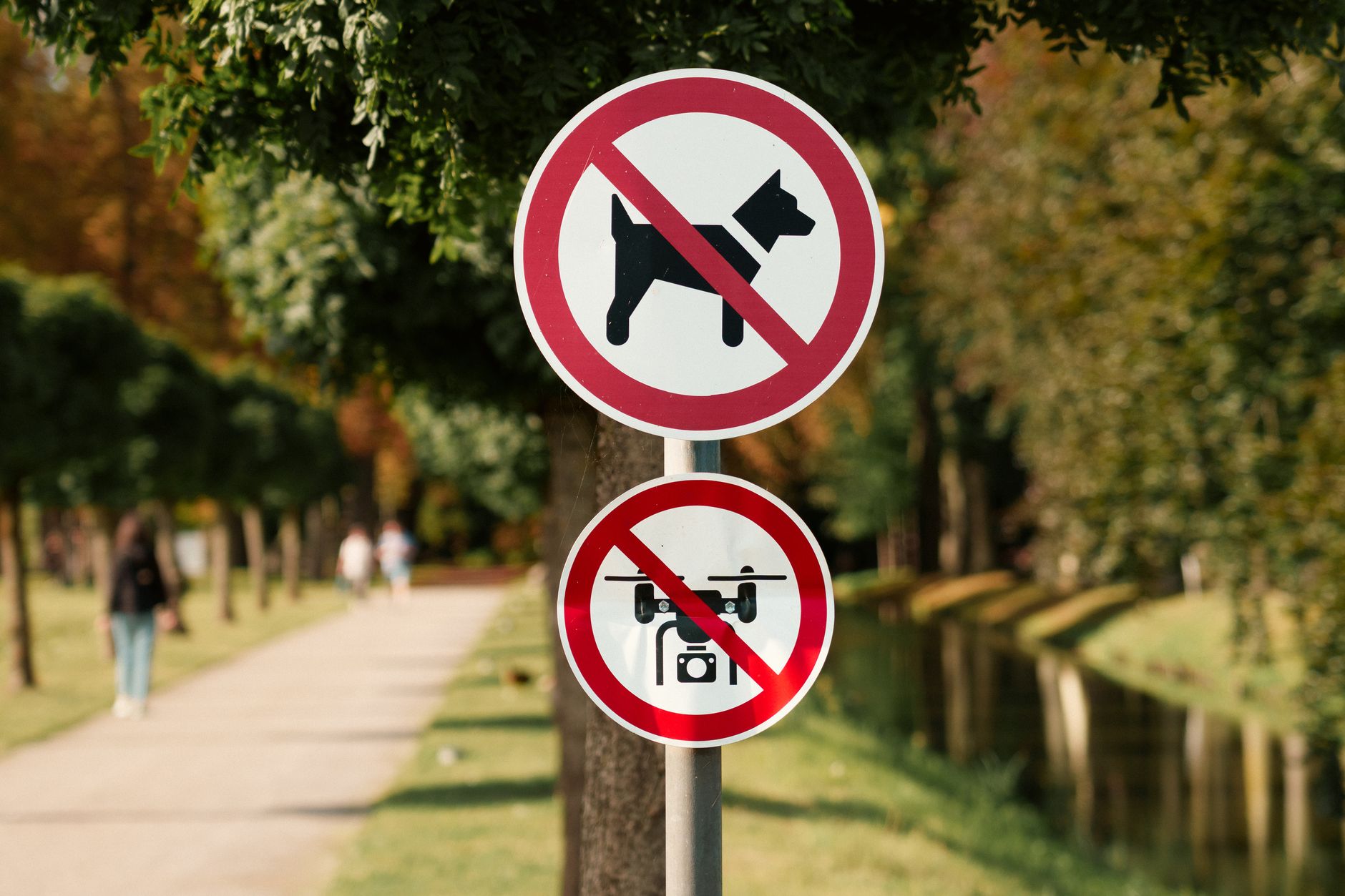
A drone is an uncrewed aircraft flown without a human pilot on board. The FAA’s drone registration rules call these uncrewed aircraft systems, or UAS. That definition includes everything from a 20-gram toy that hovers over a kitchen table to a 9.2-kilogram commercial platform carrying a thermal camera. Weight matters because it changes how you register and fly. Drones under 250 grams face fewer registration rules for recreational use in the United States. Once you cross that threshold, Remote ID and Part 107 requirements may apply. Transport Canada uses a similar definition but separates basic and advanced operations. Before you buy, check our drone laws in the USA to see what registration you will need.
Buyers often ask what makes a drone a drone. The practical answer is any powered aircraft that can hover, take off, and land without a pilot inside. This guide sorts the broad definition into five categories you will actually see in stores. Toy drones, camera drones, FPV drones, commercial platforms, and fixed-wing craft all fit the same legal term but serve very different jobs. A 35-minute camera drone for real estate shoots 4K video with a one-inch sensor. A fixed-wing mapping drone may fly for two hours and cover 40 kilometers of coastline. For our full camera picks, read best drones for aerial photography.
We use spec sheets, FAA guidance, and real flight testing to compare these definitions. Price, weight, flight time, and camera sensor size change the buying decision quickly. A toy drone that costs $40 and flies for 7 minutes is not a worse camera drone. It is a different category with a different mission. We also check Transport Canada drone safety rules because Canadian buyers face different registration and licensing standards. Some regulators treat drones by maximum takeoff weight. Others treat them by operation type. The FAA does both. Part 107 commercial operations apply when you fly for money, no matter the drone size. See how to get your drone license for the commercial route.
Choosing a definition by use case prevents expensive mistakes. Beginners should start with an indoor toy or a sub-250-gram camera drone, not a 9-kilogram commercial rig. Our best drones for beginners list covers that path. If you want immersive first-person flight, read best FPV drones before buying goggles and a controller. DJI publishes flagship specs at DJI’s official site. We will not tell you that one category is best. We will show you what each definition actually means in the field.
How Do the Top Options Compare?
| Type | Best For | Typical Weight | Flight Time | Price |
|---|---|---|---|---|
| Toy drones | Kids and indoor fun | Under 250 g | 5-12 min | Check price |
| Camera drones | Aerial photo and video | 249-900 g | 20-45 min | Check price |
| FPV drones | Racing and freestyle | 250-500 g | 4-8 min | Check price |
| Commercial drones | Mapping and inspection | 2-9 kg | 30-55 min | Check price |
| Fixed-wing drones | Long-range survey | 2-5 kg | 60-120 min | Check price |
Prices are starting ranges and change with battery bundles, sensors, and controllers. FAA registration and Remote ID apply above 250 grams or for commercial work.
1. Toy Drones , Kids and indoor first flights
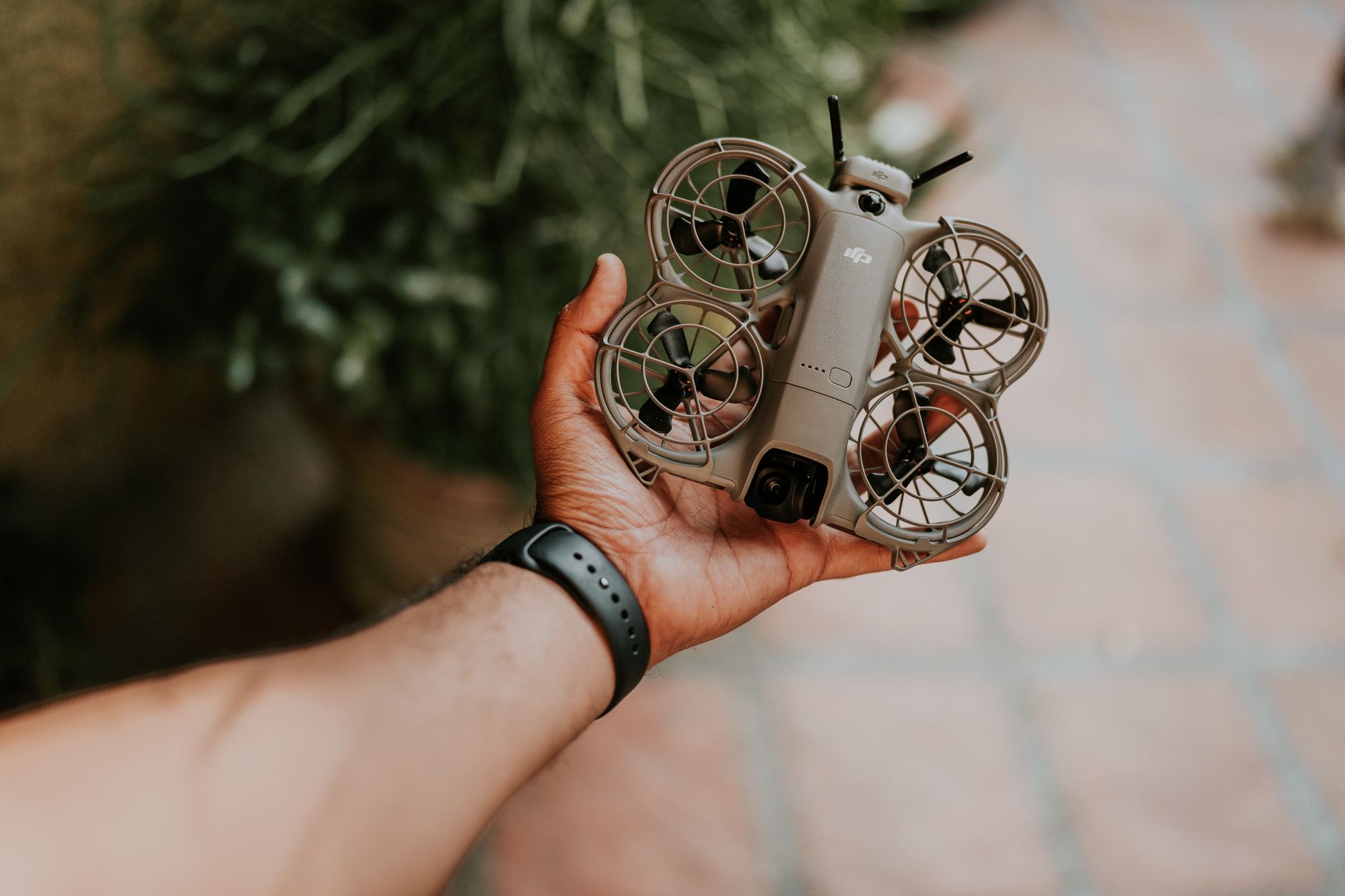
Toy drones define the entry point. They usually weigh under 100 grams, cost between $20 and $150, and fly for 5 to 12 minutes on a tiny 1S battery. Most have no GPS, no Return to Home, and no gimbal. You fly them with a basic controller or a phone app. They crash well, which matters more than camera specs at this level. Check our best drones for kids for models that survive repeated hits.
Because most toy drones stay below 250 grams, you skip FAA registration for recreational flights in the US. You must still follow community-based safety rules. In Canada, sub-250-gram drones also avoid registration, but you cannot fly recklessly. A toy drone with no GPS drifts outdoors in even light wind. Keep it inside or fly on calm days. These models teach throttle, yaw, pitch, and roll before you spend real money.
Payload and camera quality are almost nonexistent. A 720p camera may be the best you get below $100. That is fine for a first hover test. Do not expect smooth footage. If you want a drone for cinematic work, a toy drone is the wrong definition.
Key strengths:
- ✅ Cheap to buy and repair
- ✅ Skip FAA registration under 250 grams
- ✅ Good for learning basic controls
- ✅ Low crash risk indoors
- ❌ No GPS or return to home
- ❌ Batteries last only 5 to 12 minutes
- ❌ Cannot handle outdoor wind
Who it’s for: Choose a toy drone if you want a low-risk indoor trainer for yourself or a child.
2. Camera Drones , Aerial photography and video
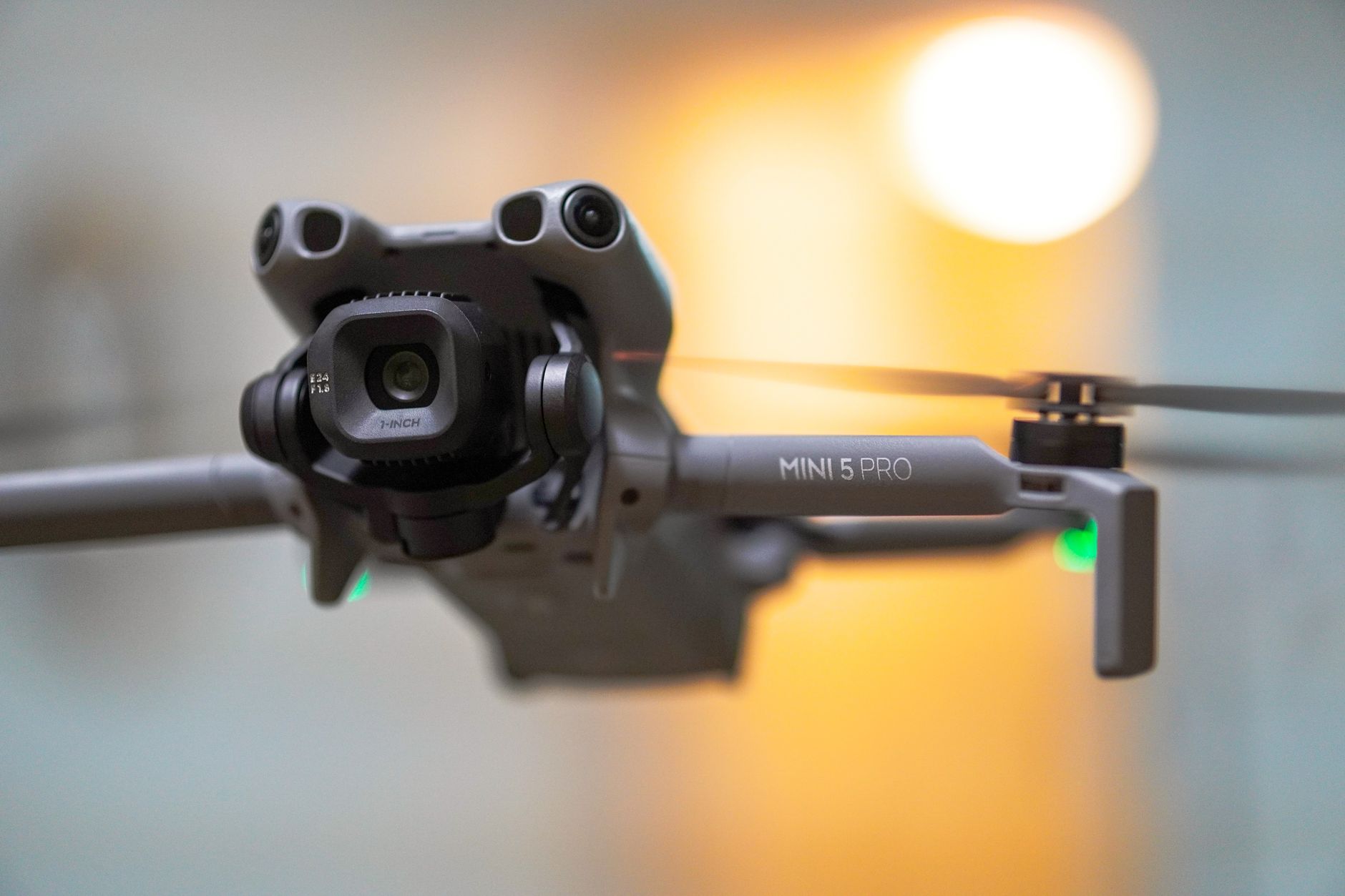
Camera drones are what most people picture when they hear the word drone. They carry a gimbal-stabilized camera, a GPS module, and obstacle sensors. A popular example is the DJI Mini 5 Pro, which weighs 249 grams and flies for about 34 minutes. Its camera uses a 1/1.3-inch sensor and shoots 4K at 60fps. That combination keeps it under the FAA registration weight while still producing crisp stills. Check the DJI Mini 5 Pro on Amazon for current pricing. Read our DJI Mini 5 Pro review for the full spec breakdown.
These drones prioritize smooth footage over raw speed. Flight times range from 20 minutes on older models to 45 minutes on premium units like the DJI Mavic 3. Sensors range from 1/2-inch to Four Thirds. The larger the sensor, the better the low-light performance. You pay for that. Budget models start near $300, while pro models cross $2,000. For our top photo picks, see best drones for aerial photography.
Registration and Remote ID matter here. If your camera drone weighs 249 grams or less, recreational registration is not required in the US. Add a heavier battery or payload, and you cross into registered territory. Canadian rules also hinge on weight and operation. This category is the best starting point for real estate, travel, and Instagram work.
Key strengths:
- ✅ Stabilized gimbal for smooth video
- ✅ Strong flight time of 20 to 45 minutes
- ✅ Sub-250-gram options reduce regulation
- ✅ Good obstacle sensing on newer models
- ❌ Pricier than toy drones
- ❌ Wind can still push smaller models
- ❌ Software features vary by brand
Who it’s for: Choose a camera drone if you want smooth, shareable aerial footage without building a custom craft.
3. FPV Drones , Racing and freestyle flying
FPV stands for first-person view. These drones send a low-latency video feed to goggles, so you fly from the cockpit instead of watching the craft from the ground. Flight times are short. A 6S freestyle build may drain a battery in 4 to 8 minutes. That is normal for this category. Range depends on the video system, but digital setups can hold a signal for 2 to 10 kilometers in clear air. Our best FPV drones guide breaks down ready-to-fly and bind-and-fly kits.
FPV pilots define drones by feel. A 250-gram 5-inch quad feels locked in for freestyle tricks. A 3-inch cinewhoop is safer for indoor shoots. You will crash often. Spare props, frames, and batteries are not optional. Check best drone accessories for the gear you will actually need after the first weekend.
Many FPV drones weigh between 250 and 500 grams, which means FAA registration and Remote ID apply. In Canada, the same weight range usually puts you into basic operations. FPV flying also requires a visual observer if you fly with goggles in some jurisdictions. The learning curve is steeper than camera drones. Start in a simulator before you arm a real quad.
Key strengths:
- ✅ Immersive goggle view
- ✅ Fast and agile for racing
- ✅ Custom builds allow upgrades
- ✅ Digital video systems offer long ranges
- ❌ Very short flight times
- ❌ Steep learning curve
- ❌ Crashes require frequent repairs
Who it’s for: Choose an FPV drone if you want speed, immersion, and hands-on building or tuning.
4. Commercial Drones , Inspection, mapping, and public safety

Commercial drones cover the heavy end of the definition. They carry thermal sensors, LiDAR, multispectral cameras, or delivery payloads. A DJI Matrice 350 RTK weighs about 9.2 kilograms and flies up to 55 minutes with a payload. Prices start around $10,000 and climb fast. That is a tool, not a toy. To fly one for paid work in the US, you need a Part 107 remote pilot certificate. We explain the process in how to get your drone license.
These platforms serve energy, agriculture, search and rescue, and construction. A thermal drone can detect a hot spot on a solar panel at 100 meters. A mapping payload can survey 60 hectares per flight. The FAA views these operations as commercial UAS use, even if you are not charging a client. Always check drone laws in the USA before scheduling a job.
Battery logistics change at this size. A Matrice battery pair costs more than many camera drones. Transport cases are required, not optional. If you are comparing this category to a hobby drone, compare payload capacity and ingress protection, not just flight time. For thermal-specific options, see best thermal drones.
Key strengths:
- ✅ Carries heavy professional sensors
- ✅ Long payload-specific flight times
- ✅ Built for commercial workflows
- ✅ Thermal and LiDAR support
- ❌ Very expensive
- ❌ Requires Part 107 or advanced Canadian certificate
- ❌ Heavy logistics for transport and charging
Who it’s for: Choose a commercial drone if you need certified data collection for paying clients.
5. Fixed-Wing Drones , Long-range mapping and agriculture
Fixed-wing drones look like small airplanes. They generate lift from a wing instead of four spinning rotors. That efficiency pays off in flight time. A mapping fixed-wing can stay airborne for 60 to 120 minutes and cover 40 kilometers in a single mission. The tradeoff is landing. Most need a clear runway, a bungee launch, or a belly landing strip. Read drone battery care guide because these large lithium packs need careful storage.
These drones are not for first-time pilots. You cannot hover to recover a mistake. A beginner who pushes the stick the wrong way stalls the wing. Fixed-wing platforms usually carry a survey camera or LiDAR pod, not a gimbal for cinematic video. That makes them ideal for agricultural mapping, coastal surveys, and pipeline inspection.
Canadian operators often use fixed-wing drones under Transport Canada’s advanced operations because of the long control distances. US operators flying these for business must follow Part 107. A typical mapping setup weighs 2 to 5 kilograms, so registration is mandatory. If your mission is covering long linear distances, this is the right definition. If you want to hover over a wedding, it is not.
Key strengths:
- ✅ Flight times of 60 to 120 minutes
- ✅ Covers long distances efficiently
- ✅ Strong payload for mapping sensors
- ✅ Stable in straight-line surveys
- ❌ Cannot hover
- ❌ Requires launch and landing space
- ❌ Harder for beginners to fly
Who it’s for: Choose a fixed-wing drone if you map large areas and can handle airplane-style landings.
Frequently Asked Questions
What is the legal definition of a drone?
The FAA calls a drone an uncrewed aircraft system, or UAS. It is an aircraft operated without a human pilot on board. The same term covers toy quads, camera drones, and heavy commercial platforms.
Do I need to register a drone under 250 grams?
In the United States, recreational flyers do not need to register a drone that weighs less than 250 grams. You must still pass the FAA TRUST test and follow recreational safety rules. Commercial operations require registration regardless of weight.
What is the difference between a drone, UAV, and UAS?
UAV stands for unmanned aerial vehicle and usually refers to the aircraft itself. UAS stands for unmanned aircraft system and includes the ground controller, data link, and aircraft. Drone is the common term for both.
Which type of drone should a beginner buy?
Most beginners should start with a sub-250-gram camera drone or an indoor toy drone. A camera drone with GPS and obstacle sensors is easier to fly. Avoid FPV and fixed-wing models until you master basic controls.
Can I fly a camera drone for paid work without a license?
No. In the US, paid drone work requires a Part 107 remote pilot certificate. In Canada, you need a drone pilot certificate for basic or advanced operations depending on the flight and drone weight.
Why do FPV drones have such short flight times?
FPV drones prioritize speed and agility over efficiency. High-drain batteries, powerful motors, and aggressive flying drain a pack in 4 to 8 minutes. Pilots carry several batteries per session.
What Should You Remember?
- Drone definition: any aircraft flown without a human pilot on board, from toy quads to fixed-wing mappers.
- Weight matters: sub-250-gram drones skip US recreational registration but still require TRUST.
- Camera drones: the best starting point for aerial photo and video buyers.
- FPV drones: immersive, fast, and short on flight time.
- Commercial drones: heavy payload tools that require Part 107 or advanced Canadian certification.
- Fixed-wing drones: efficiency champions for long-range mapping but cannot hover.
This article is for general information only. Drone regulations vary by region and change frequently , always verify current local laws and airspace rules before flying.