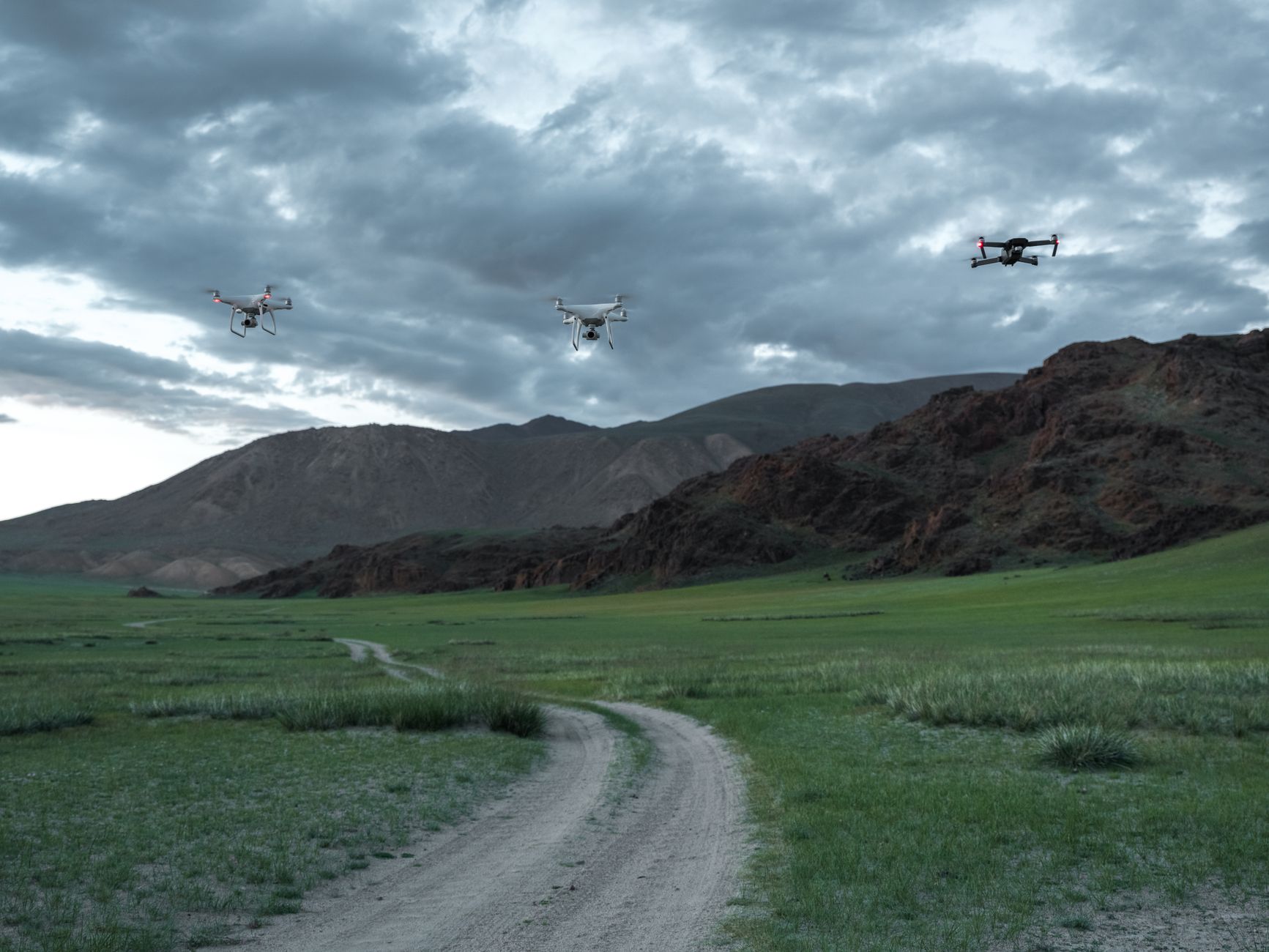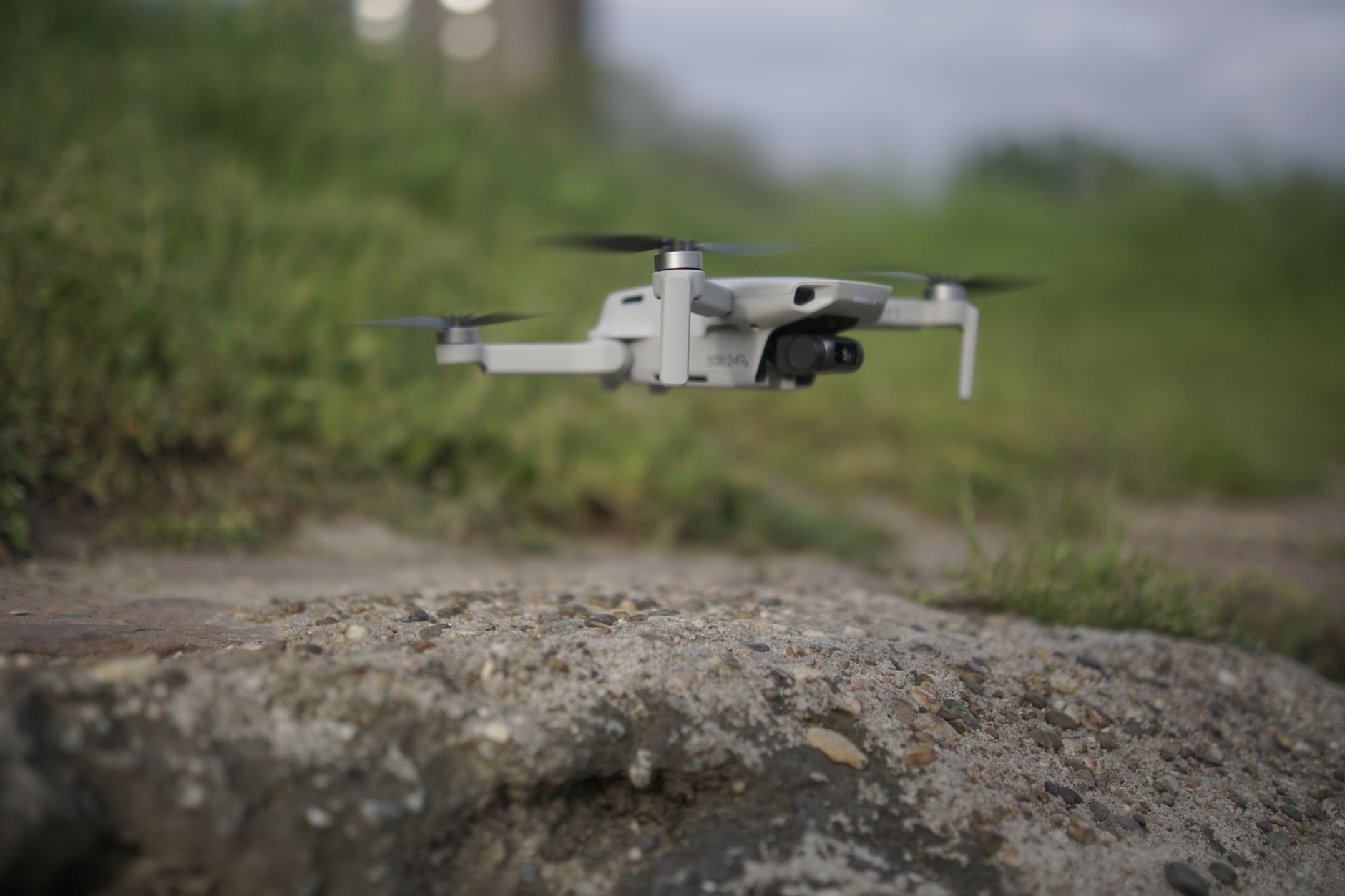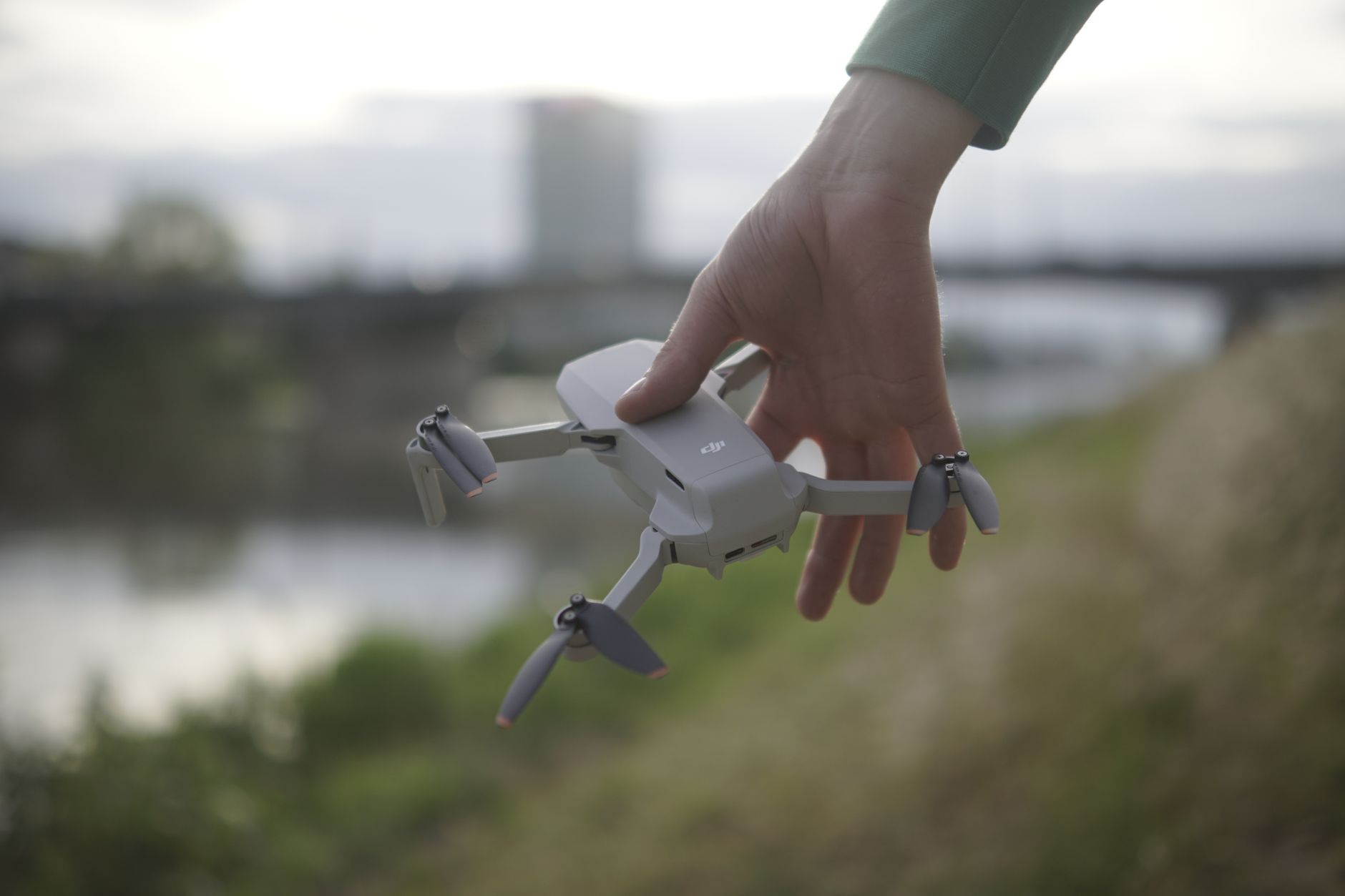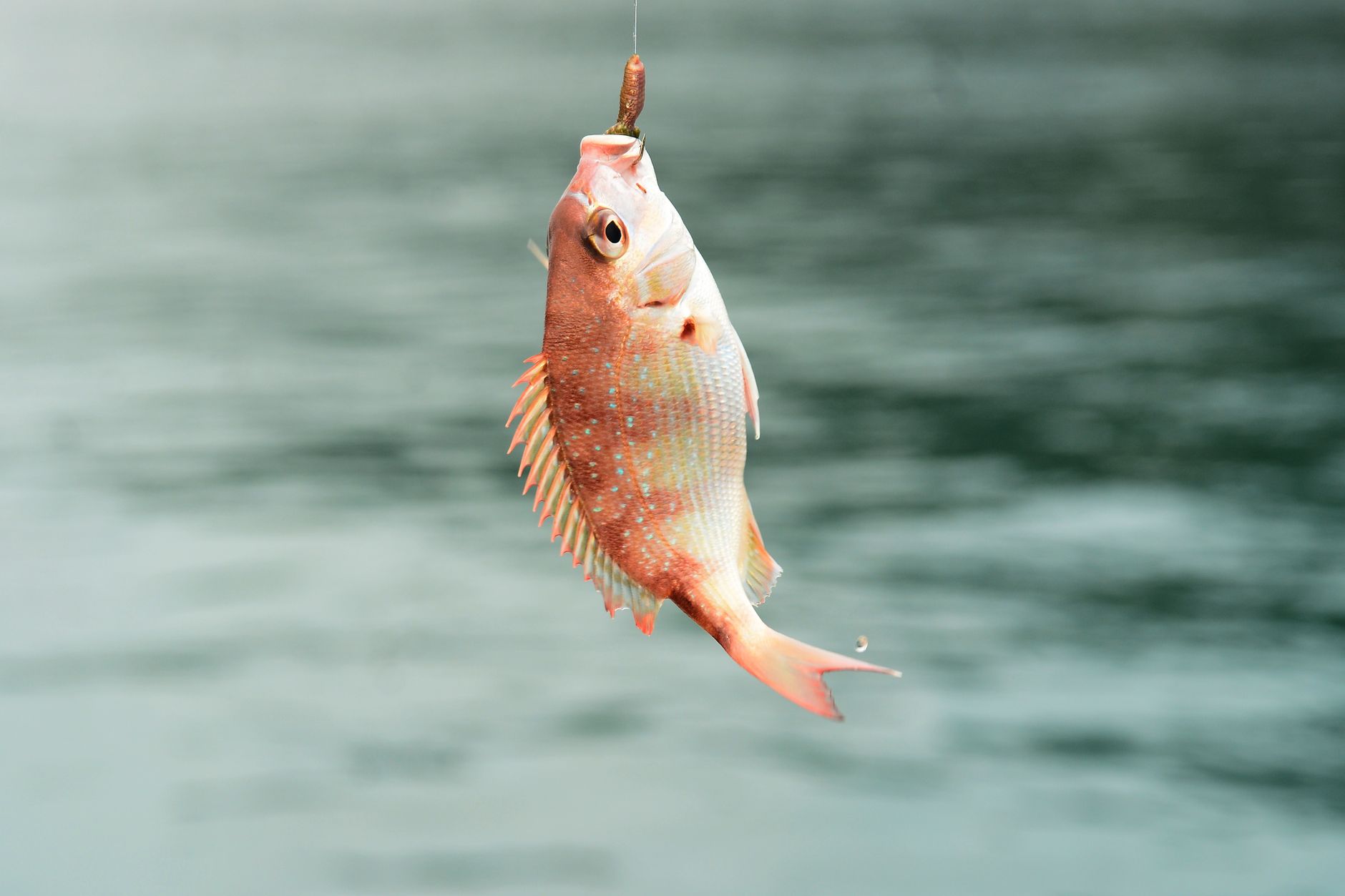
Fishing drones have moved well past the novelty stage. In 2026, serious anglers use them to carry baited lines hundreds of meters offshore, scout for fish, and drop rigs with GPS precision. The category now splits into two clear groups: waterproof multirotors built for saltwater landings and heavy-lift commercial platforms that can haul serious payloads. The FAA’s drone registration rules apply to almost every fishing drone because they weigh more than 250 grams. You must register your drone, add Remote ID, and pass the TRUST test for recreational flights. If you are using the drone for charters or guiding, that is Part 107 commercial work.
We looked at payload release reliability, waterproof rating, flight time, camera quality, and real world price. Many anglers buy a cheap drone with a third-party release, but most consumer models cannot handle salt spray or water landings. We also checked how each drone handles a 1 kg to 2.5 kg bait load. For context, a fully baited bottom rig with sinker often weighs 400 g to 900 g, while shark or tarpon baits can exceed 1.5 kg. Check drone laws in the USA before flying near beaches or jetties because temporary flight restrictions are common.
Waterproofing is the biggest divider. A drone that lands in the surf must survive salt water, rinse clean, and not kill its batteries. SwellPro and Gannet build IP66 or IP67 rated fishing drones that float. DJI’s commercial FlyCart 30 can lift huge payloads, but it is not a water landing drone. If you fish in Canada, drone laws in Canada require registration and a basic or advanced certificate for most models over 250 g. The good news is that modern fishing drones have come down in price, with solid options starting around $1,000.
We also considered how you will actually rig the release. Some fishing drones include an automatic payload release; others need a simple manual trigger. You will want a spare battery or two, a landing pad for soft ground, and a hard case if you travel to the coast. Our best drone accessories guide covers the exact kit we use. Pay attention to battery care because salt water and sand are hard on connectors. Follow our drone battery care guide to keep your packs alive between trips.
How Do the Top Options Compare?
| Drone | Best For | Payload | Flight Time | Waterproof | Price |
|---|---|---|---|---|---|
| SwellPro SplashDrone 4 | Most anglers | 1.5 kg | 30 min | IP67, floats | $1,799 |
| SwellPro FD3 | Heavy bait drops | 2.5 kg | 26 min | IP67, floats | $1,999 |
| Gannet Pro Plus | Payload and video | 2.5 kg | 32 min | IP66 | $1,650 |
| SwellPro Fisherman FD1 | Budget fishing | 1.0 kg | 22 min | IP66 | $999 |
| DJI FlyCart 30 | Commercial payload | 30 kg | 20 min loaded | IP55 | $16,000 |
Prices are typical US street prices in early 2026 and may vary by retailer. Flight times are manufacturer ratings without wind or payload. Always leave reserve battery for return. Payload capacity includes the release mechanism and line tension.
1. SwellPro SplashDrone 4 , Most anglers wanting a waterproof fishing drone
After testing several fishing drones in saltwater conditions, the SwellPro SplashDrone 4 remains the one we recommend first. It carries a 1.5 kg payload, which covers most baits, sinkers, and even small live bait setups. The drone flies up to 30 minutes on a single battery and records 4K video through a 1/2.3-inch sensor. That combination matters because you can scout fish and drop bait without swapping aircraft. Salt spray is the real test for fishing drones. The SplashDrone 4 has an IP67 waterproof rating and can float if you land it upside down in the surf. The automatic bail release triggers from the controller, and the GPS hold keeps the drone steady while you manage line tension. It is not a small drone, and you will need a case if you hike into a beach. Check our best drone accessories guide for a landing pad and spare release hooks. Check the SwellPro SplashDrone 4 on Amazon.
Key strengths:
- ✅ Fully waterproof IP67 design that floats after water landings
- ✅ 1.5 kg payload release handles most surf and boat baits
- ✅ 30 minute flight time with 4K camera footage
- ✅ GPS position hold is steady over moving water
- ❌ Large and heavy for travel, especially with spare batteries
- ❌ Flight time drops to about 20 minutes at maximum payload
- ❌ No obstacle avoidance sensors
Who it’s for: Anglers who fish from surf, rocks, or small boats and need a saltwater-ready drone that can land on the water.
2. SwellPro FD3 , Dedicated bait dropping with heavier payloads
The SwellPro FD3 is built specifically for anglers who push bait weight. It handles a 2.5 kg payload, which is enough for large baits, chum bags, or multiple rigs. Flight time is 26 minutes, but expect closer to 18 minutes when you are running a heavy bait out against the wind. The release mechanism is firmer than the SplashDrone 4 and less likely to prematurely open in rough air. You get the same waterproof IP67 construction, so the FD3 can set down on a lake or protect its internals from salt spray. The camera is a 4K FPV unit, but this drone is more about work than cinematography. If you want the strongest fishing-specific release without moving to a commercial platform, the FD3 is the straightforward pick. We would pair it with the care tips in our drone battery care guide because heavy loads stress the packs. Check the SwellPro FD3 on Amazon.
Key strengths:
- ✅ Heavy 2.5 kg payload capacity for big baits and multi-rig drops
- ✅ IP67 waterproof body floats on water
- ✅ Strong release hook reduces accidental drops
- ✅ Purpose-built fishing controls and one-key return
- ❌ Shorter 26 minute flight time, even less with max load
- ❌ More expensive than the SplashDrone 4 for similar camera quality
- ❌ App can feel clunky when setting waypoints
Who it’s for: Anglers who regularly drop heavy baits or chum and want a dedicated fishing drone over a general camera drone.
3. Gannet Pro Plus , Balanced payload and video quality
Gannet has been making waterproof bait-dropping drones for several years, and the Pro Plus is the model we would buy for mixed use. It carries a 2.5 kg payload, flies for about 32 minutes, and captures sharp 4K video from a 1/2.3-inch sensor. In practice, the Gannet Pro Plus gives you slightly more flight time than the FD3 at a lower price. The tradeoff is waterproofing. It carries an IP66 rating, which means it handles heavy rain and splashes but is not designed for full immersion like the IP67 SwellPro models. The remote payload release works well, and the airframe is stable in wind. If you want one drone for fishing and family beach video, this is a strong option. New pilots should still review our how to fly a drone beginner guide before adding a bait line.
Key strengths:
- ✅ Strong 2.5 kg payload capacity for the price
- ✅ 32 minute flight time beats many fishing drones
- ✅ 4K video on a 1/2.3-inch sensor gives clean beach footage
- ✅ Reliable remote release with steady GPS hold
- ❌ IP66 rating means it cannot be fully submerged
- ❌ Smaller support network in North America compared to SwellPro
- ❌ Battery latches need careful cleaning after salt exposure
Who it’s for: Anglers who want a single drone for both bait dropping and decent coastal video without spending SwellPro FD3 money.
4. SwellPro Fisherman FD1 , Budget waterproof fishing drone
The Fisherman FD1 is SwellPro’s entry-level fishing drone, and it is still relevant in 2026 for anglers who fish a few times a month. It carries a 1.0 kg payload, which works for small to medium baits and freshwater or light surf use. Flight time is 22 minutes, and the camera tops out at 1080p. You lose the sharper 4K image, but you keep the waterproof shell and remote release. At about $999, it undercuts the bigger SwellPro models by several hundred dollars. The main limitation is payload: once you add a heavy sinker, a large bait, and line tension, you may want more lift. But for lake fishing, kayak anglers, and budget-conscious coastal anglers, the FD1 is the most affordable purpose-built option. If you are new to drones, start with our best drones for beginners guide to practice control before flying over water. Check the SwellPro Fisherman FD1 on Amazon.
Key strengths:
- ✅ Lower $999 street price makes waterproof fishing drones accessible
- ✅ IP66 shell resists rain and splash
- ✅ Simple remote release is easy to operate
- ✅ Light 1.8 kg airframe is easier to transport
- ❌ 1.0 kg payload limits larger baits and heavy sinkers
- ❌ 1080p camera is not ideal for scouting fish
- ❌ 22 minute flight time leaves less margin over open water
Who it’s for: Budget anglers and kayak fishermen who need a waterproof bait dropper without spending over $1,200.
5. DJI FlyCart 30 , Heavy commercial payload drops
If you need to move serious weight offshore, the DJI FlyCart 30 is in a different class. It carries up to 30 kg of payload and can fly beyond visual line of sight with the right waivers. That is enough for commercial baiting operations, crab pot placement, or hauling gear to a mothership. The price starts around $16,000 before batteries and accessories. Understand the tradeoffs. The FlyCart 30 has an IP55 rating, so it resists light rain but is not meant to land on water. It works best from a beach or helipad, not a surf launch. You will also need a Part 107 certificate for commercial operations, and the FAA’s drone rules require extra approvals for heavier lifts in some airspace. Most recreational anglers do not need this drone, but for a fishing lodge or charter fleet, it is the only option here with true heavy-lift capability.
Key strengths:
- ✅ Massive 30 kg payload capacity handles commercial bait operations
- ✅ Obstacle sensing and enterprise flight controls improve safety
- ✅ IP55 rating handles light rain and dust
- ✅ Long range with DJI O3 transmission and dual battery options
- ❌ Costs around $16,000 before accessories
- ❌ Not waterproof and cannot land on water
- ❌ Requires Part 107 and often additional airspace approvals
Who it’s for: Commercial fishing lodges, charter fleets, and research teams that need to move heavy gear over water.
Frequently Asked Questions
Do I need a license to fly a fishing drone?
In the United States, recreational pilots must register any drone over 250 grams and pass the free FAA TRUST test. Commercial use, including guiding or charter fishing, requires a Part 107 certificate. Canadian pilots must register and hold a basic or advanced drone certificate.
Can any drone drop bait?
No. Most camera drones lack a payload release and cannot handle the weight, salt spray, or line tension. Purpose-built fishing drones include remote release hooks and waterproof designs.
Are fishing drones waterproof?
The best fishing drones carry IP66 or IP67 ratings. IP67 models like the SwellPro SplashDrone 4 can survive full water immersion and can land on the surface. IP66 models resist heavy spray but are not designed for submersion.
How far can a fishing drone fly?
Most consumer fishing drones have a control range between 1 km and 2 km. Range drops when you carry heavy payloads. Always keep the drone in visual line of sight unless you have a waiver.
What is the best cheap fishing drone?
The SwellPro Fisherman FD1 is the best budget pick at around $999. It carries 1 kg, flies 22 minutes, and has an IP66 waterproof shell, but the camera is limited to 1080p.
How do I clean a fishing drone after salt water?
Rinse the airframe with fresh water after each saltwater flight, dry the battery connectors fully, and check the release mechanism for sand. Avoid charging batteries while they are still damp or warm.
What Should You Remember?
- Best overall: The SwellPro SplashDrone 4 is the top pick for most anglers because it floats, carries 1.5 kg, and shoots 4K video.
- Best payload value: The SwellPro FD3 and Gannet Pro Plus both carry 2.5 kg, enough for heavy baits and multi-rig drops.
- Waterproof rating: IP67 models can land on water, while IP66 models only resist heavy spray and rain.
- Budget pick: The SwellPro Fisherman FD1 costs about $999 but limits you to a 1.0 kg payload and 1080p video.
- Commercial heavy lift: The DJI FlyCart 30 can move 30 kg, but it costs around $16,000 and requires Part 107.
- Know the law: FAA registration and Remote ID apply to almost all fishing drones because they weigh more than 250 grams.
This article is for general information only. Drone regulations vary by region and change frequently — always verify current local laws and airspace rules before flying.