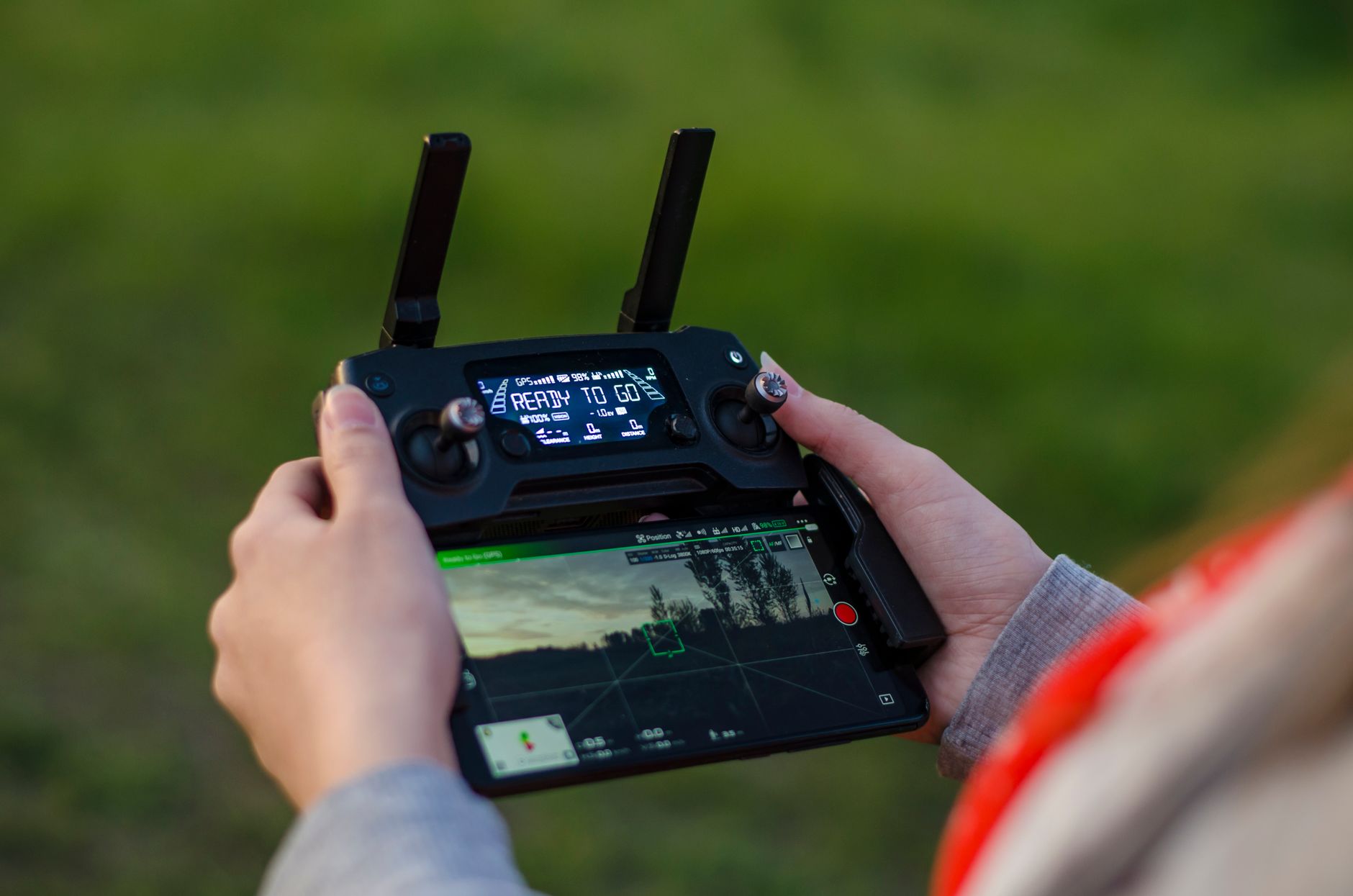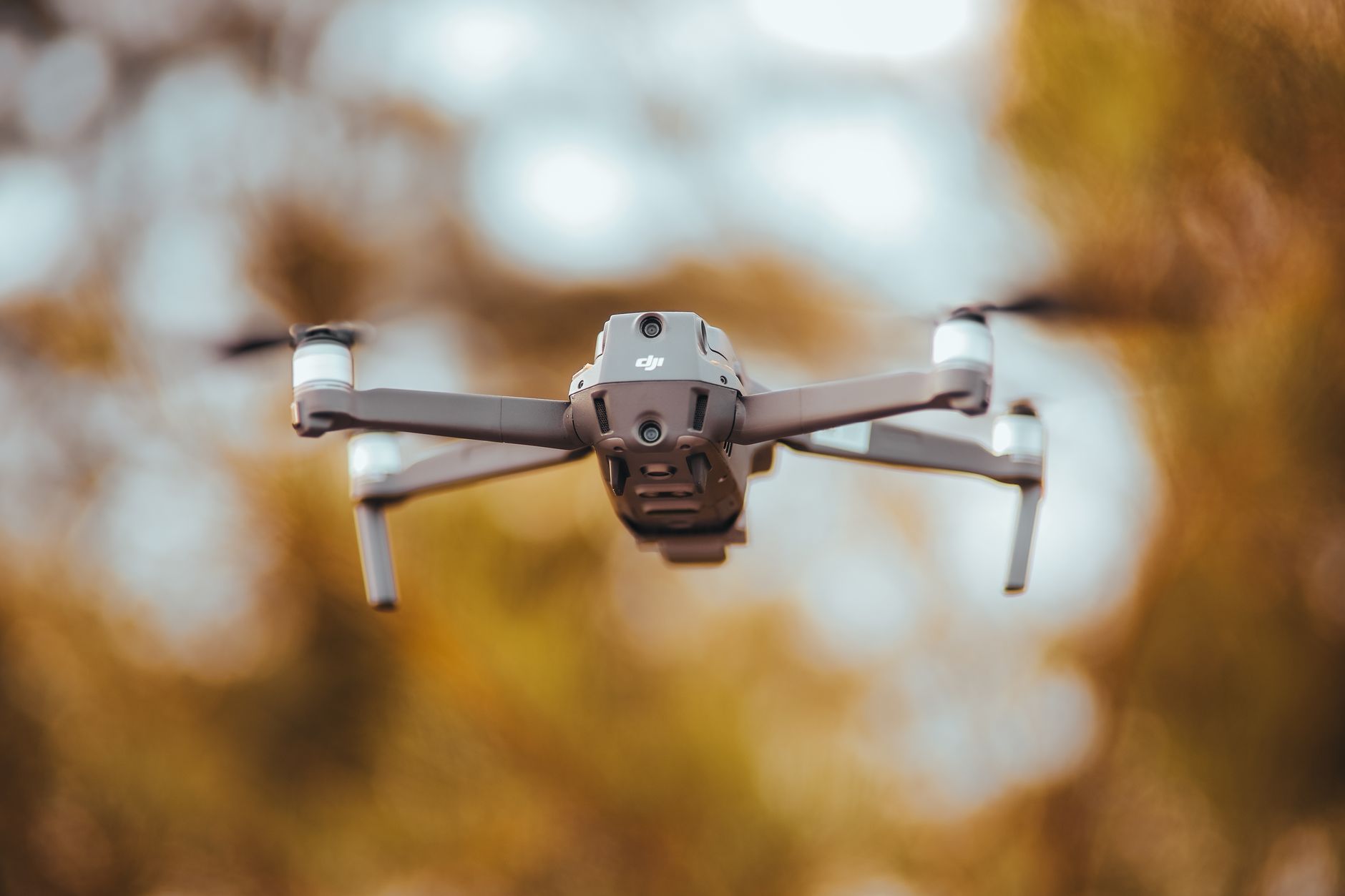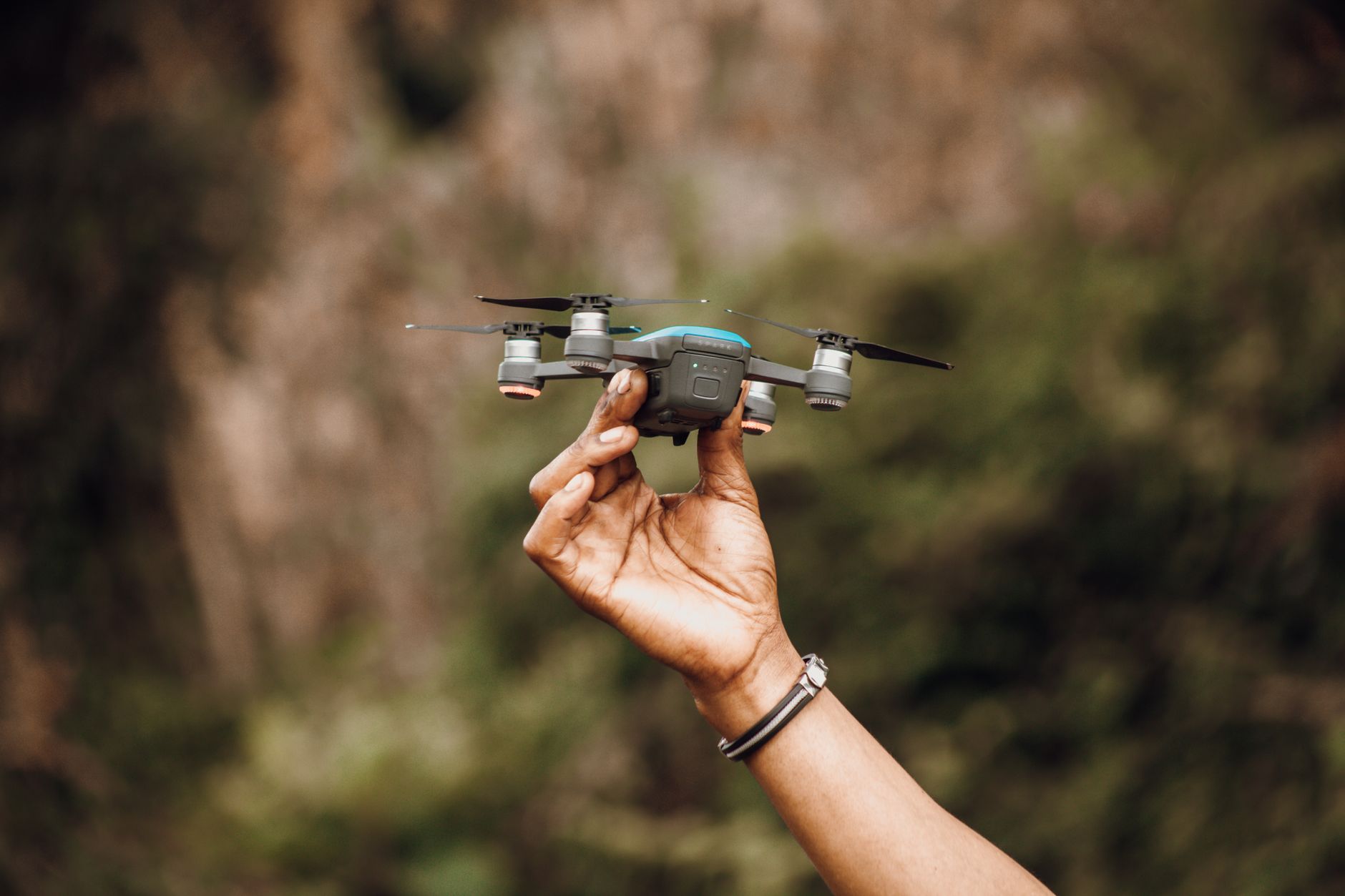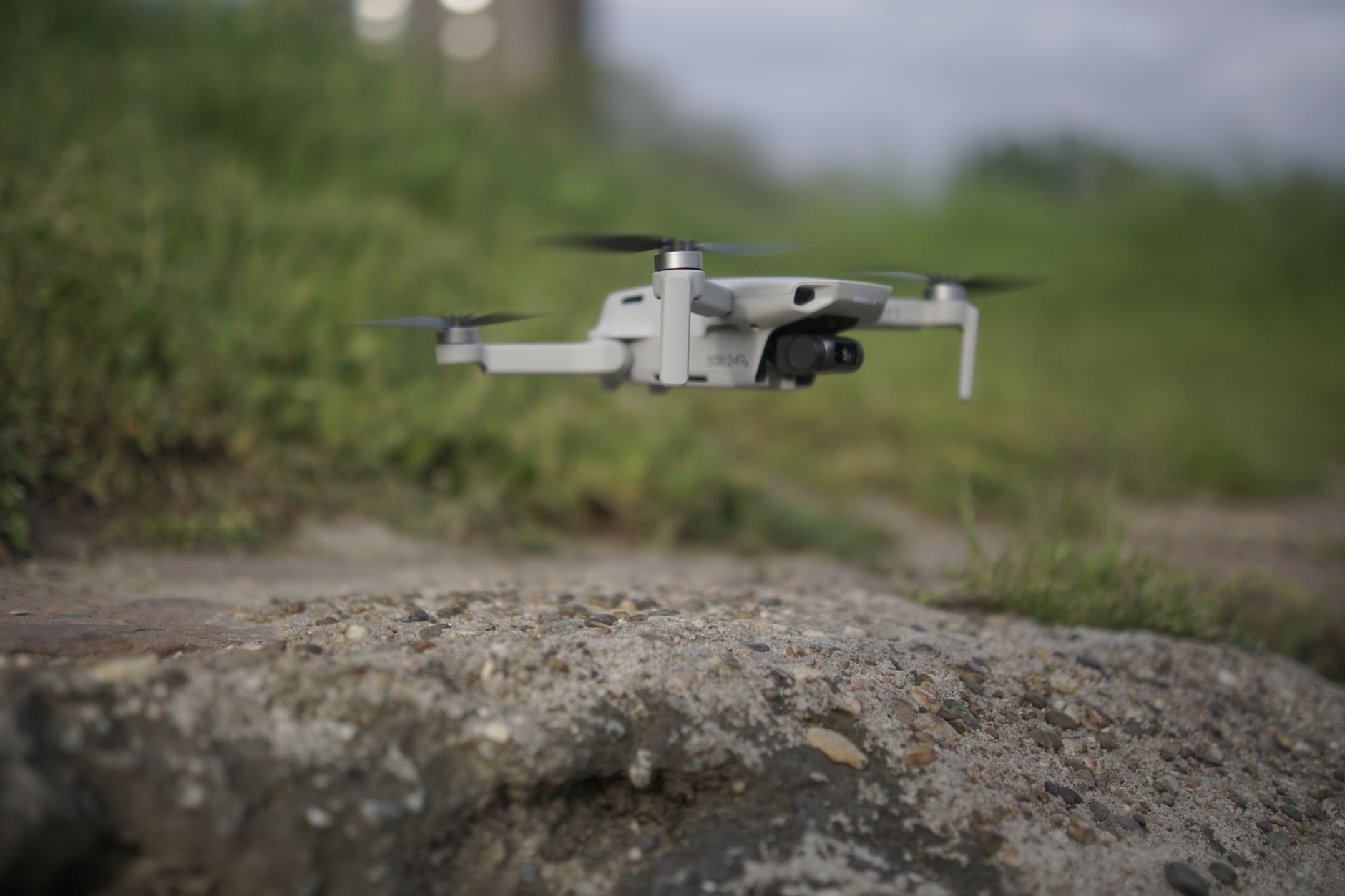
Entry-level camera drones used to mean 720p video, no GPS, and a prayer that the wind would not take your aircraft. That has changed. The DJI Mini 4K now shoots 4K at 30fps on a 1/2.3-inch CMOS sensor, weighs under 249 g, and flies for up to 31 minutes. At the same time, budget models from Potensic, Holy Stone, and Ryze have closed the gap on price, if not always on polish. Before you buy, check our drone laws in the USA and remember the FAA’s drone rules apply to any drone over 250 grams.
This comparison focuses on the drones a first-time buyer will actually consider under $400. I looked at camera sensor size, real flight time, weight, transmission range, controller feel, and spare battery bundles. The goal is to separate useful specs from marketing claims. Many cheap drones say 4K on the box but use a small sensor or electronic stabilization that produces wobbly footage. If you want a plain-English starting point, see our best drones for beginners guide.
The DJI Mini 4K is the reference point because it does what budget drones usually cannot. It combines a three-axis gimbal, GPS return-to-home, and DJI’s app into a package under 249 g. Budget alternatives sometimes match a single spec, like a 4K label or 30-minute battery, but they cut corners in transmission range, app stability, or camera processing. Unlike toy drones, these models also require a basic understanding of airspace rules and battery handling.
Price is the real variable. The Mini 4K sells for about $299. The Potensic Atom SE often lands near $220. The Holy Stone HS175D can dip under $150, and the Ryze Tello sits near $99. If you plan to fly regularly, spend a few minutes on drone battery care guide before you buy extra batteries. The right pick depends on whether you want the best camera or the best price.
How Do the Top Options Compare?
| Model | Best For | Camera | Flight Time | Weight | Price |
|---|---|---|---|---|---|
| DJI Mini 4K | Best overall 4K camera | 1/2.3-inch CMOS, 4K/30fps | 31 minutes | Under 249 g | Check price |
| Potensic Atom SE | Best value 4K alternative | 1/2.3-inch CMOS, 4K/30fps | 31 minutes | Under 249 g | Check price |
| Holy Stone HS720E | Best GPS features under $300 | 4K/30fps with EIS | 26 minutes | 495 g | Check price |
| Holy Stone HS175D | Best cheap GPS trainer | 4K UHD | 23 minutes | 216 g | Check price |
| Ryze Tello | Best indoor learning drone | 5MP photo, 720p video | 13 minutes | 80 g | Check price |
Prices are based on common U.S. retail pricing at publication. Flight times are manufacturer ratings; real-world results vary. Drones under 250 grams do not need FAA registration for recreational flight, but heavier drones do. Verify current rules before flying.
1. DJI Mini 4K , Best overall entry-level camera
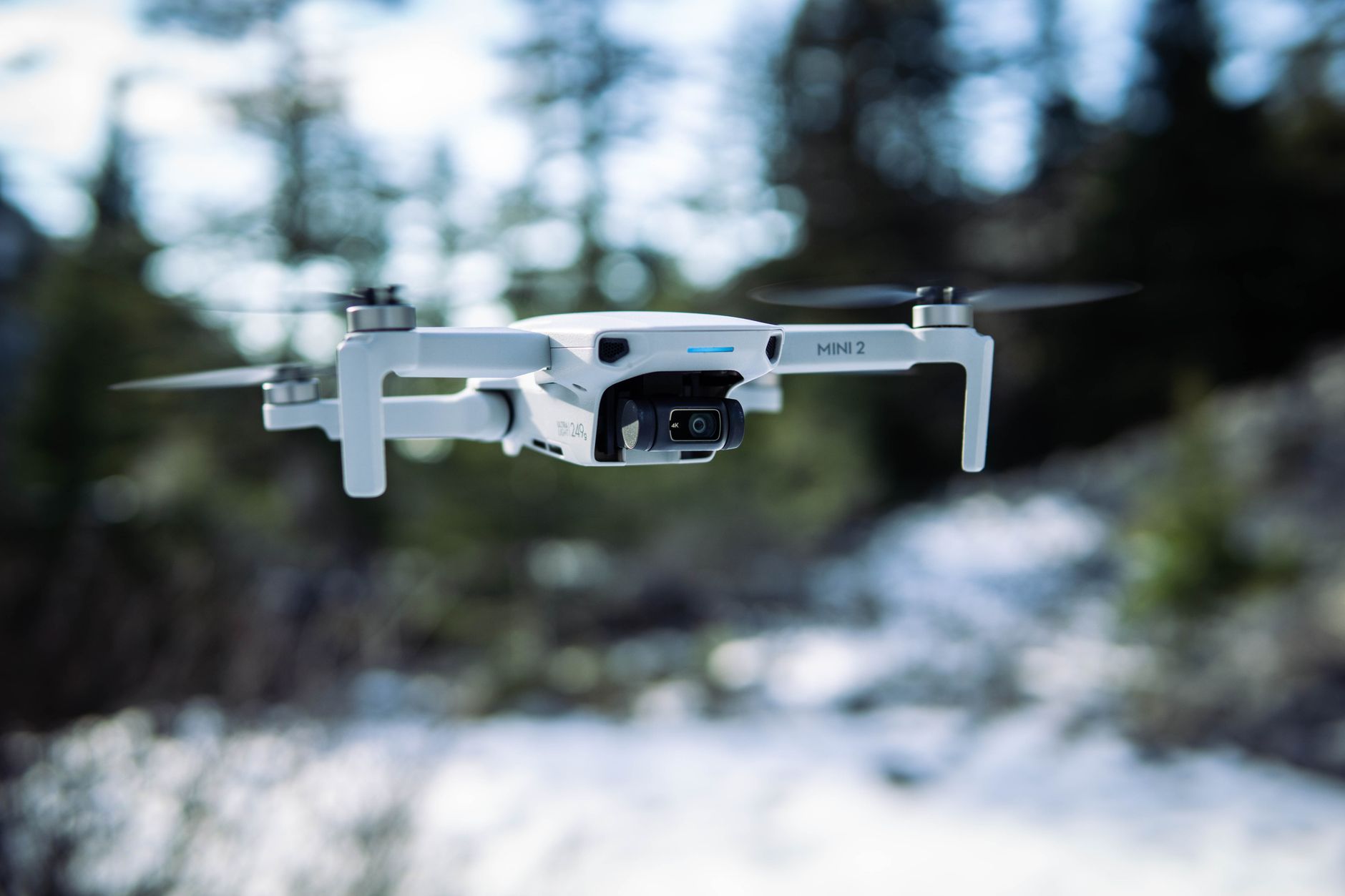
DJI built the Mini 4K for pilots who want a real 4K camera in a sub-250 g frame. The drone records 4K at 30fps from a 1/2.3-inch CMOS sensor and stabilizes footage with a three-axis mechanical gimbal. That combination makes a visible difference when you fly in light wind. The Mini 4K also reaches up to 10 km of video transmission range in FCC regions, which is far beyond most budget drones. Compare it with other DJI models in our DJI drones compared piece, or check the official specs at DJI.
Battery life is strong at 31 minutes, but real flights usually land between 22 and 27 minutes. The drone weighs 249 g, so recreational pilots in the U.S. do not need to register it with the FAA. The controller and DJI Fly app are more polished than any budget app I have tested. The main downside is price. At about $299, the Mini 4K costs nearly twice what a Holy Stone HS175D does, and it still lacks obstacle avoidance. For a direct look at current pricing, check the DJI Mini 4K on Amazon.
Key strengths:
- ✅ Shoots true 4K at 30fps on a 1/2.3-inch CMOS sensor
- ✅ Stable three-axis gimbal smooths wind and movement
- ✅ Flies up to 31 minutes and weighs under 249 g
- ✅ DJI app and GPS return-to-home are polished
- ✅ Up to 10 km video transmission range in FCC areas
- ❌ Costs roughly $299, double some budget drones
- ❌ No obstacle avoidance sensors
- ❌ Requires DJI app and account for full features
Who it’s for: Choose this if image quality and flight stability matter more than saving money.
2. Potensic Atom SE , Best value 4K alternative
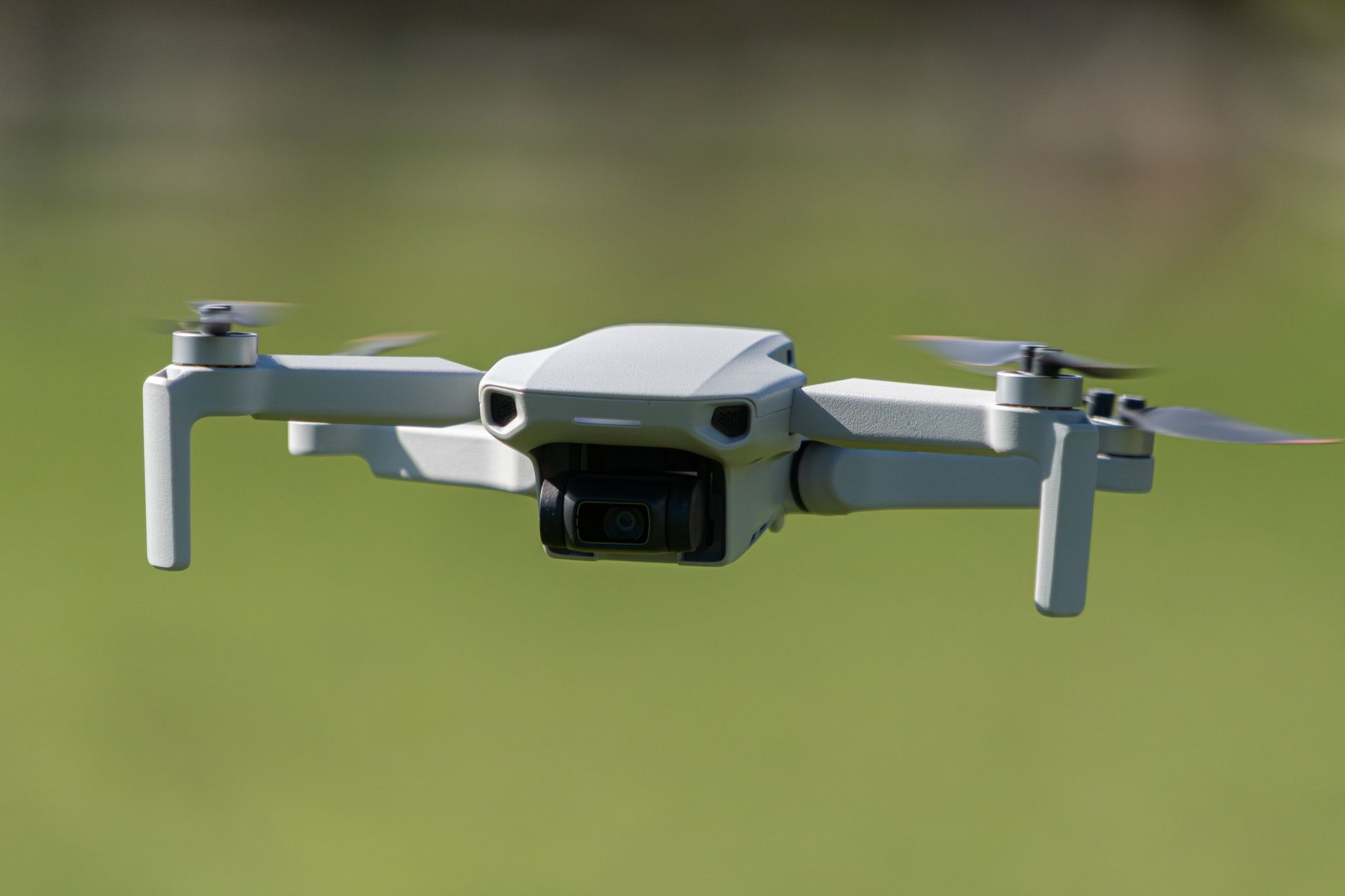
The Potensic Atom SE is the budget drone that pressures the Mini 4K hardest. It records 4K at 30fps on a 1/2.3-inch CMOS sensor and uses a three-axis gimbal, a rare feature at this price. Flight time reaches 31 minutes, and the drone weighs under 249 g, so recreational FAA registration is not required. The control range is shorter at about 4 km, but that is still enough for beginner flights. Read our best DJI alternatives 2026 list to see how it fits the wider market.
Potensic includes two batteries in many bundles, which effectively doubles your session time. The app has GPS return-to-home, follow-me, and waypoint-style features, though the experience is not as refined as DJI Fly. Camera processing can look slightly softer in low light, and firmware updates arrive less often. If you want 80 percent of the Mini 4K experience for roughly $80 less, check the Potensic Atom SE on Amazon.
Key strengths:
- ✅ Records 4K at 30fps for under $250
- ✅ Includes two batteries in some bundles, extending total flight time
- ✅ Weighs under 249 g, so no FAA registration for recreational flights
- ✅ GPS return-to-home and beginner flight modes
- ✅ Three-axis gimbal stabilizes video better than most budget drones
- ❌ App and controller feel less polished than DJI Fly
- ❌ Maximum transmission range is shorter, around 4 km
- ❌ Customer support and firmware updates slower than DJI
Who it’s for: Budget shoppers who want 4K video without paying DJI prices.
3. Holy Stone HS720E , Best GPS stability for beginners
Holy Stone’s HS720E takes a different path. It is a heavier foldable drone at 495 g, which means you must register it with the FAA and comply with Remote ID for recreational flights. In exchange, you get a beginner-friendly GPS package with return-to-home, follow-me, and a 4K camera with electronic image stabilization. The camera records 4K at 30fps, but the lack of a three-axis gimbal is the trade-off. Windy footage looks less stable than the Mini 4K or Potensic Atom SE.
The HS720E flies for about 26 minutes per battery, and many bundles include a carrying case and two batteries. That is useful for practice sessions. The price usually sits near $250 to $280, which makes it a mid-tier budget option rather than a true bargain. If you want to see cheaper alternatives, start with our best drones under $200 guide. The extra weight also means the FAA registration process applies, so factor that into your decision.
Key strengths:
- ✅ Shoots 4K video with electronic image stabilization
- ✅ GPS-assisted return-to-home and follow me are reliable
- ✅ Carrying case and two batteries in many bundles
- ✅ Longer control range than many no-name budget drones
- ❌ Weighs 495 g, so requires FAA registration and Remote ID if flown recreationally
- ❌ Electronic stabilization crops footage and is less smooth than a real gimbal
- ❌ Camera sensor struggles in low light
Who it’s for: Pilots who want GPS safety features and do not mind registering their drone.
4. Holy Stone HS175D , Best cheap GPS trainer
The Holy Stone HS175D is the budget option I recommend to people who are not sure they will stick with drones. It costs less than $150, weighs 216 g, and includes GPS return-to-home plus optical flow positioning. The camera is labeled 4K UHD, but the smaller sensor means image detail is a clear step below the Mini 4K. Expect softer stills and more noise when light fades.
Flight time is rated at 23 minutes, and many kits include two batteries. The controller is simple, and the drone is light enough that recreational FAA registration is not required. However, there is no three-axis gimbal, so video can bounce in wind. Treat the HS175D as a low-risk trainer that teaches GPS flight basics before you spend $300 on a better camera platform.
Key strengths:
- ✅ Costs less than $150, making it a low-risk starter drone
- ✅ Weighs 216 g, so no FAA registration for recreational flying
- ✅ GPS return-to-home and optical flow help beginners hold position
- ✅ Includes two batteries for extra flight practice
- ❌ 4K label is misleading; the sensor is smaller and less detailed than DJI’s
- ❌ No three-axis gimbal, so wind causes shaky footage
- ❌ 23-minute flight time falls short of Mini 4K
Who it’s for: Shoppers who want a cheap outdoor trainer with GPS before upgrading.
5. Ryze Tello , Best indoor learning drone
The Ryze Tello is not a 4K drone, and that is fine. It is a $99 indoor trainer that weighs 80 g and flies for about 13 minutes. The camera captures 720p video and 5MP photos, which is enough for learning framing but not for serious aerial photography. It has no GPS, so it cannot return home or hold its position outdoors in wind.
What the Tello does well is build manual flying skills. The app is stable, the drone is durable, and Scratch programming support makes it fun for younger pilots. Indoors, optical flow keeps it reasonably steady. If you have never flown before, a Tello can save you from crashing a $300 drone on your first battery.
Key strengths:
- ✅ Costs around $99 and is nearly indestructible
- ✅ Weighs 80 g, which is far below FAA registration threshold
- ✅ Simple app and programmable with Scratch
- ✅ Excellent indoor trainer for manual flight
- ❌ Camera only records 720p video, not 4K
- ❌ No GPS, so it cannot return home or hold position in wind
- ❌ Flight time is just 13 minutes
Who it’s for: New pilots who want a low-cost, indoor-friendly trainer before buying a camera drone.
Frequently Asked Questions
Do I need to register the DJI Mini 4K with the FAA?
For recreational flying in the U.S., no. The Mini 4K weighs under 250 grams, so it is below the FAA registration threshold. If you add accessories that push it over 250 grams or fly under Part 107, registration may be required.
Is DJI Mini 4K better than cheap 4K drones?
Usually yes. It has a three-axis gimbal, a polished app, longer range, and more consistent 4K footage. Cheap drones may claim 4K but often use smaller sensors or digital stabilization that makes video shaky.
What is the actual flight time of the DJI Mini 4K?
DJI lists a maximum flight time of 31 minutes. Real-world flying is usually 22 to 27 minutes depending on wind, temperature, and how hard you push the throttle.
Which budget drone has the longest flight time?
The Potensic Atom SE can match the Mini 4K with up to 31 minutes per battery. Many bundles include two batteries, giving roughly an hour of total flying time.
Can I fly budget drones indoors?
Some can, but GPS drones like the Holy Stone HS720E are not ideal indoors. The Ryze Tello is a better indoor trainer because it is small, light, and uses optical flow rather than GPS.
Does a budget drone need Remote ID?
In the U.S., drones under 250 grams flown for recreation do not require FAA registration or Remote ID. Heavier drones, including the Holy Stone HS720E at 495 grams, must be registered and comply with Remote ID.
What Should You Remember?
- Camera quality: DJI Mini 4K records cleaner 4K video than similarly priced budget drones because of its 1/2.3-inch CMOS sensor and three-axis gimbal.
- Weight classes: Drones under 250 grams, like the Mini 4K and Potensic Atom SE, skip FAA recreational registration; heavier models do not.
- Flight time: Budget drones now reach 31 minutes, but real-world battery life is usually 22 to 27 minutes in mild conditions.
- Price gap: The Mini 4K costs around $299, while capable alternatives like the Potensic Atom SE and Holy Stone HS175D save $50 to $150.
- Gimbal vs EIS: A three-axis gimbal is the biggest reason DJI and Potensic footage looks stable; budget models with electronic stabilization lose detail.
- Beginner fit: Absolute beginners may be better served by a $99 Ryze Tello or a GPS budget drone before spending $300.
This article is for general information only. Drone regulations vary by region and change frequently , always verify current local laws and airspace rules before flying.