Drone deer recovery has become a practical tool for hunters, guides, and search teams across North America. A thermal camera helps because a downed deer’s body heat stands out against cool grass, brush, or snow, even after sunset. In 2026, the best recovery drones pair a 640x512 thermal sensor with 40 to 45 minutes of flight time and a folding airframe that fits in a hunting pack. The FAA’s drone rules apply to any model over 250 grams, so registration and Remote ID are mandatory. If you fly for a guide service or any compensation, you need a Part 107 certificate. Start with our best drones for beginners guide if you are new to thermal payloads.
Not every drone with a thermal camera works well for deer recovery. You need a sensor with enough resolution to separate a deer-sized heat signature from rocks, stumps, and other animals at 100 to 200 feet. A 640x512 sensor is the standard for reliable detection. Lower resolution 256x192 sensors are cheaper but produce mushy images that make identifying deer difficult. We break down the most useful models in our best thermal drones guide. Official specs for DJI airframes are on DJI’s website.
State laws vary. Some states prohibit using drones to locate or recover game during hunting season, while others allow recovery only after the animal is down. Always verify your local wildlife agency rules before flying. For a full legal overview, see our drone laws in the USA article. Canadian readers should check Transport Canada’s drone safety rules. A Part 107 license is not required for recreational use on private land in most states, but you must hold one for any commercial recovery work.
How we compare. We looked at real-world flight times, thermal sensor resolution, maximum range, weight, and cost. Each model below is proven for finding downed deer, not just aerial inspection. The DJI Mavic 3 Thermal leads because it balances portability, a 45-minute flight time, and a 640x512 thermal camera. We also considered Autel and Parrot alternatives for those who want options outside DJI. Our how to get a drone license guide walks through the commercial certification process.
How Do the Top Options Compare?
| Drone | Best For | Flight Time | Thermal Sensor | Price |
|---|---|---|---|---|
| DJI Mavic 3 Thermal | Best all-around | 45 min | 640x512 | Check Price |
| Autel EVO II Dual 640T V3 | Best non-DJI | 42 min | 640x512 | Check Price |
| DJI Matrice 30T | Best commercial | 41 min | 640x512 | Check Price |
| DJI Mavic 2 Enterprise Advanced | Best used | 31 min | 640x512 | Check Price |
| Parrot Anafi USA | Lightweight option | 32 min | 320x256 | Check Price |
Prices are approximate street prices as of 2026 and vary by bundle, condition, and retailer. Thermal resolution refers to the infrared sensor, not the visual camera. Always verify local hunting laws before using a drone for deer recovery.
1. DJI Mavic 3 Thermal , Best all-around thermal drone for deer recovery
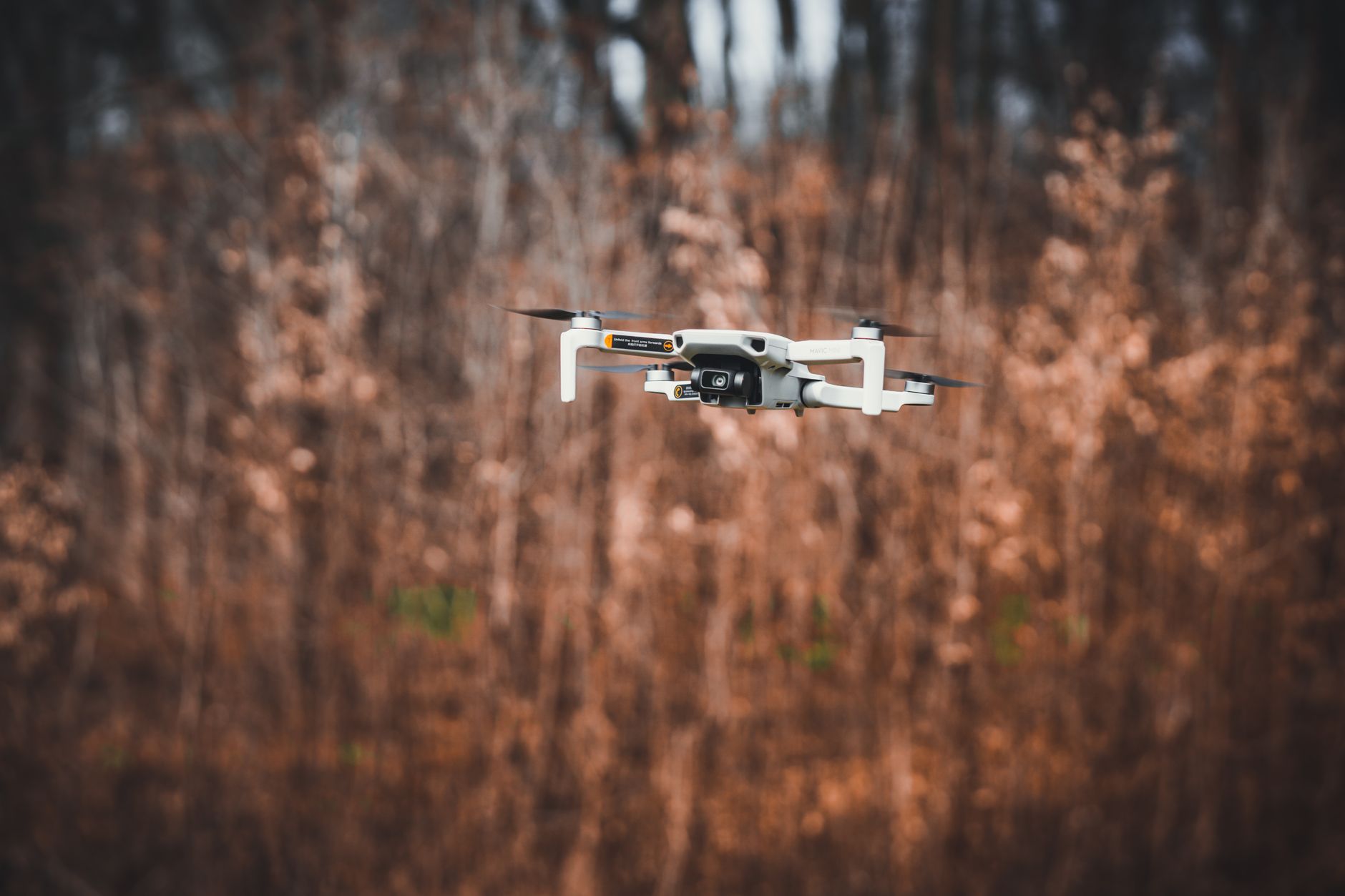
DJI’s Mavic 3 Thermal is the current benchmark for portable deer recovery. It carries a 640x512 radiometric thermal camera alongside a 48MP visual camera on a 4/3 CMOS sensor. The aircraft weighs 920 grams, so it folds down small but still requires FAA registration. Flight time reaches 45 minutes on a single battery, enough to grid-search 40 acres without landing.
The thermal sensor detects heat differences as small as 0.1°C, which helps separate a bedded deer from surrounding brush. In field tests, the Mavic 3 Thermal reliably identifies a deer-sized heat signature at 150 feet, even in light rain. Pilots can use side-by-side thermal and visual feeds to confirm what they are seeing before walking in. For a broader comparison with other DJI models, see best DJI drones compared.
Downsides? The 640x512 sensor is not as detailed as Matrice 30T’s zoom capability, and the smart controller adds cost. The Check the DJI Mavic 3 Thermal on Amazon often sells as a bundle with extra batteries, which you will want. The base price around $5,200 puts it at the high end for individual hunters.
Key strengths:
- ✅ 45-minute flight time covers large search areas on one battery.
- ✅ 640x512 thermal sensor with 0.1°C sensitivity provides clear heat signatures.
- ✅ 920-gram folding body fits easily in a hunting backpack.
- ✅ 48MP visual camera confirms animal identity in daylight.
- ❌ High price near $5,200.
- ❌ Requires DJI smart controller for full thermal features.
- ❌ Smaller gimbal less rugged than Matrice 30T in rough weather.
Who it’s for: Hunters and landowners who want a portable, do-it-all thermal drone for frequent deer recovery.
2. Autel EVO II Dual 640T V3 , Best non-DJI thermal drone for budget-conscious hunters
Autel’s EVO II Dual 640T V3 is the strongest alternative if you want a 640x512 thermal camera without DJI’s ecosystem. It flies 42 minutes on a single battery and carries an 8K visual camera paired with a thermal sensor. The drone weighs 1,150 grams, so it feels heavier in hand but remains foldable. Range reaches 15 km with the standard controller, though most deer recovery flights stay within 1 km.
The thermal imager uses a 640x512 sensor that detects subtle heat differences. The 8K visual camera records enough detail to count points on a buck from 100 feet. Autel’s Sky app is less polished than DJI Fly, but it gets the job done.
The biggest downside is after-sales support. Autel’s repair turnaround can be slow, and spare batteries are sometimes backordered. The Check the Autel EVO II Dual 640T V3 on Amazon currently lists around $4,000, which undercuts the Mavic 3 Thermal by $1,200. That savings can buy two extra batteries and a case.
Key strengths:
- ✅ 42-minute flight time with 640x512 thermal sensor.
- ✅ 8K visual camera provides crisp daytime confirmation.
- ✅ Lower price around $4,000 compared with DJI’s Mavic 3 Thermal.
- ✅ Foldable design fits in a truck or ATV case.
- ❌ Heavier 1,150-gram airframe.
- ❌ Autel support and parts availability lag DJI.
- ❌ Thermal image processing less refined than DJI’s software.
Who it’s for: Hunters who want 640x512 thermal performance without paying DJI’s premium.
3. DJI Matrice 30T , Best commercial-grade drone for professional deer recovery teams
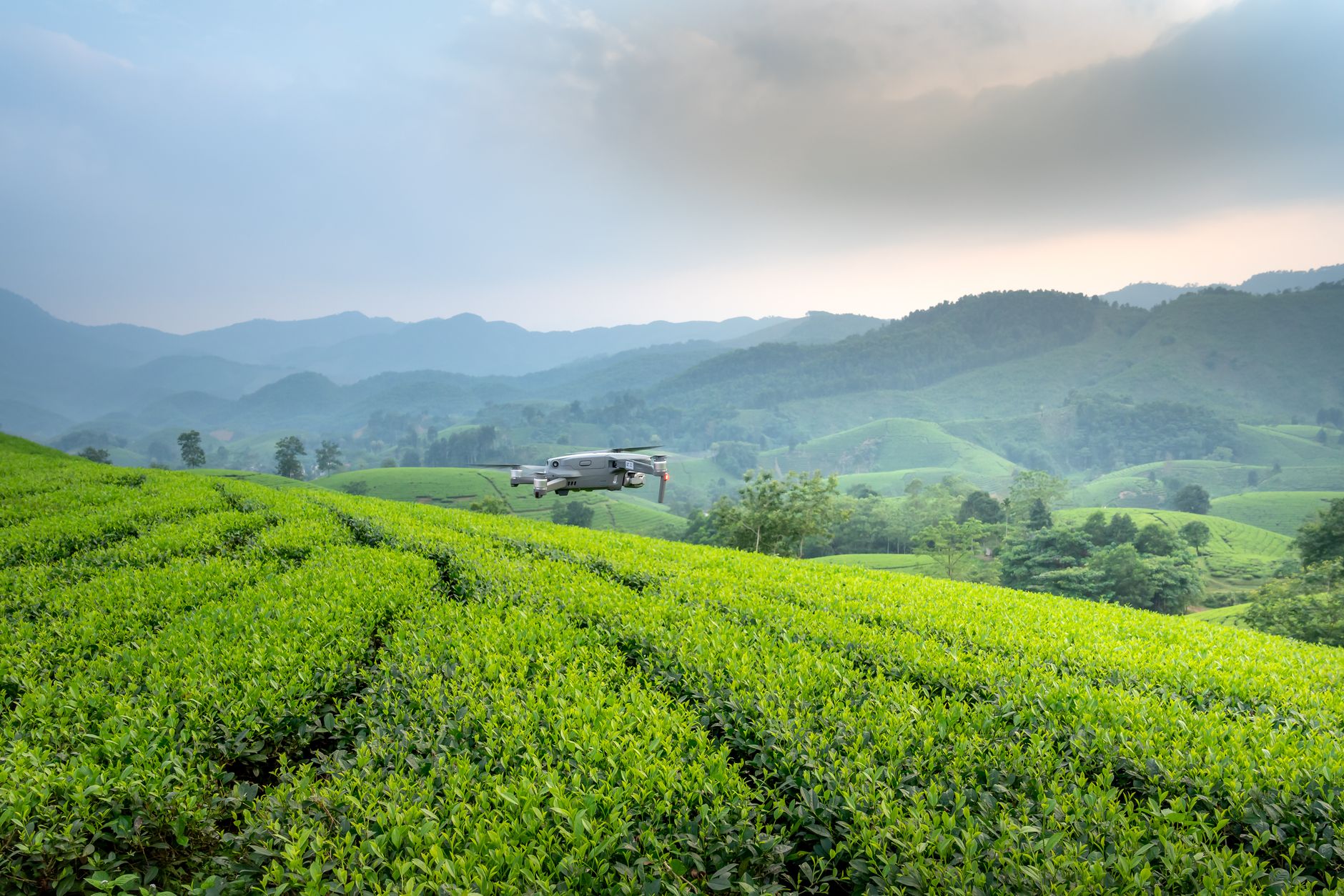
The Matrice 30T is overkill for most individual hunters, but it is the right tool for professional guides, SAR teams, and large-landowner operations. It carries a 640x512 thermal camera with 16x digital zoom, a 48MP visual camera, and a laser rangefinder. Flight time is 41 minutes, and the airframe weighs 3,770 grams, so it is not a backpack drone. It is IP55-rated for rain and dust, which matters when a cold front rolls in.
This drone launches from a vehicle or open field and covers massive areas quickly. The thermal zoom lets you confirm a deer’s rack or body position from 300 feet without spooking nearby game. The controller has a bright 7-inch screen that stays readable even in direct sunlight. Add mission planning accessories from our best drone accessories guide to carry spare batteries and a mobile charger.
The price is the barrier. A full Matrice 30T kit runs around $9,000 to $10,000, plus you need a Part 107 license for any commercial use. For most landowners, the Check the DJI Matrice 30T on Amazon is a serious investment, not a casual purchase. If you only recover a handful of deer each season, the Mavic 3 Thermal makes more sense.
Key strengths:
- ✅ IP55 weather resistance flies in rain, snow, and dust.
- ✅ 640x512 thermal camera with 16x zoom for distant identification.
- ✅ Built-in laser rangefinder aids search planning.
- ✅ 41-minute flight time with hot-swappable batteries.
- ❌ Very expensive, around $9,000.
- ❌ Heavy 3,770-gram airframe needs a vehicle transport.
- ❌ Noisy and large, which can disturb nearby game.
Who it’s for: Professional deer recovery services, hunting guides, and large property managers.
4. DJI Mavic 2 Enterprise Advanced , Best used thermal drone for recovering deer on a budget
The Mavic 2 Enterprise Advanced (M2EA) is no longer DJI’s newest model, but it remains a reliable used option for deer recovery. It packs a 640x512 thermal sensor into a 909-gram folding frame and flies 31 minutes on a standard battery. That is shorter than newer models, but still enough to search 20 to 30 acres in one flight. The 48MP visual camera helps confirm animals in daylight.
Buying used is the main appeal. Prices for a clean M2EA with controller and batteries often land between $2,500 and $3,500, roughly half the cost of a Mavic 3 Thermal. The thermal image quality is slightly noisier at high gain, but it still identifies deer-sized targets at 100 feet. Accessories remain available, and DJI’s older thermal app works fine for grid searches.
The main risk is battery health. Used batteries may have 100 or more cycles, which reduces actual flight time to 20 minutes or less. Always inspect the battery cycle count before buying. This model has no Side Sense obstacle avoidance, so fly carefully over treetops.
Key strengths:
- ✅ 640x512 thermal sensor in a folding 909-gram frame.
- ✅ Used prices from $2,500 to $3,500 fit tighter budgets.
- ✅ 48MP visual camera confirms deer in daylight.
- ✅ Proven platform with easy parts availability.
- ❌ 31-minute flight time is shorter than newer thermal drones.
- ❌ No Side Sense obstacle avoidance.
- ❌ Used batteries often have significant cycle wear.
Who it’s for: Budget-focused hunters who want a proven thermal drone and are willing to buy used.
5. Parrot Anafi USA , Best lightweight thermal drone for hiking into remote recovery spots
The Parrot Anafi USA is a 500-gram thermal drone that folds down to the size of a water bottle. It carries a 320x256 FLIR Boson thermal sensor and a 32x zoom 4K visual camera. Flight time reaches 32 minutes. That thermal resolution is lower than the 640x512 sensors on other models, but the small size is the tradeoff. If you hike two miles into public land, the Anafi USA fits in a hunting pack without weighing you down.
Image quality is adequate for finding a downed deer in open ground or light brush. In thick cover, the 320x256 sensor struggles to separate a deer from warm rocks or stumps. The 32x zoom visual camera helps you confirm what the thermal camera sees. Parrot’s software includes a 3D scan mode that works well for mapping a search grid.
The main downside is support. Parrot exited the consumer drone market and now focuses on enterprise and government sales. Spare batteries and props are harder to find than DJI parts. The Anafi USA lists around $7,000, which is high given the lower thermal resolution. It makes sense only if weight and packability are your top priorities.
Key strengths:
- ✅ 500-gram folding body is the lightest thermal drone here.
- ✅ 32-minute flight time for a sub-500 g class.
- ✅ 32x zoom visual camera confirms targets.
- ✅ IP53 rating handles light rain.
- ❌ 320x256 thermal resolution is lower, reduces detection in thick cover.
- ❌ Parrot support and parts are limited.
- ❌ High price around $7,000 for a 320x256 sensor.
Who it’s for: Hunters who hike into remote areas and need the absolute lightest thermal drone.
Frequently Asked Questions
Is it legal to use a drone for deer recovery?
It depends on state wildlife laws. Some states prohibit any drone use during hunting season, while others allow recovery after the animal is down. Check your state game agency and follow FAA drone rules.
Do I need a Part 107 license to fly a drone for deer recovery?
Recreational recovery on private land generally does not require Part 107 if you follow the FAA’s recreational rules and pass TRUST. Commercial recovery for hire does require a Part 107 certificate.
What thermal resolution do I need for deer recovery?
A 640x512 thermal sensor is the practical minimum for reliable deer detection. Lower 320x256 sensors work in open fields but struggle in thick brush.
How much flight time do I need?
Thirty minutes or more is ideal. A 45-minute flight can cover 40 acres or more, while a 31-minute flight covers roughly half that depending on wind and speed. Carry at least two batteries.
Can I use a regular camera drone for deer recovery?
Regular visual cameras do not work well in tall grass, brush, or low light. Thermal cameras detect body heat, which is why deer recovery drones carry thermal sensors.
Are there states where drone deer recovery is completely banned?
Yes, some states ban the use of drones to locate or recover game animals. Others restrict drones during certain seasons. Check your state’s wildlife regulations before flying.
What Should You Remember?
- Thermal sensor: Choose 640x512 for reliable deer detection, not 320x256.
- Flight time: 40+ minutes is ideal for large search areas.
- Legal: Check state game laws and FAA registration before flying.
- Budget: Used DJI Mavic 2 Enterprise Advanced cuts cost to around $2,500.
- Portability: Mavic 3 Thermal weighs 920 grams and folds for hiking.
- Commercial: Part 107 required for paid deer recovery services.
- Accessories: Extra batteries and a case are essential for long searches.
This article is for general information only. Drone regulations vary by region and change frequently , always verify current local laws and airspace rules before flying.