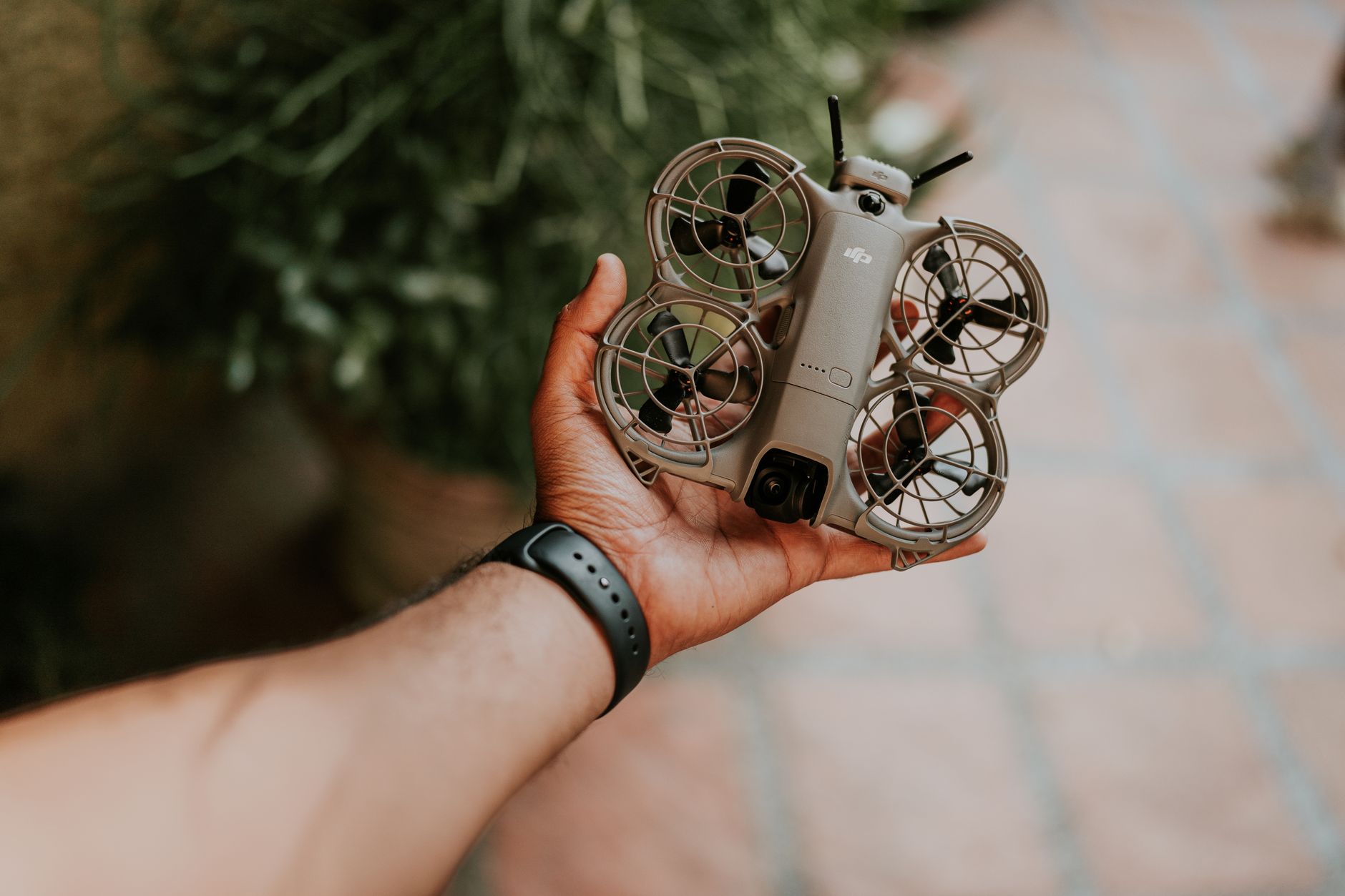
The Black Hornet is not a drone you can buy at a consumer electronics store. It is a military nano UAV built by Teledyne FLIR for soldiers who need eyes in tight spaces. Weighing just 33 grams, it flies for 25 minutes and sends live thermal video back to a handheld controller. That combination of size and capability has made it the benchmark for nano drones. Consumer pilots cannot access that technology. Instead, they look at drones like the DJI Mini 4 Pro, Autel EVO Nano+, and Hover X1. These weigh between 80 and 249 grams and offer cameras, GPS, and app control. The rules for flying them vary by country. In the US, the FAA requires registration for drones over 250 grams. In Canada, Transport Canada has its own set of rules. This article compares the Black Hornet to the best civilian alternatives.
Why compare a military drone to consumer models? Because the Black Hornet defines what a nano drone can be. It shows the limit of miniaturization: 33 grams with thermal imaging and a 2 km range. Consumer drones trade some of that capability for affordability and ease of use. The DJI Mini 4 Pro weighs 249 grams and flies for 34 minutes. The Autel EVO Nano+ has a larger camera sensor. The Hover X1 is even lighter at 125 grams. Each one serves a different purpose. If you are a beginner, you might start with a Ryze Tello at 80 grams. If you need thermal for search and rescue, you will look at drones like the DJI Mavic 3 Thermal. Our best thermal drones guide covers those options. The point is that nano drones come in many forms, and the Black Hornet is the extreme end of the spectrum.
Regulations matter when you fly any drone. The FAA’s drone rules require registration for any drone over 250 grams. That means the DJI Mini 4 Pro and Autel EVO Nano+ sit right at the line. The Hover X1 and Ryze Tello are far below it. Recreational flyers in the US must also pass the TRUST safety test. Commercial pilots need a Part 107 certificate. In Canada, Transport Canada requires registration for drones over 250 grams and a pilot certificate for advanced operations. You can read our drone laws in Canada guide for details. These rules do not apply to the Black Hornet because it is military. But they apply to every alternative in this comparison. Always check local laws before you fly.
Our methodology for this comparison focuses on five factors: weight, flight time, range, camera quality, and ease of use. We pulled specifications from manufacturer datasheets and verified them against independent reviews. The Black Hornet data comes from Teledyne FLIR’s public materials. Consumer drone data comes from DJI, Autel, Hover, and Ryze. We also considered how each drone fits into real flying scenarios. A travel drone needs to fold small. A beginner drone needs to survive crashes. A camera drone needs a good sensor. The Black Hornet is a specialized tool, not a toy. The alternatives are designed for hobbyists, photographers, and commercial pilots. This article helps you understand the trade-offs. For more buying advice, see our best drones for beginners roundup.
How Do the Top Options Compare?
| Drone | Best For | Weight | Flight Time | Range | Camera | Check Price |
|---|---|---|---|---|---|---|
| Teledyne FLIR Black Hornet 3 | Military reconnaissance | 33 g | 25 min | 2 km | Thermal + EO | Military only |
| DJI Mini 4 Pro | Overall consumer nano | 249 g | 34 min | 20 km | 1/1.3-inch 48MP | Check price |
| Autel EVO Nano+ | Camera quality | 249 g | 28 min | 10 km | 1/1.28-inch 50MP | Check price |
| Hover X1 | Pocket portability | 125 g | 8 min | 100 m | 1080p | Check price |
| Ryze Tello | Budget learning | 80 g | 13 min | 100 m | 5MP 720p | Check price |
Weights and flight times are based on manufacturer specifications for the latest models. The Black Hornet is not available for consumer purchase. Prices for consumer drones change often, so use the Check price links for current Amazon pricing.
1. Teledyne FLIR Black Hornet 3 , Best for Covert Military Reconnaissance
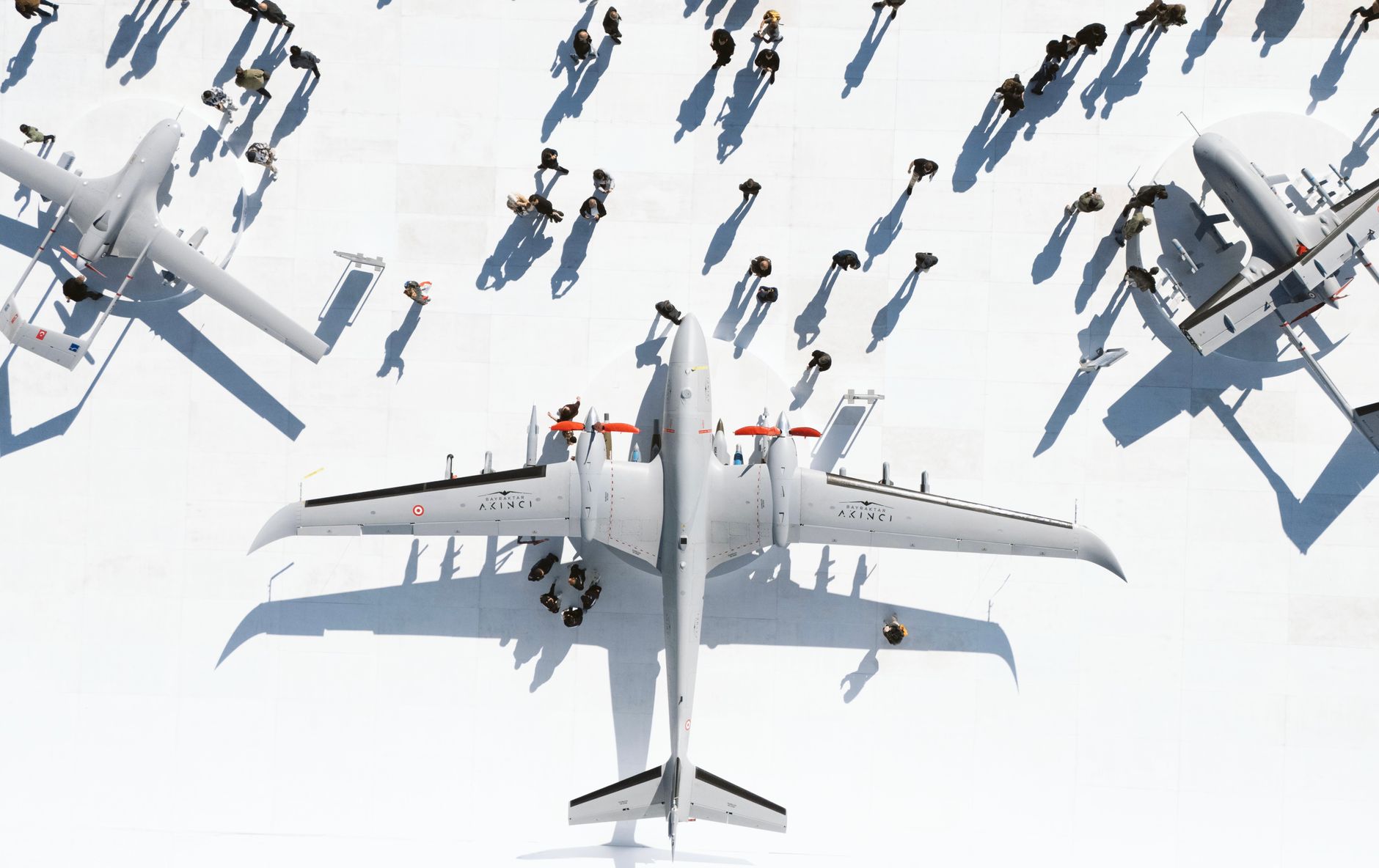
The Black Hornet 3 is a military-grade nano drone that weighs just 33 grams. It flies for 25 minutes on a single charge and has a range of 2 kilometers. The drone carries both thermal and electro-optical cameras, which lets soldiers see in complete darkness. It is small enough to fit in a pocket and quiet enough to go unnoticed. For defense forces, the Black Hornet is a tool for checking buildings and terrain without putting troops in danger. You cannot buy one at a consumer electronics store. The Black Hornet is sold only to military and government agencies through Teledyne FLIR. If you want to understand the rules for flying any drone in the US, start with our guide to drone laws in the USA. The FAA requires registration for drones over 250 grams, but the Black Hornet is far below that threshold. The same is true in Canada, where Transport Canada drone safety rules apply to all drones regardless of weight for commercial use. The Black Hornet sets the benchmark for nano UAVs. Its combination of low weight, long flight time, and thermal imaging remains unmatched in the consumer world.
Key strengths:
- ✅ Weighs only 33 grams, making it the lightest operational military drone.
- ✅ Flies for 25 minutes and reaches 2 kilometers of range.
- ✅ Includes thermal and daylight cameras for day and night missions.
- ✅ Silent electric motors allow for covert observation.
- ✅ Works in GPS-denied environments with visual navigation.
- ❌ Not available for civilian purchase at any price.
- ❌ Requires military training and logistics support.
- ❌ No consumer app or easy setup for hobbyists.
Who it’s for: Military and government agencies that need a pocket-sized surveillance drone with thermal imaging.
2. DJI Mini 4 Pro , Best Overall Consumer Nano Drone
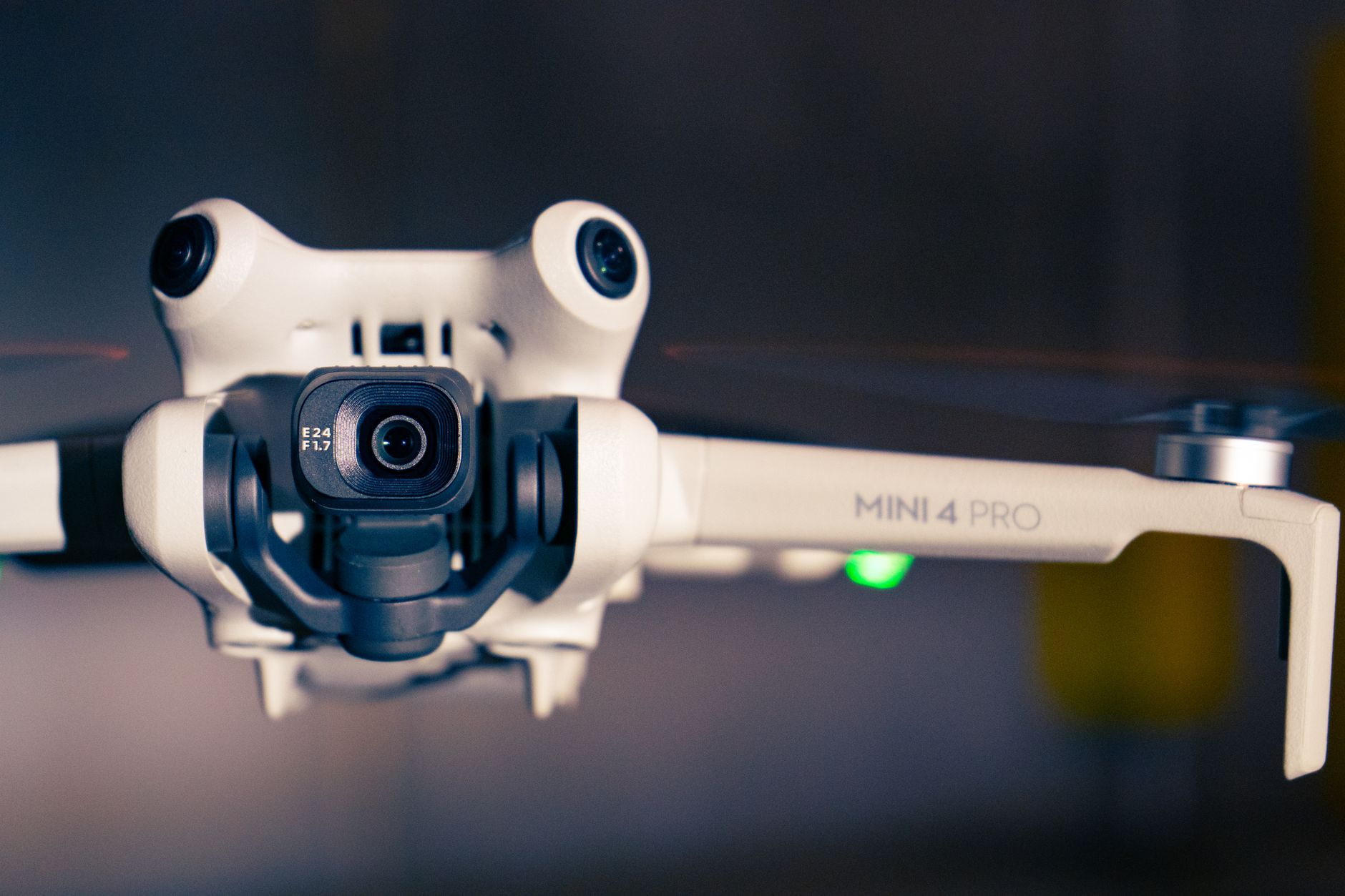
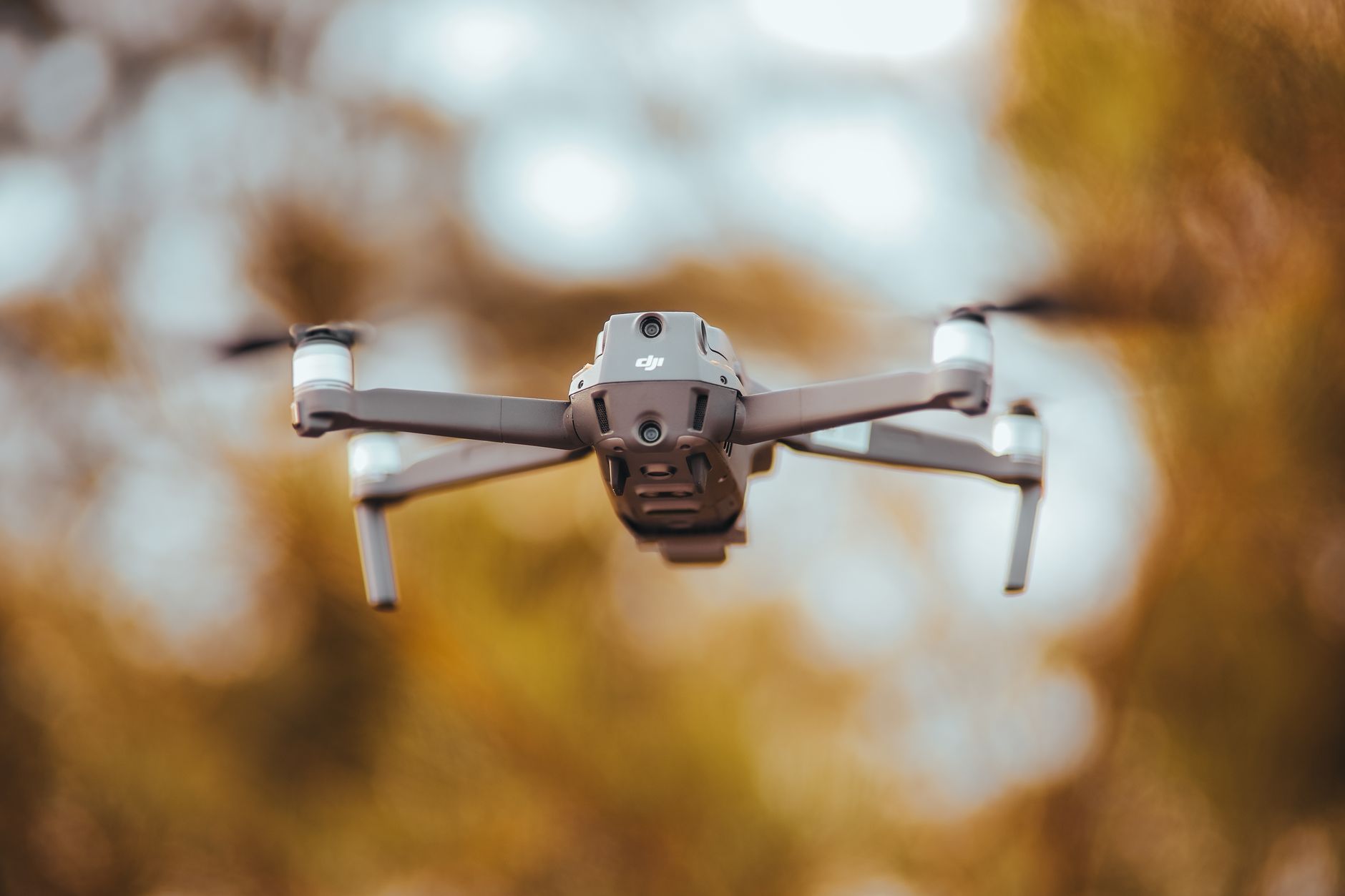
The DJI Mini 4 Pro is the closest thing to a nano drone that you can actually buy. It weighs 249 grams, which is just under the 250-gram threshold that triggers registration in many countries. The drone flies for 34 minutes and has a range of 20 kilometers with the O4 transmission system. Its 1/1.3-inch sensor shoots 48MP photos and 4K video at 60fps. For travel and everyday flying, this is the drone most pilots recommend. You can check our comparison of best DJI drones to see how it stacks up against the Mini 3 and Air 3. The Mini 4 Pro also has omnidirectional obstacle sensing, which the Black Hornet does not. That makes it safer for beginners. The downside is that it still needs Remote ID in the United States. The FAA’s drone registration rules require Remote ID for most drones, even those under 250 grams, when flown under Part 107. Recreational flyers under 250 grams do not need registration, but they must follow safety guidelines. For a travel-ready drone, see our picks for best travel drones in 2026. You can Check the DJI Mini 4 Pro on Amazon for current pricing.
Key strengths:
- ✅ Weighs 249 grams, so it avoids registration in many recreational cases.
- ✅ Flies for 34 minutes and has a 20 km range.
- ✅ 1/1.3-inch sensor captures 48MP photos and 4K/60 video.
- ✅ Omnidirectional obstacle sensing prevents crashes.
- ✅ Folds small enough to fit in a jacket pocket.
- ❌ Requires Remote ID in the US for commercial operations.
- ❌ Struggles in strong wind above 10 m/s.
- ❌ No thermal camera option like the Black Hornet.
Who it’s for: Consumer pilots who want a lightweight, capable drone for travel and aerial photography.
3. Autel EVO Nano+ , Best Camera on a Consumer Nano Drone
The Autel EVO Nano+ weighs 249 grams and flies for 28 minutes. Its standout feature is a 1/1.28-inch CMOS sensor that captures 50MP photos. That is a larger sensor than the DJI Mini 4 Pro, and it shows in low light. The drone records 4K video at 30fps and has a range of 10 kilometers. Autel’s app is less polished than DJI’s, but the camera quality is excellent for the size. You can read our guide to best drones for aerial photography for more camera-focused options. The EVO Nano+ also has forward, backward, and downward obstacle sensing. It does not have the side sensors found on the Mini 4 Pro. For hobbyists who shoot stills more than video, this is a strong alternative. In Canada, the same Transport Canada drone safety rules apply, so you must register the drone if you fly commercially. The 249-gram weight keeps it in the lightest category for most countries. You can Check the Autel EVO Nano+ on Amazon for current pricing.
Key strengths:
- ✅ 1/1.28-inch sensor takes 50MP photos with good low-light performance.
- ✅ Weighs 249 grams and flies for 28 minutes.
- ✅ 10 km range is plenty for visual line of sight flying.
- ✅ Obstacle sensing on front, back, and bottom.
- ❌ Autel app is less stable than DJI Fly.
- ❌ No side obstacle sensors.
- ❌ 4K video is limited to 30fps.
Who it’s for: Photographers who want the best still image quality in a sub-250-gram drone.
4. Hover X1 , Best Pocket-Sized Nano Drone
The Hover X1 is a true pocket drone. It weighs 125 grams and folds into a shape that fits in a jeans pocket. The drone flies for about 8 minutes and has a range of 100 meters. That is short, but the X1 is designed for quick selfies and short clips. It shoots 1080p video and has no GPS hold. You control it with a smartphone app or hand gestures. For kids and beginners, this is a safe first drone because it is light and slow. The Hover X1 does not need FAA registration because it is under 250 grams. Recreational flyers in the US must still follow the FAA’s TRUST safety test before flying. The 8-minute flight time is the main drawback. You will want two or three batteries for a longer session. The Hover X1 is not a competitor to the Black Hornet for surveillance, but it is a fun nano drone for casual use.
Key strengths:
- ✅ Weighs only 125 grams and fits in a pocket.
- ✅ No FAA registration required for recreational use.
- ✅ Simple gesture controls are easy for beginners.
- ✅ Very portable for travel and parties.
- ❌ Only 8 minutes of flight time per battery.
- ❌ 1080p video is not sharp by modern standards.
- ❌ No GPS hold or return-to-home.
Who it’s for: Casual users who want a tiny drone for quick selfies and short videos.
5. Ryze Tello , Best Budget Nano Drone for Learning
The Ryze Tello weighs 80 grams and flies for 13 minutes. It has a 5MP camera that records 720p video. The range is about 100 meters. This is the drone that many pilots start with because it is affordable and safe. It uses DJI’s flight control technology, so it hovers well indoors. You can program it with Scratch for STEM education. For a beginner-friendly path, read our how to fly a drone for beginners guide. The Tello does not have GPS, so it drifts in the wind. It is best for indoor flying or calm days. The 80-gram weight means no registration in the US or Canada for recreational use. However, if you fly commercially, Part 107 rules may still apply. The Tello is not a substitute for the Black Hornet, but it is the cheapest way to learn the basics of nano drone flight.
Key strengths:
- ✅ Weighs 80 grams and costs very little.
- ✅ 13 minutes of flight time is good for the price.
- ✅ Programmable with Scratch for education.
- ✅ Stable indoors thanks to DJI flight control.
- ❌ 720p camera is low resolution.
- ❌ No GPS, so it drifts outdoors.
- ❌ 100-meter range is limited.
Who it’s for: Beginners and students who want a safe, cheap nano drone to learn on.
Frequently Asked Questions
What is the Black Hornet drone used for?
The Black Hornet is used for military reconnaissance. Soldiers deploy it to inspect buildings, tunnels, and open terrain without exposing themselves to danger. It sends live thermal and daylight video to a handheld controller.
Can civilians buy the Black Hornet drone?
No. The Black Hornet is sold only to military and government agencies through Teledyne FLIR. There is no consumer version or public price list.
What is the lightest consumer nano drone?
The Ryze Tello weighs 80 grams. The Hover X1 weighs 125 grams. Both are lighter than the DJI Mini 4 Pro and Autel EVO Nano+, which each weigh 249 grams.
Do I need to register a nano drone with the FAA?
In the United States, you must register any drone that weighs more than 250 grams. Drones under that limit do not need registration for recreational flying. Commercial pilots still need a Part 107 certificate and must follow Remote ID rules.
What is the difference between a nano drone and a micro drone?
Nano drones typically weigh under 250 grams. Micro drones are a broader category that can weigh up to 2 kilograms. The Black Hornet at 33 grams is a true nano drone. The DJI Mini 4 Pro at 249 grams is at the top of the nano class.
How long does a nano drone battery last?
Flight times range from 8 minutes for the Hover X1 to 34 minutes for the DJI Mini 4 Pro. The Black Hornet 3 flies for 25 minutes. Battery life depends on weight, wind, and payload.
What Should You Remember?
- Black Hornet weight: The Black Hornet 3 weighs 33 grams and flies for 25 minutes.
- DJI Mini 4 Pro is 249 grams with 34 minutes of flight time and a 1/1.3-inch sensor.
- Autel EVO Nano+ weighs 249 grams and shoots 50MP photos with a 1/1.28-inch sensor.
- Hover X1 is 125 grams but has only about 8 minutes of flight time.
- Ryze Tello weighs 80 grams and is the best budget nano drone for learning.
- FAA registration is required for drones over 250 grams in the United States.
- Transport Canada requires registration for drones over 250 grams for most operations.
This article is for general information only. Drone regulations vary by region and change frequently , always verify current local laws and airspace rules before flying.