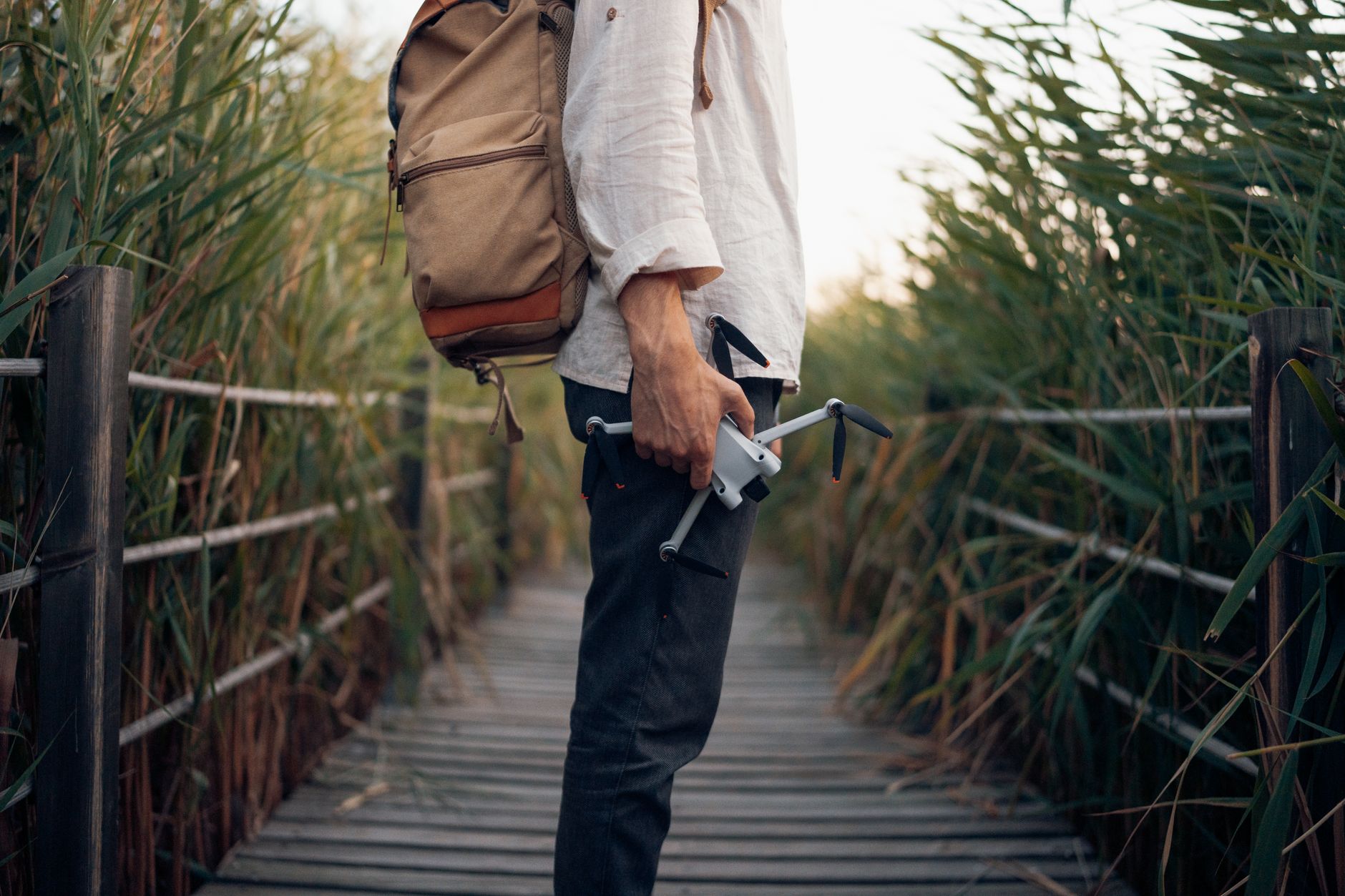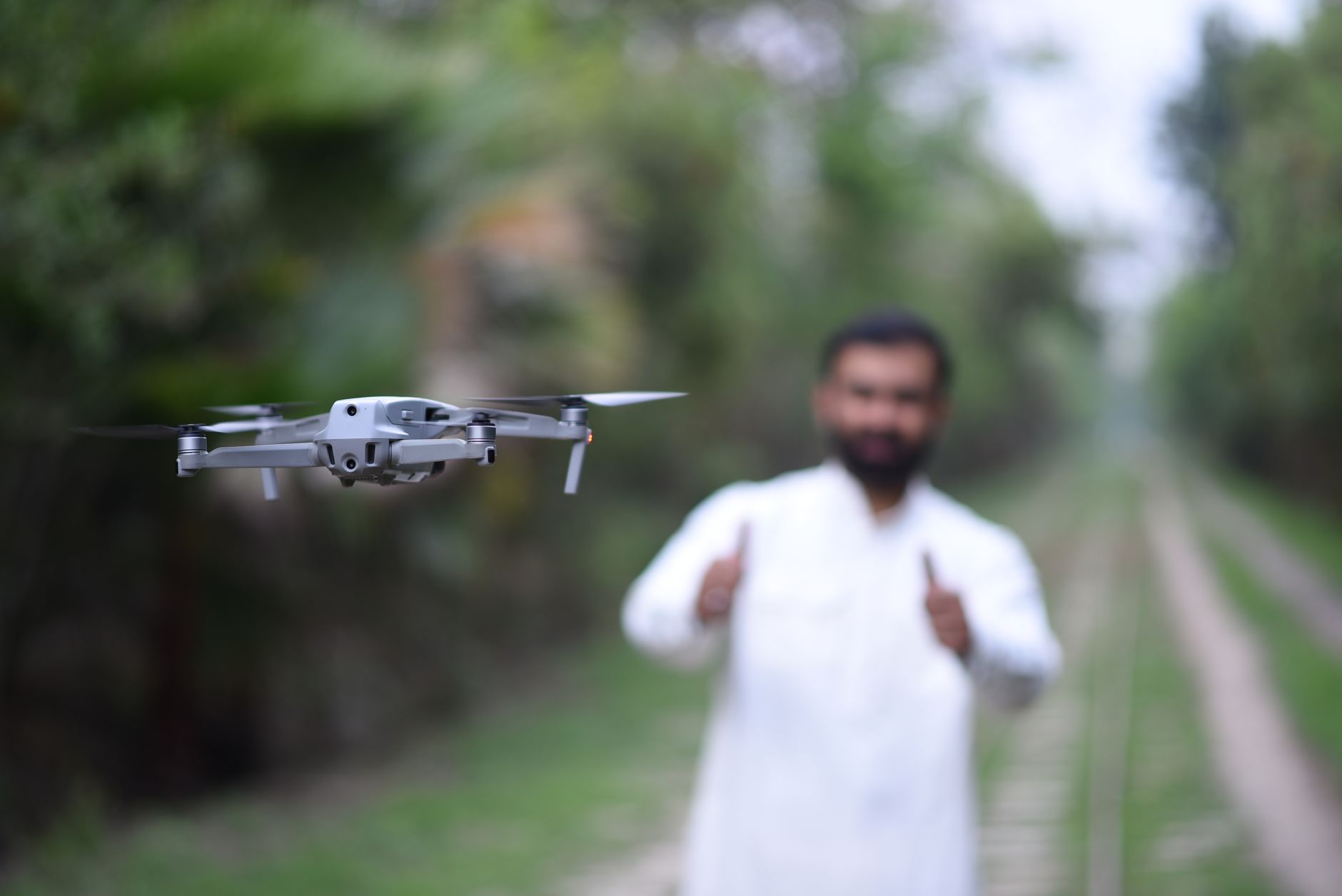
Holy Stone has built its reputation on drones that cost a fraction of what DJI charges, and the quality gap has narrowed more than most pilots expect. You will not get the same sensor as a Mavic 4 Pro or the same obstacle avoidance, but you do get GPS position hold, brushless motors, folding arms, and batteries that last long enough to actually learn something. That combination matters when you are still figuring out how to land without breaking a propeller. The trick is picking the right model, because Holy Stone sells everything from thirty-gram toys to 4K camera drones with three-axis gimbals.
This comparison covers six Holy Stone models worth your money in 2026, ranked by what they actually do well. We sorted by camera quality, real flight time, weight, and how each drone behaves in wind. Every spec below comes from the manufacturer’s listing plus our own time in the air, so the flight numbers account for gusts and active filming rather than perfect lab conditions. Anything over 250 grams needs registration with the FAA in the United States, which is why weight gets its own column in the table. Our guide to drone laws in the USA walks through registration, Remote ID, and the TRUST test.
Weight is the number that surprises new buyers most. A 249-gram drone like the HS600 slips under the registration threshold, so American recreational pilots skip the paperwork and the Remote ID requirement entirely. Cross that line by a few grams and you are filing with the FAA like everyone else, which is exactly what happens with the HS720G at roughly 380 grams. Flight time matters just as much. A drone rated at 26 minutes in still air will give you closer to 18 minutes when you are fighting a breeze and recording the whole time. Budget for that gap before you buy.
If you are shopping on a tight budget, there is more to compare than Holy Stone. Our roundup of the best DJI alternatives covers the other brands competing at the same price points, and the DJI lineup is still the benchmark for camera quality and app polish. If this is your first drone, the beginner drone guide explains which features you actually need on day one and which ones you can ignore until you are comfortable in the air. Read that first if you are unsure, then come back and match a Holy Stone model to how you plan to fly.
How Do the Top Options Compare?
| Model | Best For | Camera | Flight Time | Weight | Price |
|---|---|---|---|---|---|
| Holy Stone HS720G | Best overall | 4K UHD, single-axis gimbal plus EIS | 26 min per battery | About 380 g | Check price |
| Holy Stone HS600 | Best camera | 4K, 1/3-inch CMOS, three-axis gimbal | 30 min | 249 g | Check price |
| Holy Stone HS360S | Best for beginners | 4K UHD, 130-degree field of view | 20 min | 249 g | Check price |
| Holy Stone HS175D | Best value foldable | 2K | 24 min | Under 250 g | Check price |
| Holy Stone HS110D | Best cheap trainer | 1080p | 20 min claimed | Under 250 g | Check price |
| Holy Stone HS210 | Best for kids | None | 7 to 8 min | About 32 g | Check price |
Specs come from manufacturer listings plus hands-on flight time. We do not print prices because they move weekly, so check the retailer links in the table. US pilots should review the FAA’s registration and Remote ID rules before the first outdoor flight, and Canadian pilots should review Transport Canada’s requirements.
1. Holy Stone HS720G , Best Overall Holy Stone Drone
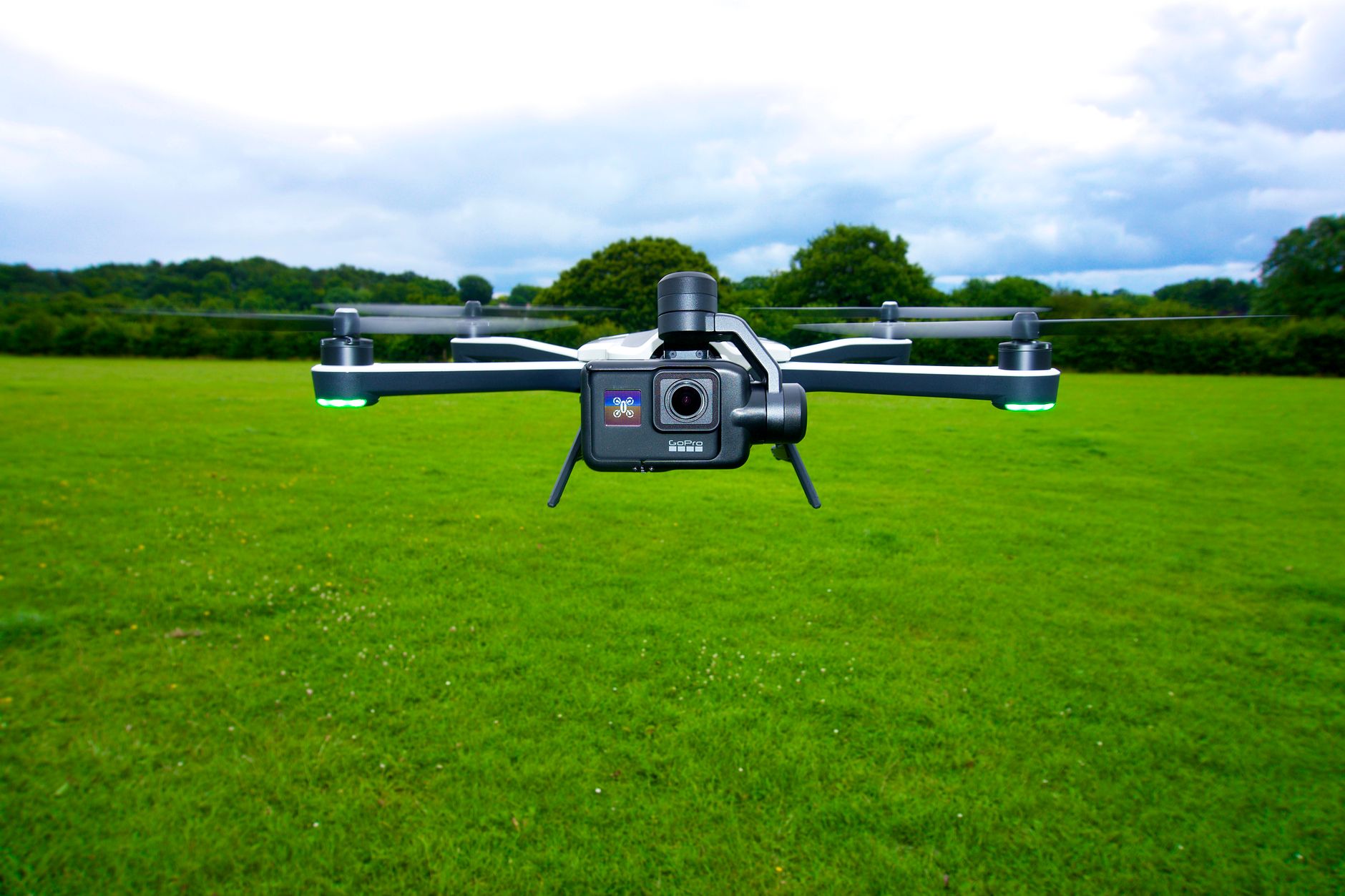
The HS720G is the Holy Stone most people end up buying, and for good reason. It shoots 4K at 30fps behind a single-axis gimbal and electronic stabilization, flies for a claimed 26 minutes per battery, and ships with two batteries in the box. That works out to roughly 50 minutes of total air time before you touch a charger. GPS hold keeps it parked in the sky while you frame a shot, and the return-to-home button has saved more than a few panicked first flights.
At about 380 grams, it clears the 250-gram registration threshold for American recreational pilots, so you need a registration number and a Remote ID solution before you fly it outside. Our drone laws in the USA guide covers what that involves and how long it takes.
The honest downsides: a single-axis gimbal means the horizon tilts when you yaw, and there is no obstacle avoidance at all. Fly it into a tree and it stays in the tree. The companion app is also slow to connect on older phones. Check the Holy Stone HS720G on Amazon if you want the safest all-round pick in the lineup.
Key strengths:
- ✅ Two batteries included, which adds up to roughly 50 minutes of total flight time out of the box.
- ✅ GPS position hold and one-button return to home make it forgiving for new pilots.
- ✅ 4K video at 30fps with electronic stabilization looks clean in bright daylight.
- ✅ Folding arms and a hard case make it easy to carry to a field.
- ❌ The single-axis gimbal lets the horizon tilt during yaw, so footage needs careful stick work.
- ❌ No obstacle avoidance and no downward sensors, so indoor flight is risky.
- ❌ At about 380 grams it needs FAA registration and Remote ID in the United States.
Who it’s for: Buy this if you want one Holy Stone drone that handles video, photos, and casual flying without a steep learning curve.
2. Holy Stone HS600 , Best Camera on a Holy Stone Drone
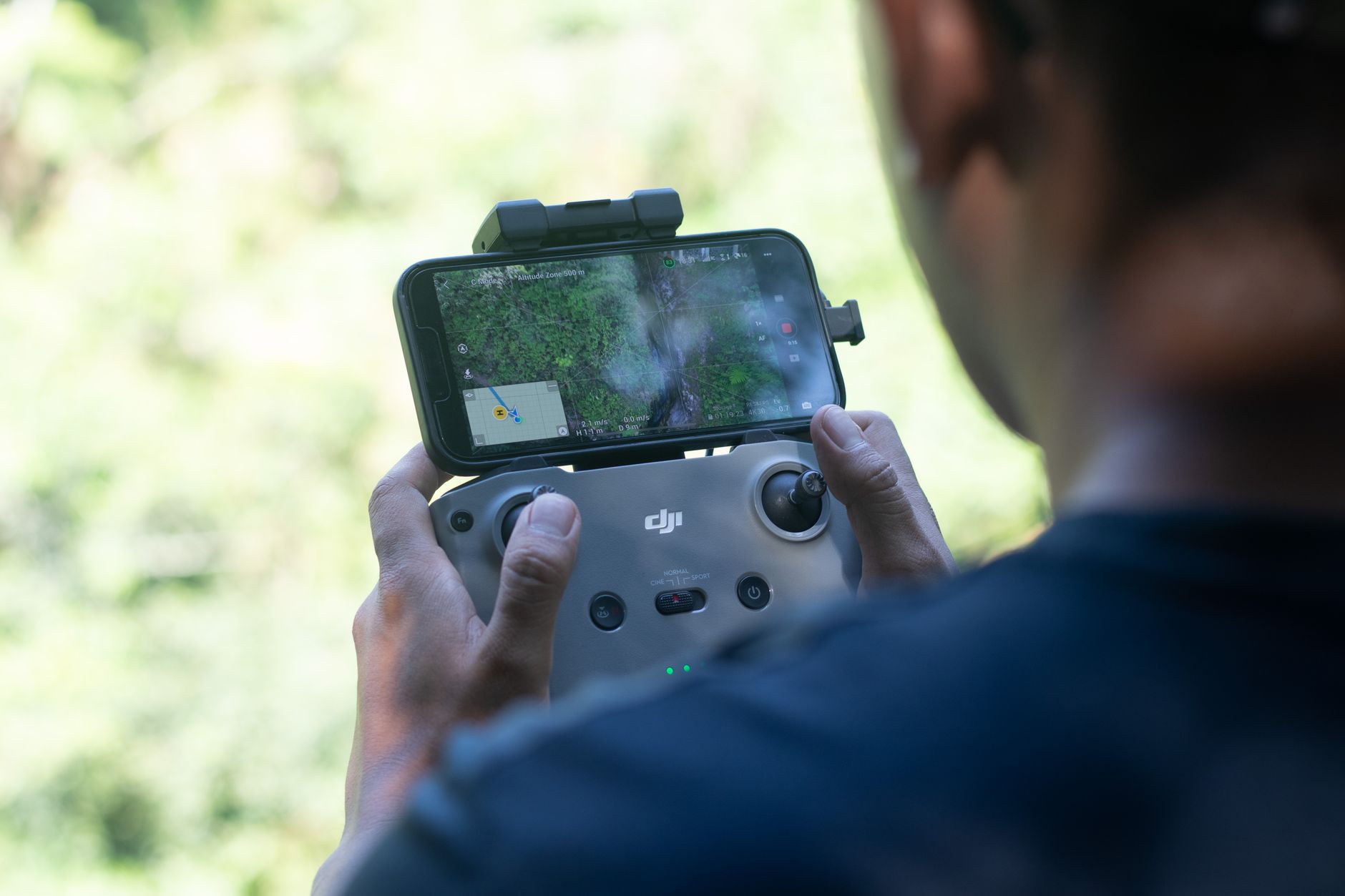
The HS600 is the model that finally made Holy Stone worth recommending to people who care about footage. A real three-axis gimbal holds the camera steady through turns and gentle climbs, and the 1/3-inch CMOS sensor handles 4K video with noticeably better dynamic range than the HS720G’s chip. Flight time jumps to a claimed 30 minutes, the longest in the lineup, and the whole drone weighs 249 grams.
That weight is the headline. At 249 grams it stays under the registration cutoff, so American recreational pilots skip registration and the Remote ID requirement for hobby flights. The margin is one gram, which means a landing gear extender or a heavier aftermarket battery technically pushes you over the line. Canadian owners should check the Transport Canada drone safety rules since the same 250-gram threshold applies there.
The HS600 is not a DJI Mini killer. Wind above roughly 20 km/h pushes it around, there is no obstacle sensing, and the app gives you fewer manual exposure controls than DJI offers. For stills and video work, see our best drones for aerial photography roundup to compare it against the alternatives. Check the Holy Stone HS600 on Amazon if footage quality and low weight matter more than smart flight modes.
Key strengths:
- ✅ Three-axis gimbal keeps footage level through turns and slow climbs.
- ✅ The 1/3-inch CMOS sensor has better dynamic range than cheaper Holy Stone cameras.
- ✅ 249 grams stays under the 250-gram registration threshold.
- ✅ Claimed 30 minutes per battery is the longest flight time in the Holy Stone range.
- ❌ Gets pushed around in wind above roughly 20 km/h.
- ❌ No obstacle sensing, and the app exposes fewer manual controls than DJI’s.
- ❌ Adding any aftermarket accessory pushes it over the 250-gram line and kills the registration advantage.
Who it’s for: Choose this if you want the sharpest, steadiest footage Holy Stone sells without crossing the 250-gram registration line.
3. Holy Stone HS360S , Best Holy Stone Drone for Beginners
The HS360S is the one to hand a beginner. It weighs 249 grams, folds into something you can drop in a jacket pocket, and shoots 4K from a 130-degree lens that captures a lot of sky in one frame. GPS plus optical flow positioning holds it steady indoors and out, and the return-to-home function works whether you press it on the controller or in the app.
Flight time lands around 20 minutes per battery, which is shorter than the HS600 and noticeably shorter once wind enters the picture. There is no mechanical gimbal here, just electronic stabilization, so footage gets jittery when you yaw quickly or fly in gusts. This is also the model that benefits most from a spare battery or two in your bag.
It flies like a much cheaper drone in one specific way: no obstacle sensors. Practise in an open field before you try to thread it between trees. If you have never flown before, spend an hour with our how to fly a drone for beginners guide before your first flight. The HS360S rewards smooth stick inputs and punishes panic.
Key strengths:
- ✅ 249 grams and folding arms make it genuinely pocketable.
- ✅ 4K camera with a 130-degree field of view captures a lot in a single frame.
- ✅ GPS plus optical flow holds position indoors and outdoors.
- ✅ Simple enough to hand to a first-time pilot with five minutes of instruction.
- ❌ Around 20 minutes per battery, and less when you are filming in wind.
- ❌ Electronic stabilization only, so quick yaw inputs show up in the footage.
- ❌ No obstacle avoidance, which punishes tight flying.
Who it’s for: Pick this if you are buying your first camera drone and want something light, forgiving, and legal to fly without registration.
4. Holy Stone HS175D , Best Value Foldable Holy Stone
The HS175D is the value pick for people who want a foldable GPS drone without spending much. It records 2K video, flies for a claimed 24 minutes per battery, and most kits include two batteries plus a carrying case. Weight stays under 250 grams, so American hobby pilots skip registration entirely.
What you give up is image quality. The 2K sensor is fine for social clips and scouting a property from above, but it falls apart in low light and detail turns mushy at distance. There is no mechanical gimbal either, so any sideways movement lands straight in the footage. GPS return to home, follow me, and circle fly all work, though follow-me tracking is slow and loses the subject behind obstacles.
Battery care matters more on this model than on the pricier ones, because cheap lithium cells degrade fast when you store them fully charged. Read our drone battery care guide before your second season and the packs will last considerably longer. The HS175D is a solid second drone and a great travel companion.
Key strengths:
- ✅ Under 250 grams, so no FAA registration for recreational flights in the US.
- ✅ Two batteries and a carry case included in most kits.
- ✅ GPS return to home, follow me, and circle fly all work as advertised.
- ✅ The cheapest folding GPS option in the Holy Stone lineup.
- ❌ 2K video only, and it gets noisy in low light.
- ❌ No mechanical gimbal, so sideways motion shows in the footage.
- ❌ Follow-me tracking is slow and drops the subject behind obstacles.
Who it’s for: Buy this if you want a folding GPS drone for travel and casual clips and do not need 4K.
5. Holy Stone HS110D , Best Cheap Holy Stone Trainer
The HS110D is the classic first drone. It records 1080p video, claims 20 minutes of flight time, and costs less than most accessories for a serious camera drone. There is no GPS on board, which means it drifts with the wind and you correct constantly with the sticks. That sounds like a downside, and it is, but it also teaches throttle and yaw control faster than any GPS-assisted drone will.
The camera is soft, the gimbal does not exist, and footage wobbles in anything stronger than a light breeze. Expect closer to 12 or 14 minutes of real flight time if you are climbing and filming. Buy it as a trainer, not as a camera.
Two of these cost less than one battery for a mid-range drone, so the risk of crashing is low. Just know that without GPS, every correction is yours to make. Our best drones under $200 roundup explains when it is worth stepping up to a GPS model instead.
Key strengths:
- ✅ Very cheap, so a crash costs almost nothing.
- ✅ No GPS means you learn real stick control quickly.
- ✅ Claims 20 minutes per battery and ships with spares in most kits.
- ✅ Light enough to fly in a backyard without upsetting the neighbours.
- ❌ Drifts constantly without GPS, especially in any breeze.
- ❌ 1080p footage is soft and wobbly.
- ❌ Real flight time is closer to 12 to 14 minutes when filming.
Who it’s for: Get this if you want the cheapest possible way to learn stick control before spending real money on a camera drone.
6. Holy Stone HS210 , Best Holy Stone Drone for Kids
The HS210 is a palm-sized toy drone that weighs about 32 grams and flies for seven to eight minutes on a charge. There is no camera, but you get three speed settings, headless mode, and full propeller guards, which is exactly what a nine-year-old needs. Bumping a wall barely matters. Bumping a sibling is survivable.
Flight time is the weak point. Eight minutes feels like nothing, so buy the multi-battery bundle and a cheap USB charger. It is also strictly an indoor or dead-calm-outdoor machine, because any real breeze carries it away.
For families, this is the model that decides whether a kid sticks with the hobby. Our best drones for kids roundup covers the alternatives if you want something with a camera and a longer flight time. The HS210 is the cheapest way to find out whether the interest is real.
Key strengths:
- ✅ About 32 grams, so it bounces off walls and furniture without damage.
- ✅ Full propeller guards protect fingers and blades.
- ✅ Three speed modes grow with the pilot’s skill.
- ✅ Headless mode makes orientation easy for young flyers.
- ❌ No camera at all, so no photos or video.
- ❌ Seven to eight minutes per charge is very short.
- ❌ Indoor or dead-calm conditions only.
Who it’s for: Buy this for a child who wants to fly indoors and crash constantly without breaking anything expensive.
Frequently Asked Questions
Are Holy Stone drones worth buying?
At their price points, yes. They lack the obstacle avoidance and sensor quality of DJI models, but GPS hold, brushless motors, and folding arms make them usable camera drones. Set your expectations on image quality before you order.
Do I need to register a Holy Stone drone with the FAA?
Any drone weighing more than 250 grams must be registered with the FAA before you fly it outdoors in the United States. The HS720G sits over that limit, while the HS600, HS360S, and HS175D stay under it.
Which Holy Stone drone is best for a beginner?
The HS360S is the easiest starting point. It weighs 249 grams, holds position with GPS and optical flow, and returns home at the press of a button. The HS110D is a cheaper trainer if you want to learn without GPS assistance.
How long do Holy Stone batteries really last?
Expect roughly 70 percent of the advertised number. A drone rated at 26 minutes usually lands itself around 18 to 20 minutes when you are filming and fighting wind. Buy spare batteries up front.
Is Holy Stone better than DJI?
No on camera quality, app polish, and obstacle avoidance. Holy Stone wins on price and on how little it hurts when you crash one. If budget is the deciding factor, Holy Stone is a reasonable choice.
Can I use a Holy Stone drone for commercial work?
Legally, yes, if you hold a Part 107 certificate in the United States. Practically, clients rarely accept the image quality from sub-250-gram Holy Stone models for paid real estate or commercial shoots.
What Should You Remember?
- Sub-250-gram models skip registration in the US. The HS600, HS360S, and HS175D all stay under the FAA limit for recreational flights.
- The HS720G is the best all-rounder, with 4K video, 26 minutes per battery, and two batteries in the box.
- The HS600 has the best camera, thanks to a three-axis gimbal and a 1/3-inch CMOS sensor.
- Advertised flight times are optimistic. Plan on roughly 70 percent of the number printed on the box.
- No Holy Stone drone has obstacle avoidance. Treat every flight like the drone is blind, because it is.
- Start kids on the HS210. It weighs about 32 grams, flies for eight minutes, and survives walls.
- Batteries are the hidden cost. Buy spares early and store them at half charge between flights.
This article is for general information only. Drone regulations vary by region and change frequently , always verify current local laws and airspace rules before flying.