Drone insurance is not as simple as car insurance. Many new pilots assume their homeowners or renters policy covers drone crashes. That assumption often fails when you file a claim. In 2026, drones are smarter, lighter, and more common. They also crash in more expensive ways. A gimbal repair, a flyaway, or a damaged third-party roof can cost more than the drone itself. This guide explains when coverage makes sense. It also covers the rules from the FAA and Transport Canada. You will learn what to look for before you fly.
The short answer is that many recreational pilots do not need a policy by law. But need and should are different. If you fly a sub-250 gram drone in an open field, your risk is low. If you fly a heavier drone near cars, buildings, or people, your risk rises fast. For example, the DJI Mavic 3 Pro can reach speeds over 40 mph. At that speed, a prop strike can damage property or injure someone. Liability claims are rare but not zero. The FAA has registered nearly 1 million drones in the United States. With more drones in the air, more incidents get reported. Before building my own checklist, I review the drone laws in the USA and drone laws in Canada every season.
This article is for recreational flyers, side-hustle pilots, and small commercial operators. You will see what different policies actually cover. You will also see how much they cost in 2026. I will compare on-demand coverage with annual liability and hull insurance. If you are new, start with the best drones for beginners to lower your learning-stage risk. But do not skip insurance just because your drone was cheap. A $400 drone can still cause a $5,000 injury claim. That gap is why insurance exists. Many insurance providers now offer short-term plans through mobile apps. You can buy coverage for one afternoon and cancel it when you land.
| Coverage Type | Best For | Typical Annual Cost | What It Covers |
|---|---|---|---|
| On-demand liability | One-time recreational or commercial shoots | $5 to $15 per day | Third-party bodily injury and property damage |
| Annual liability | Regular recreational and commercial pilots | $60 to $200 | Third-party claims with $500K to $1M limits |
| Hull insurance | Pilots with drones over $500 | $80 to $300 | Repair or replacement after crash, sometimes theft |
| Full commercial | Businesses and fleet operators | $500 to $1,200 | Liability plus hull, payload, and theft |
What Does Drone Insurance Actually Cover in 2026?
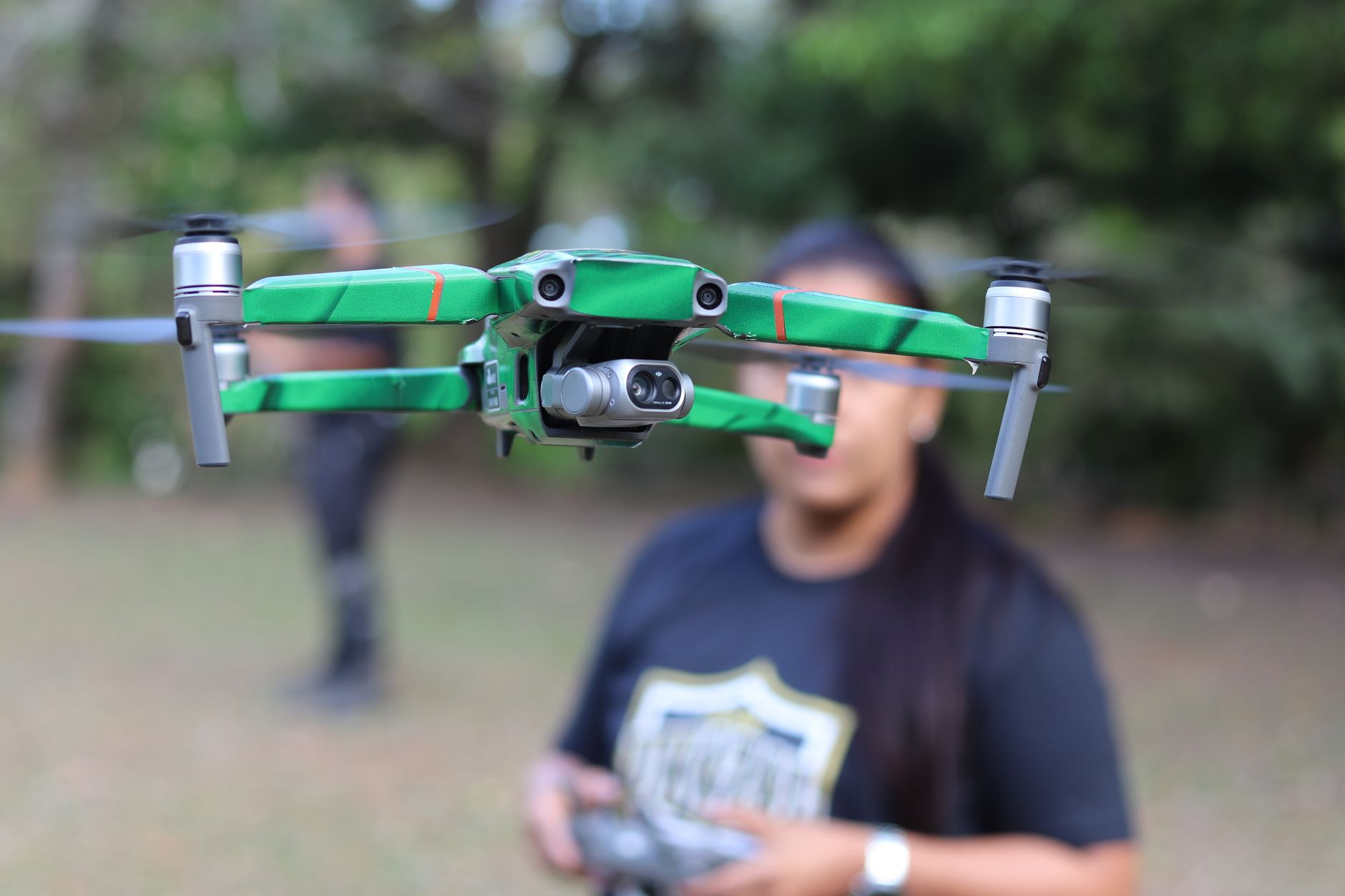
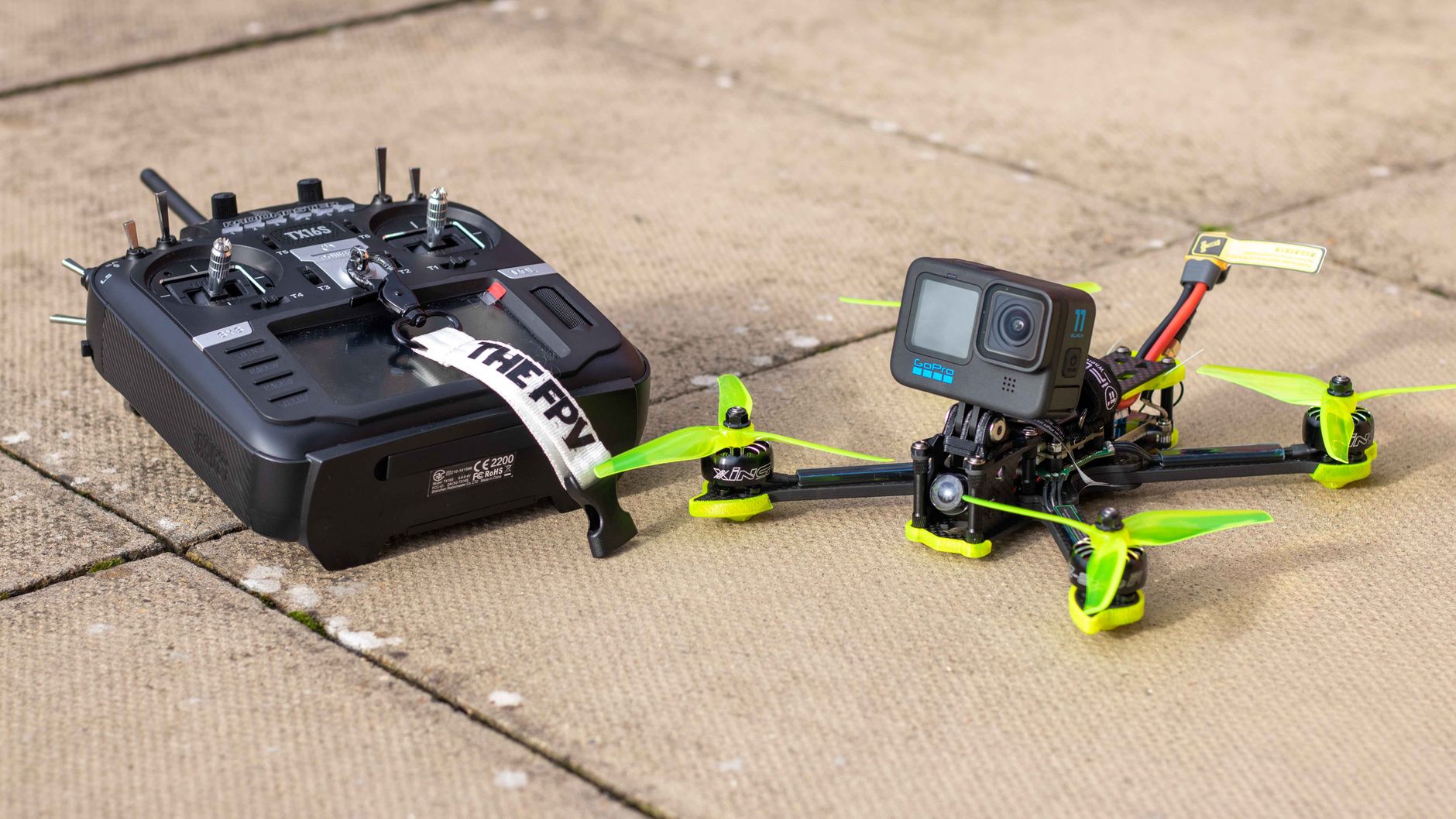
Most policies split into two main parts: liability and physical damage. Liability covers harm you cause to other people or property. Physical damage, often called hull coverage, covers your drone. Some policies also cover theft, flyaway, and electronic failure. If you fly an FPV drone, check whether the policy covers high-speed crashes. Many standard policies do not. You should also ask about water damage coverage if you fly near lakes or oceans. Travel pilots often realize too late that a lost drone is not automatically covered. Liability is the more important piece for most pilots. A falling drone can dent a car, break a window, or injure a bystander. Medical bills add up fast. The average emergency room visit for a laceration can exceed $1,200 in the United States. Without liability coverage, that comes out of your pocket. Many annual policies include $500,000 to $1 million in liability limits. That may sound high, but it matches what commercial clients expect. Hull coverage is trickier. Some policies cover only manufacturer defects, not pilot error. Others cover water damage only if you buy a separate rider. Read the fine print before you fly over water. A small foldable drone may be easier to lose in a new city. Theft from a rental car may or may not be covered. Ask your provider about deductibles. A $250 deductible is common for hull claims.
- Liability: third-party bodily injury and property damage
- Hull: repair or replacement for your drone
- Theft and flyaway: often optional add-ons
- Payload: extra coverage for cameras or sensors
Do You Legally Need Drone Insurance in the US or Canada?
The FAA does not currently require drone insurance for recreational or Part 107 operations. That surprises many new pilots. Federal rules focus on registration, airspace, and pilot certification. Some states or local governments may add their own requirements. Industry surveys suggest fewer than 1 in 4 recreational pilots carry drone insurance. Before you fly, take the free FAA TRUST test. It covers basic safety rules and takes about 30 minutes. Transport Canada also does not mandate insurance for basic operations. But advanced certificate holders and many commercial clients expect proof of liability coverage. In the United States, recreational pilots must follow the recreational exception under 49 U.S.C. 44809. The FAA does not ask for insurance under that exception. Part 107 pilots also do not need insurance to hold a certificate. However, many drone service agreements and venue permits do. If you want to fly for real estate photography or inspections, clients may ask for a certificate of insurance. The how to get a drone license guide explains the certificate steps. Once you have the certificate, insurance becomes a normal business line item. Canada has a similar pattern. Basic operations, which include smaller drones in uncontrolled airspace, do not require liability insurance. Advanced operations require a pilot certificate and an operations review. Transport Canada recommends liability insurance and may ask for it during an inspection. Check the specific rules before you fly north. Rules change with airspace class and drone weight.
How Much Does Drone Insurance Cost in 2026?

Cost depends on drone value, use type, and coverage limits. For recreational pilots, annual liability coverage can start around $60 per year. Add hull coverage for an $800 drone and expect $100 to $200 per year. On-demand plans are popular. You can insure a single day for $5 to $15. Companies like SkyWatch and AirModo provide hourly or monthly plans. I will not list exact quotes because rates change. But these numbers are a good starting point. Commercial operators pay more. A small real estate photographer flying a DJI Mini 4 Pro might pay $500 to $900 per year for $1 million in liability. That includes hull coverage up to $1,000. If you fly a heavier mapping drone, your premium can climb. A thermal inspection drone can cost more to insure. Insurers look at the drone weight, camera value, and your flight hours. They also ask where you fly. One big factor is where you fly. Flying near airports or over crowds increases risk. Insurers may ask about your operations manual. A clean training record helps. Some ask for proof of the FAA TRUST certificate. Others ask for a Part 107 certificate. New pilots should first learn how to fly before buying a policy. Start with a structured training routine and log your hours. Practice in open fields and small parks. That can lower your premium over time.
- Drone value: a $400 drone costs less to insure than a $1,500 drone
- Coverage type: liability only is cheapest; hull and theft add cost
- Use: commercial work raises rates
- Location: flying near controlled airspace increases risk
What Happens If You Fly Without Drone Insurance?
Most flights end safely. But when something goes wrong, the costs can climb quickly. A common claim is a flyaway. If your drone loses connection and never returns, you lose the aircraft. Without hull coverage, you replace it yourself. Many mid-range drones cost $600 to $1,500. Add a camera gimbal repair and the bill can reach $400. You can see why a $10 monthly premium may be worth it. Liability is the bigger risk. Suppose your drone hits a parked car. A windshield replacement can run $300 to $700. A roof inspection drone that damages a skylight could cost $1,000 or more. If you injure someone, medical and legal costs can spiral. Emergency room visits commonly exceed $1,200. A broken wrist can cost $8,000 or more. These are not theoretical. As drone use grows, property damage claims grow too. Flying without insurance can also hurt your business. Many real estate agencies and construction firms require proof of liability before hiring a drone pilot. The same applies to film sets and events. If you cannot show a certificate of insurance, you may lose the job. Check the best drones for real estate to see what clients expect. A small insurance policy can be the difference between winning and losing a contract.
How Do You Choose the Right Drone Insurance Policy in 2026?
Start with your risk profile. Recreational pilots who fly a sub-250 gram drone in a park may only need on-demand liability. Commercial pilots should carry annual liability with at least $1 million. If your drone is expensive, add hull coverage. If you travel with your drone, look for a policy with theft and flyaway included. For a more stable investment, compare the best DJI drones compared before choosing a model. The drone replacement cost directly affects hull premiums. Read the exclusions carefully. Many policies exclude racing, flying over crowds, or operating beyond visual line of sight. Some exclude night flights unless you have a waiver. Others require a GPS tracker or recovery system. The FAA has specific rules for flying over people and at night. Your insurance may mirror those rules. If you break a regulation, the insurer can deny the claim. Keep your TRUST certificate and any waivers on file. Ask about deductibles. A $250 deductible is common for hull claims. Liability claims often have no deductible. Some providers bundle equipment coverage with liability. Others sell them separately. If you have multiple drones, look for fleet coverage. This can cost less than separate policies. Also consider adding payload coverage if you carry cameras or sensors. A broken gimbal guard or landing pad is usually not covered.
Frequently Asked Questions
Do recreational drone pilots need insurance?
The FAA does not require recreational drone insurance. Transport Canada also does not mandate it for basic operations, but coverage is strongly recommended. Without insurance, you cover repair and liability costs yourself.
Does homeowners insurance cover drone crashes?
Most homeowners or renters policies exclude aircraft. Some may cover your drone as personal property if it is stolen from your home, but liability for flight is usually not covered. Check your policy before relying on it.
Is drone insurance required for Part 107 commercial pilots?
The FAA does not require insurance for Part 107 flights. However, many clients, venues, and state agencies require a certificate of insurance before you can fly for pay. Liability coverage is a common business requirement.
What is the average drone insurance cost?
Recreational annual liability starts around $60 to $100. Adding hull coverage for a $800 drone may bring the total to $150 to $250 per year. On-demand single-day plans often cost $5 to $15.
Are DJI drones cheaper to insure?
Insurers look at replacement cost and flight risk, not just brand. A DJI Mini 4 Pro is usually cheaper to insure than a Matrice 350 because it costs less and weighs less. Repair availability also helps keep premiums moderate.
Can I buy drone insurance for one day?
Yes. Several providers offer on-demand hourly, daily, or monthly policies through apps. This works well for a single commercial shoot or a vacation. Just make sure the policy covers your specific location and flight type.
What Should You Remember?
- Check the law: The FAA and Transport Canada do not require recreational drone insurance, but commercial clients often do.
- Know your risk: A $500 drone can still cause thousands in property or medical claims.
- Compare policy types: Liability, hull, theft, and flyaway coverage are separate. Do not assume one policy covers all.
- Start small: On-demand plans at $5 to $15 per day work well for one-off flights.
- Read exclusions: Racing, flying over crowds, and night operations are often excluded unless you have a waiver.
- Get certified: A Part 107 certificate or Transport Canada pilot certificate can lower your premium and open job doors.
This article is for general information only. Drone regulations vary by region and change frequently — always verify current local laws and airspace rules before flying.