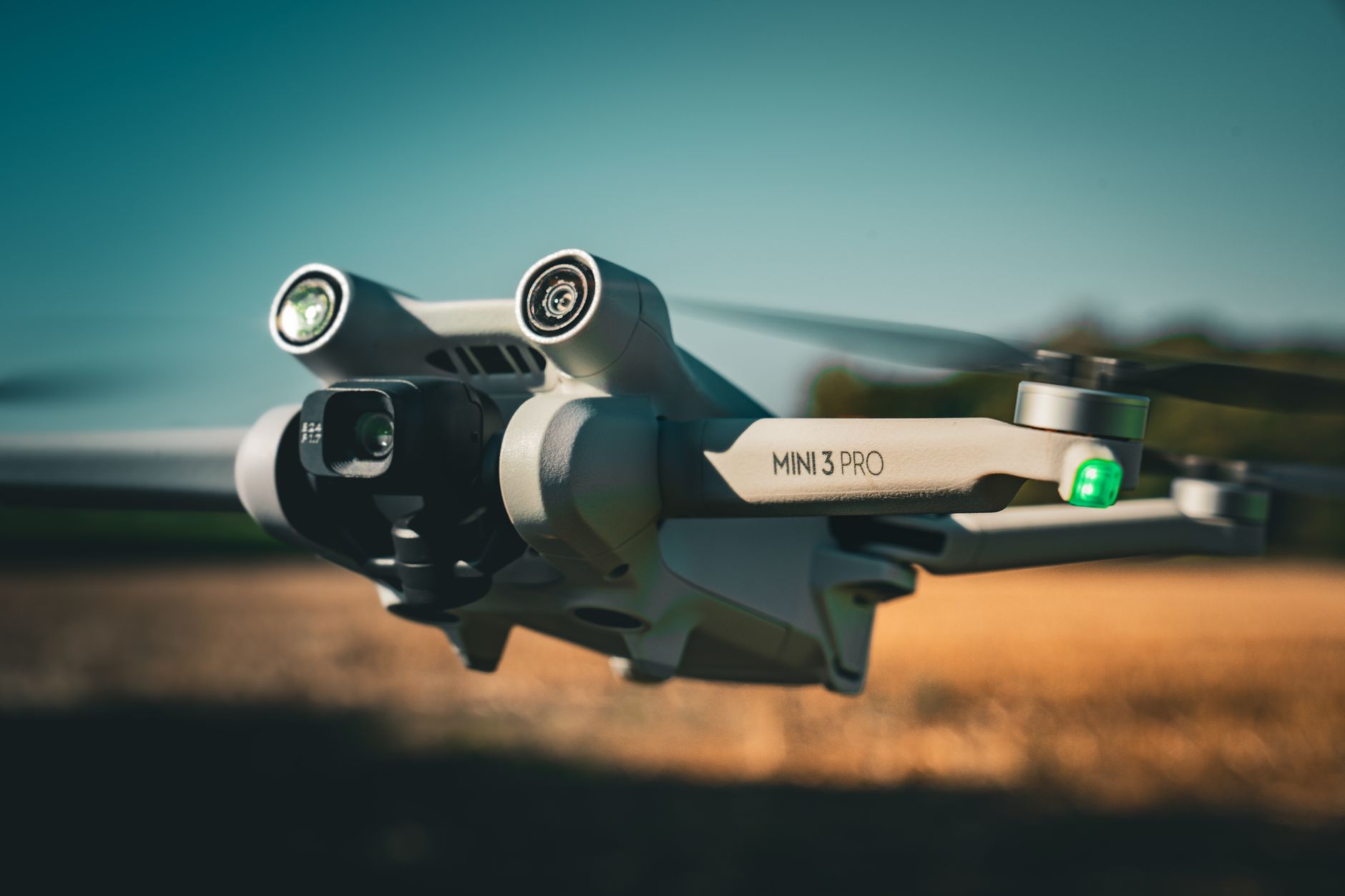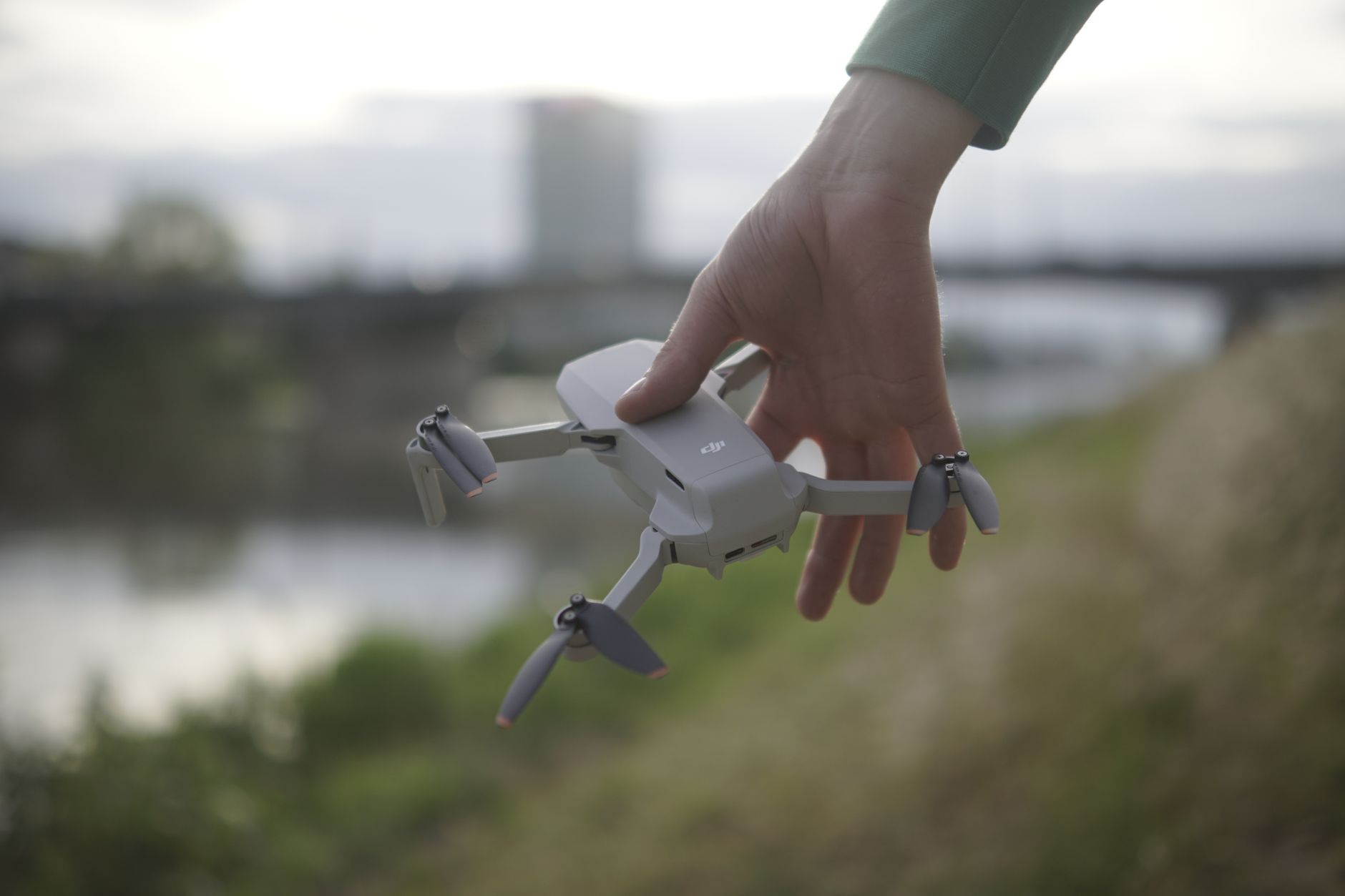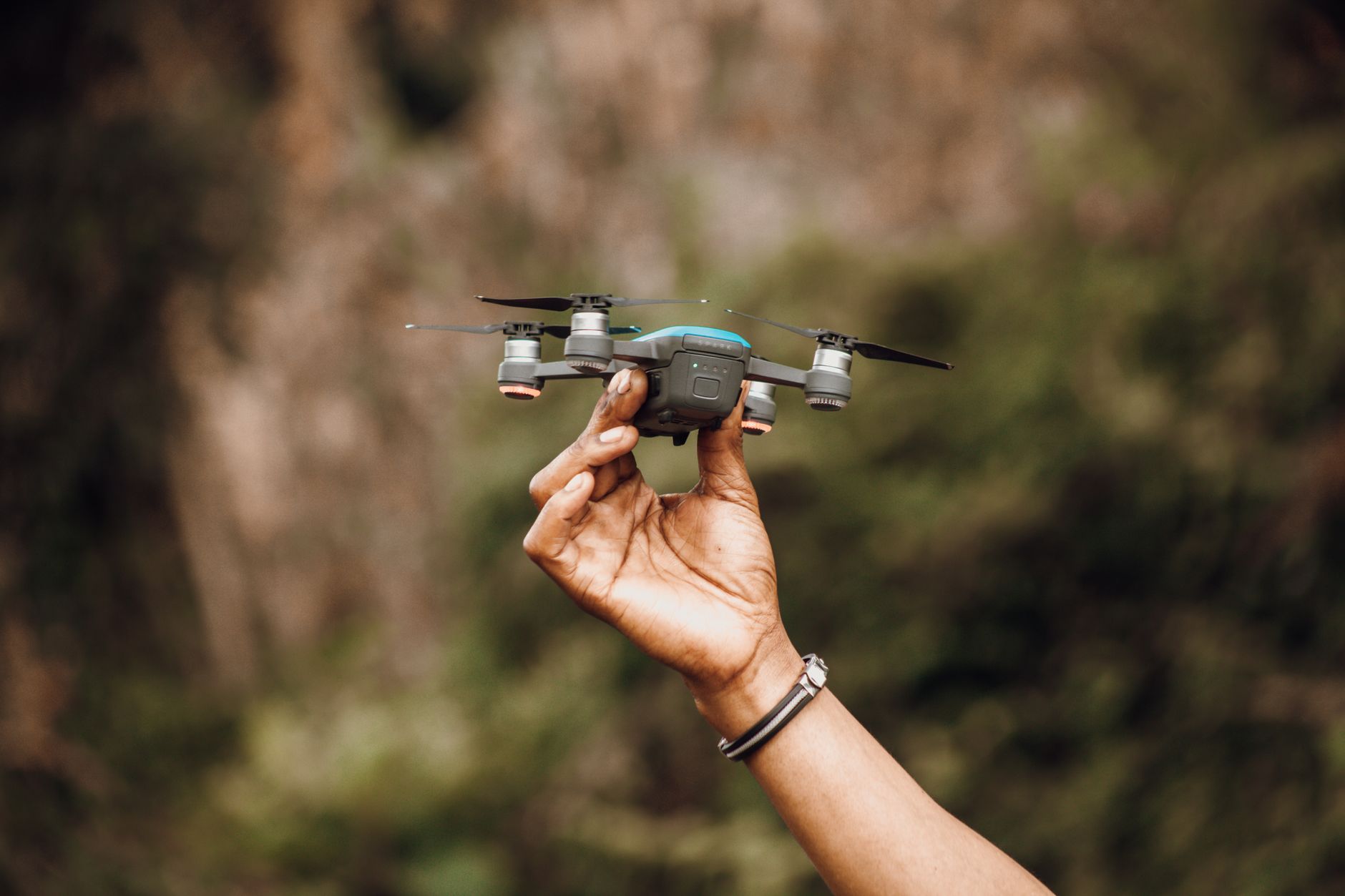
Every drone pilot eventually hits the same wall. A gust of wind, a missed obstacle-avoidance cue, or a battery that quits at 12 percent, and suddenly you are holding a quadcopter with a cracked arm and a gimbal that twitches. The repair question comes next, and it does not have one answer. A DJI Mini 4 Pro weighs 249 grams and flies about 34 minutes per battery, which makes it light enough to break props on a hard landing and expensive enough that a cracked shell is not a two-minute fix. Registration follows the aircraft too, and the FAA’s drone rules cover what changes when a repair swaps the airframe.
We compared five ways to get a broken drone back in the air, from manufacturer programs to mail-in benches to a soldering iron on your own desk. The ranking leans on turnaround time, what each option actually covers, and how much control you keep over the outcome. Parts drive everything. A gimbal ribbon cable for a Mavic 3 Pro with its 4/3 CMOS sensor costs far more than a set of props, and a shop that does not stock it will quote two weeks no matter what its homepage promises. Commercial pilots have an extra layer to think about, and our drone laws in the USA guide covers how Part 107 paperwork interacts with a repaired airframe.
Timing pushes this decision harder than it used to. Remote ID enforcement, tighter Part 107 records, and the flood of sub-250-gram drones make a grounded aircraft more disruptive for working pilots. If you fly real estate, roof inspections, or mapping, a week without your drone is a week of lost jobs. Keeping spare batteries and props on hand softens the blow, and our guide to drone battery care covers the storage habits that prevent the most common failure we see. Repair is rarely just repair. It is a decision about downtime, cash, and how much risk you want to carry on the next flight.
One warning before the table. No repair price holds for long. Labor rates move, shipping costs change, and manufacturers revise replacement fees without notice, so treat every number below as a range rather than a promise. Use the table as a map of tradeoffs, not a quote sheet. Read the section that matches your situation, then file a ticket or call and ask for the diagnosis fee in writing. Ask two shops if you can. The second quote usually tells you whether the first one was reasonable or creative, and the shop that answers clearly is rarely the shop that surprises you later.
How Do the Top Options Compare?
| Repair Option | Best For | Typical Turnaround | What It Covers | Check Price |
|---|---|---|---|---|
| DJI Care Refresh and Official DJI Repair | DJI owners with crash or water damage | 5 to 10 business days plus shipping | Crash damage, gimbals, motors, water damage with Express | Check price |
| Drone Nerds Repair Center | Non-DJI brands and out-of-warranty airframes | 3 to 10 business days once parts arrive | Airframe, gimbal, ESC boards, firmware recovery | Check price |
| Local Independent Repair Shop | Same-week fixes and walk-in drop-offs | 1 to 5 days if parts are in stock | Arms, props, motors, gimbal ribbon cables | Check price |
| DIY Repair With OEM Parts | Pilots who own tools and can solder | Same day to one week | Props, motors, arms, landing gear, battery doors | Check price |
| Insurance and Replacement Programs | Total losses, theft, and commercial fleets | 2 to 14 days for payout or replacement | Full replacement or cash payout after deductible | Check price |
Turnaround times assume parts are in stock and exclude shipping in both directions. Diagnosis fees, labor rates, and replacement fees change often, so confirm the current number with the shop before you ship anything. Many repair centers will not touch an aircraft that has already been opened by the owner, which is worth knowing before you reach for a screwdriver.
1. DJI Care Refresh and Official DJI Repair , Best for DJI owners with serious crash damage

DJI Care Refresh is the manufacturer’s own safety net, and for a bent arm or a drowned gimbal it is usually the shortest path back to the air. You buy a plan that covers a set number of replacements per year, pay a per-claim fee, and DJI either repairs the aircraft or sends a replacement unit. Care Refresh Express, the paid fast-track service, cuts the wait for pilots who cannot afford downtime. The catch is that everything runs on DJI’s schedule, and you are shipping your aircraft to a service center rather than handing it to someone across town.
Coverage is generous but not unlimited. Water damage counts, which matters because a Mavic 3 Pro and its 4/3 CMOS sensor do not survive a lake landing without help. Crash damage counts. Flyaways are covered only on certain plans and only with the right documentation. What is not covered is anything that looks like neglect, and DJI’s technicians make that call after the drone arrives. If the shell has already been opened by a third party, expect a rejection.
One more thing worth checking before you file. If the repair estimate climbs past half the value of the aircraft, a replacement starts to make more sense than a repair, and the newest airframes survive impacts better than the models they replaced. Our DJI Mini 5 Pro review covers how the current generation handles a hard landing and what the specs look like on paper. You can also compare factory specs side by side on the DJI site. If you go the replacement route instead, check the DJI Mini 4 Pro on Amazon as a baseline.
Key strengths:
- ✅ Covers crash damage and water damage, which third-party shops usually refuse
- ✅ Replacement units arrive factory calibrated, so gimbal drift and camera alignment are handled correctly
- ✅ Per-claim fees are fixed and published before you ship the aircraft
- ✅ DJI arranges shipping on most claims, so you are not chasing a courier
- ❌ You cannot inspect the work or talk to the technician who fixed the drone
- ❌ Turnaround runs 5 to 10 business days plus shipping, which hurts working pilots
- ❌ Any prior third-party repair usually voids the care plan entirely
Who it’s for: Choose this if you fly DJI hardware, the damage is worse than a prop swap, and you can live without the aircraft for a week or two.
2. Drone Nerds Repair Center , Best for non-DJI brands and out-of-warranty airframes
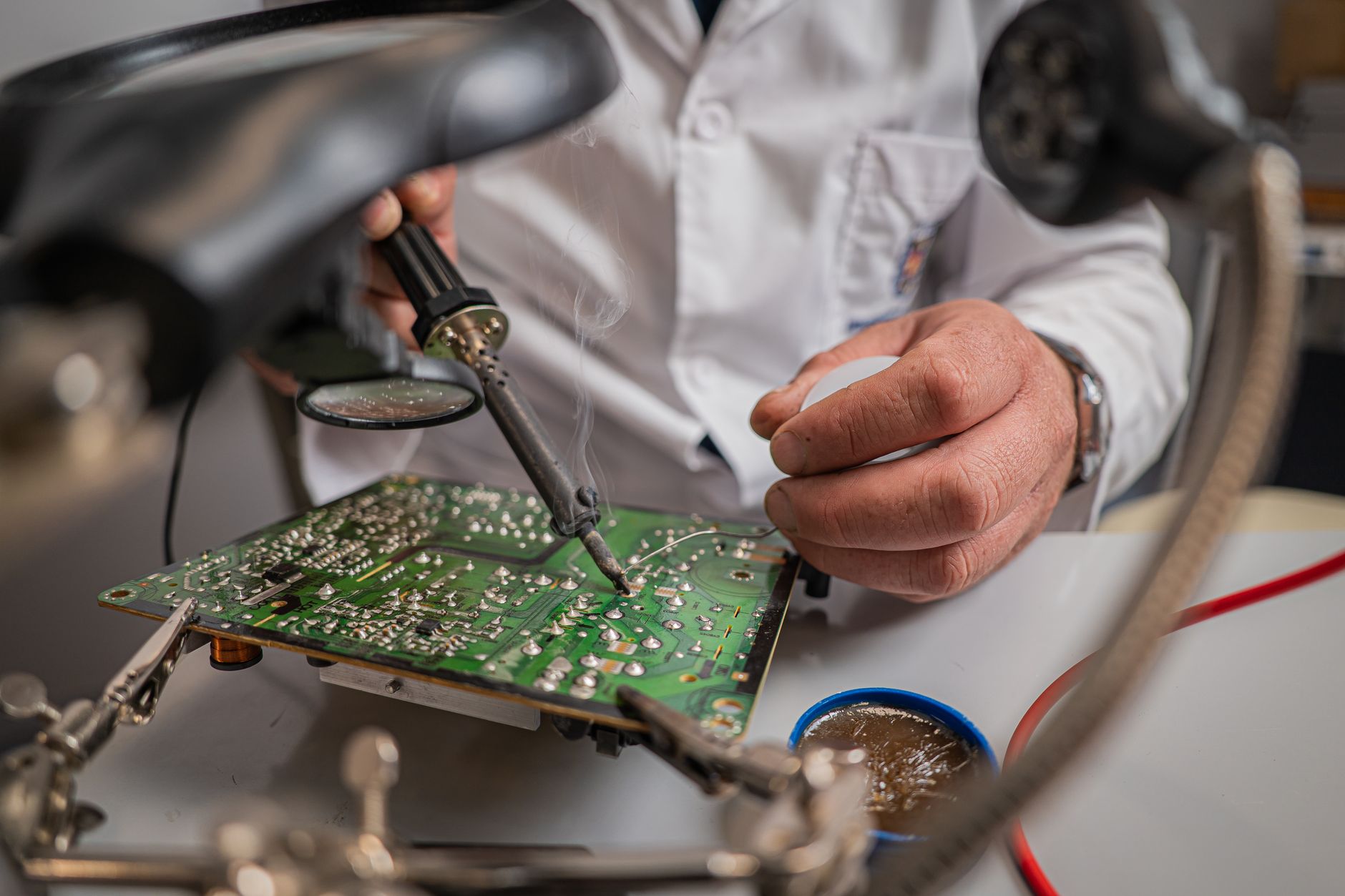
Drone Nerds runs one of the larger independent repair benches in the country, and it takes in Autel, Parrot, Skydio, and older DJI airframes that the manufacturer no longer supports. The process is straightforward: file a request, get a diagnosis fee quote, ship the drone, and wait for a written estimate. Flat-rate diagnosis is the appeal. You know what the assessment costs before anything gets opened, and you can walk away if the estimate is not worth it.
Independent shops also stock parts the manufacturer does not sell directly, including gimbal ribbon cables, ESC boards, and motor sets for discontinued models. If your aircraft is three or four generations old, this is often the only realistic path short of buying something new. Compare what a current model costs against the repair before you commit, and our best DJI drones compared breakdown helps with that math. The Air 3S advertises 45 minutes of flight and a 20 km video link, but a bent arm on any airframe still lands on the same bench.
Turnaround runs 3 to 10 business days once parts arrive, and parts availability is the wild card. A shop with the ribbon cable on the shelf moves fast. A shop waiting on a supplier overseas does not. Ask for the part number and whether it is in stock before you box anything up.
Key strengths:
- ✅ Services brands and models that manufacturer centers have stopped repairing
- ✅ Flat-rate diagnosis, so the assessment cost is known up front
- ✅ Written estimate issued before any repair work begins
- ✅ Parts inventory for discontinued gimbals, ESCs, and motor sets
- ❌ You pay shipping in both directions on most jobs
- ❌ A parts backorder can stretch a one-week repair into three
- ❌ Water damage is excluded from most quotes
Who it’s for: Pick this route when the drone is out of warranty or is not a DJI, and you want a firm estimate before spending anything.
3. Local Independent Repair Shop , Best for same-week turnaround and walk-in drop-offs
The repair shop down the road is the option nobody writes about, and it is often the fastest. A shop that services camera gear or RC models can swap a cracked arm, replace a motor, or re-seat a gimbal ribbon cable in a day or two. You can drive over, watch the diagnosis, and take the drone home the same week. For pilots who have not learned to diagnose their own hardware, that in-person conversation is worth real money. Our best drones for beginners guide flags the models local shops see most often on their benches.
The tradeoff is parts access and documentation. A local shop cannot order a proprietary DJI gimbal assembly the way an authorized center can, so on newer aircraft you may get a referral instead of a quote. Ask three questions before you leave the drone: what the diagnosis fee is, whether they have done this exact repair before, and whether they will use OEM parts. A shop that hesitates on the last question is telling you something useful.
Pricing runs hourly plus parts in most cases, which cuts both ways. A simple prop and landing gear swap can come in cheap. Board-level work can run long. Get the estimate in writing and set a ceiling you are not willing to cross. If the shop is swapping props anyway, check a DJI Mini 4 Pro propeller set on Amazon and bring your own to skip the markup.
Key strengths:
- ✅ Fastest turnaround of any option when parts are in stock locally
- ✅ You can talk to the technician and see the damage on the bench
- ✅ No shipping risk and no waiting on a courier
- ✅ Often cheaper than flat-rate programs on simple mechanical repairs
- ❌ Limited access to proprietary parts on current DJI and Autel models
- ❌ Skill and honesty vary widely from shop to shop
- ❌ Third-party work may void a manufacturer warranty or care plan
Who it’s for: This suits pilots who want the drone back this week and do not mind driving across town to get it.
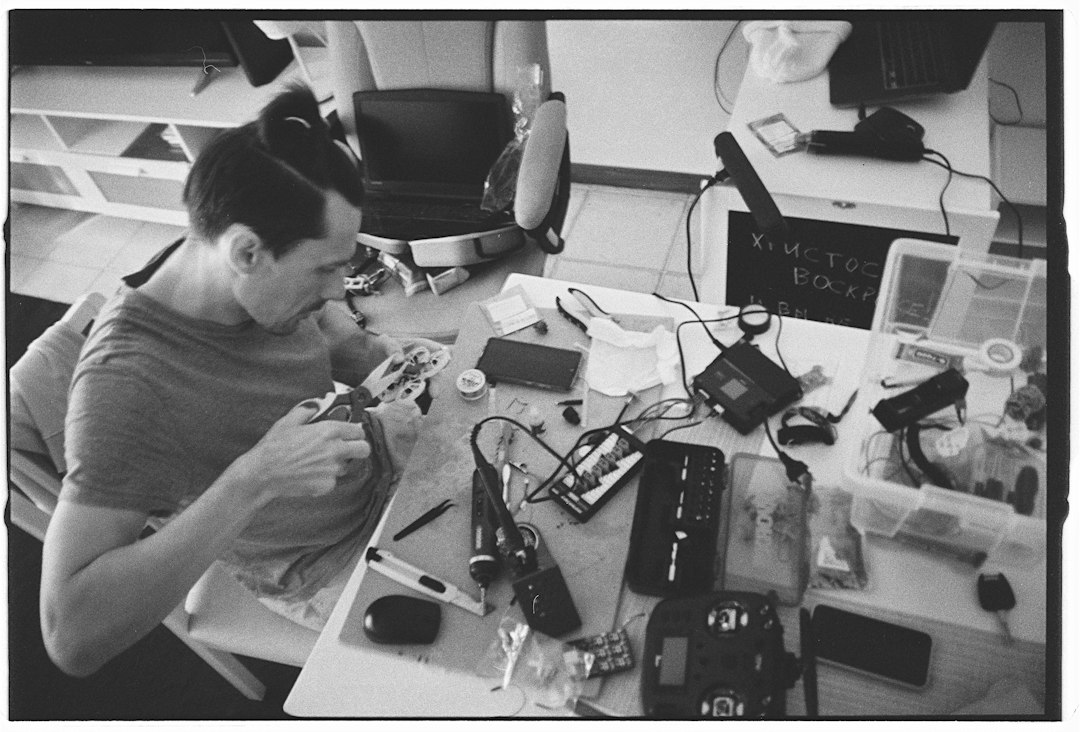
4. DIY Repair With OEM Parts , Best for pilots who own tools and can solder
Everything above costs money and time. A set of props costs almost nothing, and a large share of the repairs that get mailed across the country are prop swaps, landing gear replacements, or a motor that needs two screws and a connector. If you can follow a teardown video and you own a decent driver set, DIY is the cheapest route by a wide margin. The iFixit Mako precision bit driver kit on Amazon covers most of the fasteners you will meet on a modern airframe.
The line is board-level work. Soldering a new ESC or repairing a gimbal ribbon cable takes a fine-tip iron, flux, and steady hands, and one overheated pad turns a cheap repair into a dead flight controller. Know where your skill stops. Props, arms, motors, landing gear, antennas, and battery doors are realistic jobs. Camera modules and gimbal assemblies are usually not.
Two habits separate a good DIY repair from a bad one. Photograph every step as you disassemble, and keep screws sorted by length, because mixing them up is how people crack a shell on reassembly. Recalibrate the IMU, compass, and gimbal after any repair that touches the frame. A drone flying on a bad compass calibration is a flyaway waiting to happen, and our beginner flying guide covers the pre-flight checks that catch it before takeoff.
Key strengths:
- ✅ Cheapest option by far on props, arms, motors, and landing gear
- ✅ Same-day turnaround once the replacement part arrives
- ✅ You learn the airframe, which makes future diagnosis faster
- ✅ No shipping risk and no dependence on someone else’s schedule
- ❌ Board-level and gimbal work is easy to make worse than it started
- ❌ You carry the risk if the repair fails mid-flight
- ❌ Disassembly can void a care plan or a manufacturer warranty
Who it’s for: This is for pilots who already own tools, can follow a teardown video, and accept that a mistake costs them a flight controller.
5. Insurance and Replacement Programs , Best for total losses, theft, and commercial fleets
When the drone is gone rather than broken, repair stops being the question. Hobby insurance riders, commercial policies, and retailer protection plans handle theft, flyaways, and total losses that no bench can fix. For Part 107 pilots flying for clients, the policy matters less for the airframe and more for the liability if something falls out of the sky. Canadian operators run the same math under Transport Canada’s drone safety rules, where registration and pilot certification both shape what a claim looks like.
Deductibles decide whether a claim makes sense. A deductible worth a third of the drone’s value means you are paying for the repair anyway, just with paperwork and a possible rate increase attached. Read the exclusions on flyaways and water damage closely, because those are the two failures owners most want covered and the two insurers most often limit.
For fleets, the practical value is speed. A policy that pays out in days beats a bench that takes two weeks, especially when a job is already booked. If you fly commercially, keep a spare airframe or a backup model on the shelf. That spare costs less than a lost contract, and it keeps a client from calling someone else while your aircraft sits in a queue.
Key strengths:
- ✅ Covers theft and flyaways that no repair shop can fix
- ✅ Liability coverage matters for commercial and Part 107 work
- ✅ Fleet policies can replace an aircraft fast enough to keep a booked job
- ✅ Protection plans spread a total loss across predictable payments
- ❌ Deductibles often approach the cost of a straight repair
- ❌ Flyaway and water damage exclusions are common in the fine print
- ❌ Claims can raise premiums or get a policy dropped at renewal
Who it’s for: Choose this when the drone is a total loss, it was stolen, or you fly commercially and need liability coverage more than you need a repair.
Frequently Asked Questions
How much does drone repair cost?
It depends on the damage and the brand. Prop and landing gear swaps are the cheapest jobs, gimbal and camera repairs cost the most, and board-level work sits in between. Every shop quotes differently, so ask for the diagnosis fee and a written estimate before you ship anything.
Is DJI Care Refresh worth it?
It is worth it if you crash often or fly near water. Water damage is covered and most independent shops will not quote a drowned camera. It is less worth it if you rarely crash, since you pay for the plan and a per-claim fee on top.
Can I repair my own drone without voiding the warranty?
Consumer protection law in the US limits blanket warranty voiding for self-repair, but manufacturer care plans are contracts and many exclude aircraft opened by the owner. Read the terms before you pick up a screwdriver, especially on a drone still under a care plan.
How long does drone repair take?
A local shop with parts on the shelf can finish in one to five days. Mail-in centers and manufacturer service run five to ten business days plus shipping. The real variable is parts availability, not the shop’s advertised speed.
Does a repaired drone need new FAA registration?
If the repair replaced the airframe or changed the serial number, update your registration. Registration and Remote ID broadcast are tied to the aircraft serial, and mismatched records create problems after a crash.
Where can I buy drone parts?
Manufacturer sites, independent repair shops, and hobby retailers all stock parts. OEM replacements fit better and hold calibration longer than generic parts, which matters most on gimbals and motors.
What Should You Remember?
- Match the repair to the damage: props, arms, and landing gear are DIY jobs, while gimbals and boards go to a shop.
- Care Refresh wins on water damage: most independent benches will not quote a drowned camera or gimbal.
- Ask for the diagnosis fee in writing before you ship a drone to any mail-in repair center.
- Parts availability sets turnaround, not the shop’s advertised speed or its homepage promises.
- Photograph every teardown step and sort screws by length to avoid cracking a shell on reassembly.
- Recalibrate IMU, compass, and gimbal after any repair that touches the frame or motors.
- Update your FAA registration if the repair replaced the airframe or changed the serial number.
This article is for general information only. Drone regulations vary by region and change frequently , always verify current local laws and airspace rules before flying.