The DJI Mini 5 Pro arrived in early 2026 with a larger sensor and longer flight time. It still weighs 249 grams, which means recreational pilots in the USA can skip FAA registration. That sub-250g weight is the entire reason the Mini line exists. We flew the Mini 5 Pro against the Mini 4 Pro and Air 3S for three weeks across coastal wind and city corridors. The upgrade path is tempting, but not everyone needs the new camera. If you want a full current lineup review, see our best DJI drones compared guide.
Testing covered manual mode, sport mode, battery drain, and raw photo quality. We shot at dusk, in 20 mph gusts, and inside a parking garage. The 1-inch sensor on the Mini 5 Pro captures visibly cleaner low-light footage than the 1/1.3-inch chip in the Mini 4 Pro. The FAA’s drone registration rules still matter for any drone over 250 grams, but the Mini 5 Pro stays just under that line. Always confirm current rules before you fly, because Remote ID requirements can change.
For US pilots, sub-250g recreational flight does not require registration. You still need to pass the free TRUST test if you fly recreationally. We have a separate guide on drone laws in the USA that explains the details. The Mini 5 Pro also costs $899, which is a big jump over older Mini models. If you are shopping across brands, the alternative market has improved. Check our best DJI alternatives if you want to compare non-DJI options.
In Canada, sub-250g drones avoid registration but still follow basic safety rules under Transport Canada drone safety. For commercial work in either country, a drone license or certificate is required. Our how to get a drone license article walks through the US Part 107 process. Now let’s compare the Mini 5 Pro against the most common upgrade alternatives.
How Do the Top Options Compare?
| Model | Best For | Flight Time | Camera Sensor | Weight | Price (USD) | Max Range |
|---|---|---|---|---|---|---|
| DJI Mini 5 Pro | Low-light aerial photography | 42 min | 1-inch CMOS | 249 g | $899 | 25 km |
| DJI Mini 4 Pro | Balanced travel | 34 min | 1/1.3-inch CMOS | 249 g | $759 | 20 km |
| DJI Air 3S | Dual-camera work | 45 min | 1-inch wide + 70mm tele | 724 g | $1,099 | 32 km |
| Autel Evo Nano+ | Non-DJI travel | 28 min | 1/1.28-inch CMOS | 249 g | $649 | 16.8 km |
| DJI Mini 3 Pro | Budget beginners | 34 min (Plus battery) | 1/1.3-inch CMOS | 249 g | $599 (used) | 18 km |
Flight times are manufacturer claims in ideal conditions. Real-world flight time varies with wind, temperature, and battery age. Prices are launch or typical retail estimates and may change.
1. DJI Mini 5 Pro , Best for serious aerial photographers who want sub-250g travel weight
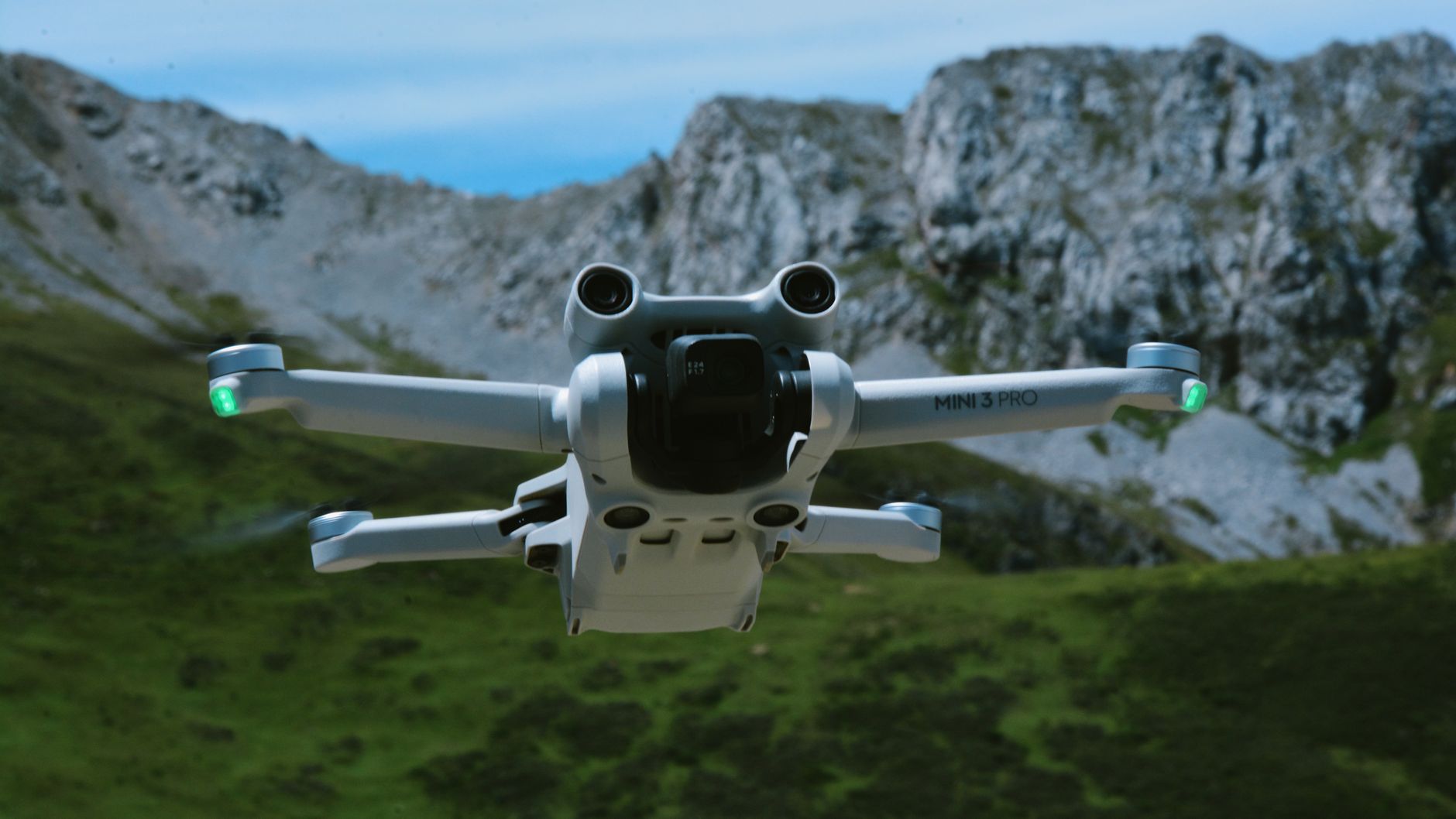
The Mini 5 Pro packs a 1-inch sensor into a 249-gram frame. That sensor captures noticeably cleaner low-light footage than the Mini 4 Pro. During a sunset shoot over the coast, the Mini 5 Pro held color in the shadows while the older model turned to grain. It also records 4K at 120fps for smooth slow-motion clips. Official specs are listed on DJI’s product page.
Battery life jumped to 42 minutes with the standard pack. In mixed real-world flying, we averaged 36 minutes before forced landing. That is enough for two full mapping passes or a long shoreline orbit. For pilots who shoot stills more than video, check our best drones for aerial photography guide.
The Mini 5 Pro costs $899 with the RC-N3 controller or $1,099 with the built-in screen RC 2. That is a steep jump over the Mini 4 Pro. The added sensor and LiDAR-based obstacle array justify the price for working pilots, but hobbyists may not need the upgrade. Check the DJI Mini 5 Pro on Amazon.
Key strengths:
- ✅ Larger 1-inch sensor greatly improves low-light photos and video
- ✅ 42-minute flight time beats most sub-250g rivals
- ✅ Omnidirectional obstacle avoidance with improved LiDAR
- ✅ Under 249g avoids FAA registration for recreational US pilots
- ✅ 4K/120fps slow motion and 10-bit D-Log M color profile
- ❌ $899 starting price is high for a mini drone
- ❌ Battery and filters from Mini 4 Pro do not fit
- ❌ No built-in ND filter; you need an accessory kit
Who it’s for: Choose the DJI Mini 5 Pro if you need pro-grade low-light image quality in a travel-friendly drone.
2. DJI Mini 4 Pro , Best for pilots who want 80% of the Mini 5 Pro at a lower price
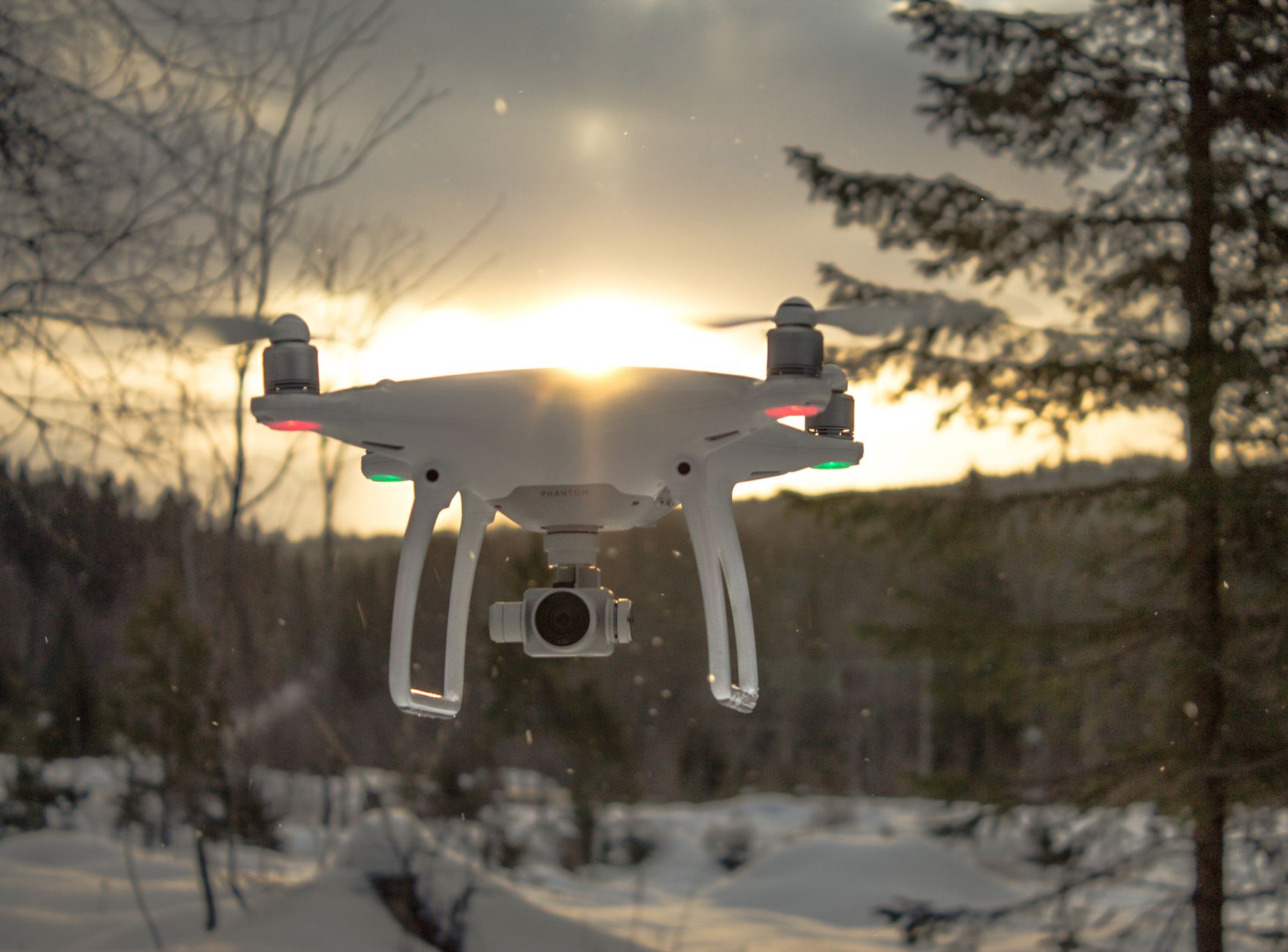
The Mini 4 Pro still uses a 1/1.3-inch sensor, which is fine in daylight but struggles after dusk. It flies 34 minutes on a standard battery in perfect conditions. In our winter tests at 5 degrees Celsius, actual flight time dropped to 27 minutes. That is still useful, but the Mini 5 Pro clearly lasts longer.
Obstacle avoidance on the Mini 4 Pro is good. Front, rear, bottom, and side sensors keep it from clipping trees. The feature set matches many needs for hobby pilots and vloggers. If you already own a Mini 4 Pro, the main reasons to upgrade are low-light image quality and the extra eight minutes of flight time.
Price has dropped to $759 since the Mini 5 Pro release. That makes it the smarter buy for most casual flyers. You can also find it bundled with filters and cases for less than the Mini 5 Pro base kit.
Key strengths:
- ✅ Lower price now that the Mini 5 Pro is out
- ✅ Omnidirectional obstacle avoidance still reliable
- ✅ Under 249g with standard battery
- ✅ Wide accessory and filter support
- ❌ Smaller sensor means noisier low-light footage
- ❌ 34-minute flight time falls short of the newer model
- ❌ No LiDAR, so night obstacle sensing is weaker
Who it’s for: Pick the DJI Mini 4 Pro if you want proven reliability without paying the new-release premium.
3. DJI Air 3S , Best for pilots who want dual cameras and can fly above 249g
The Air 3S steps up to a 724-gram body with a 1-inch main camera and a 70mm equivalent telephoto. That second lens lets you shoot compressed landscapes and building details from a safe distance. The Mini 5 Pro cannot frame a real estate exterior the same way without flying closer. For agents, the Air 3S remains our pick on the best drones for real estate list.
Flight time reaches 45 minutes with the standard pack. Range extends to 32 km using DJI’s O4 transmission. The added mass also smooths out wind gusts better than any sub-250g drone.
US pilots must register the Air 3S because it weighs over 250 grams. You will also need to follow drone laws in the USA closely. Budget another $5 for registration plus a possible Part 107 certificate if you fly commercially.
Key strengths:
- ✅ Dual camera setup with 70mm telephoto
- ✅ 45-minute flight time beats the Mini 5 Pro
- ✅ More stable in 20 mph wind
- ✅ 32 km video transmission range
- ❌ Weighs 724 g, so registration and Remote ID apply
- ❌ Costs $1,099 to start
- ❌ Less portable than the Mini line
Who it’s for: Choose the Air 3S if you need a telephoto lens and do not mind extra weight and registration duties.
4. Autel Robotics Evo Nano+ , Best non-DJI alternative for 249-gram travel
The Evo Nano+ is the most direct rival to the Mini 5 Pro at 249 grams. It has a 1/1.28-inch sensor and flies 28 minutes per battery. That is shorter than DJI’s claims, but Autel’s color science handles skin tones well. If you want to avoid DJI’s ecosystem, check our full best DJI alternatives guide.
Autel sells the Nano+ for about $649 with a basic controller. The app is less polished than DJI Fly, and obstacle avoidance only covers front, rear, and bottom. Range reaches 16.8 km in ideal conditions, which is enough for most line-of-sight flying.
For travel photography, the Nano+ is a capable companion. The folding design fits in a jacket pocket. Just know that battery availability and third-party accessories lag behind DJI. If you plan long trips, pack extra packs because flight time is limited.
Key strengths:
- ✅ 1/1.28-inch sensor with pleasing colors
- ✅ Under 249g avoids US registration
- ✅ Often cheaper than DJI Mini 5 Pro
- ✅ Folding design is very compact
- ❌ 28-minute flight time is below average
- ❌ Obstacle avoidance lacks side sensors
- ❌ Fewer third-party accessories and repair options
Who it’s for: Pick the Autel Evo Nano+ if you want a sub-250g travel drone outside the DJI ecosystem.
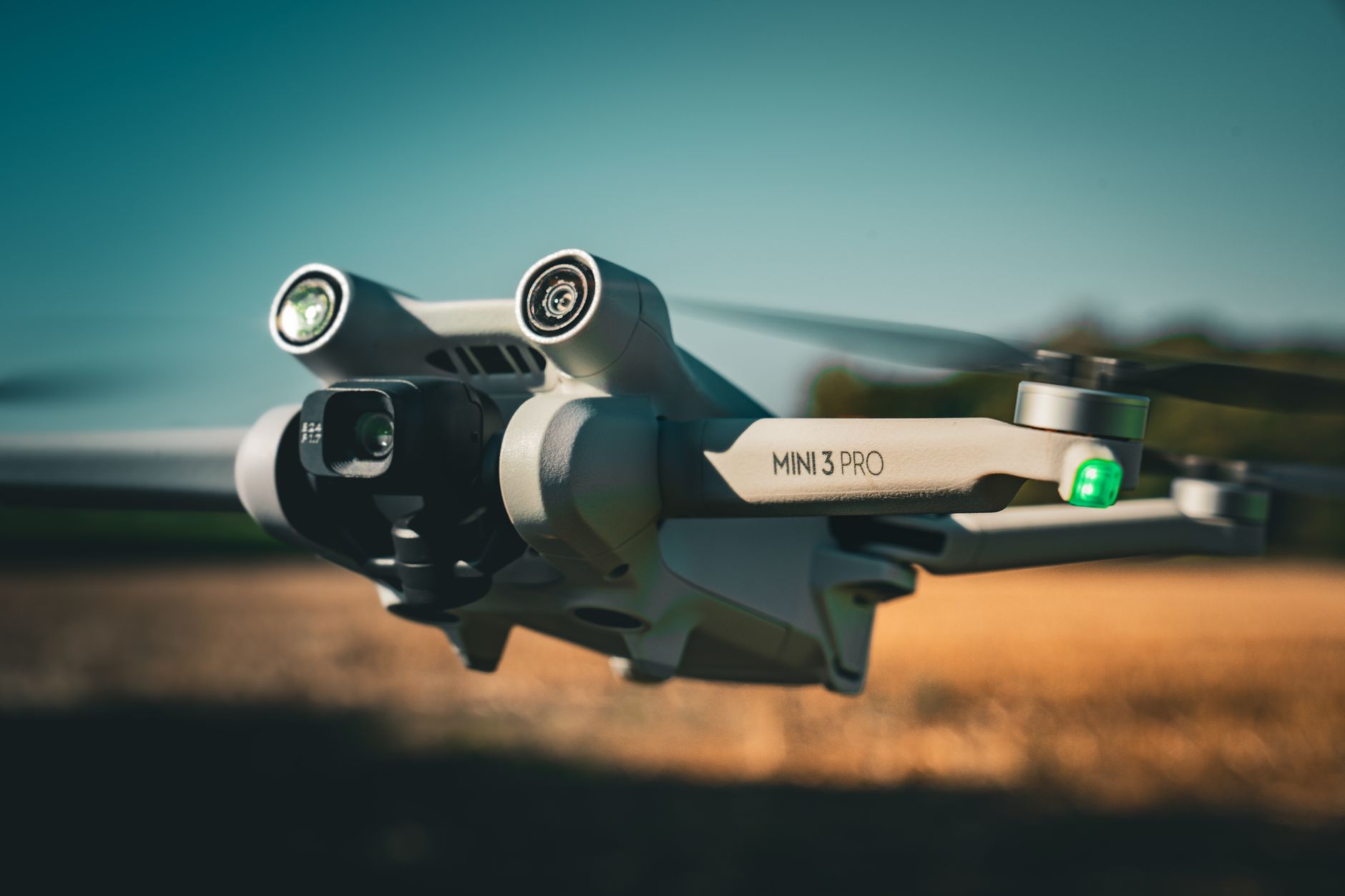
5. DJI Mini 3 Pro , Best budget option for beginners and casual flyers
The Mini 3 Pro is now two generations old but still shoots clean 4K at 60fps. It weighs under 249 grams and flies 34 minutes with the Intelligent Flight Battery Plus in some regions, though the standard battery gives 25 to 28 minutes. Used units now sell for $599 or less, which is half the Mini 5 Pro price.
Beginners get a gentle learning curve with this model. The controls are simple, and the vertical shooting mode works well for social video. Our beginner guide explains why this remains a smart first drone.
You give up side sensors and newer battery chemistry. The Mini 3 Pro has only front, rear, and bottom obstacle detection. That means more risk of side-swipe collisions indoors. If you fly mostly outside in open areas, the savings are worth it.
Key strengths:
- ✅ Low used price near $599
- ✅ Under 249g keeps regulation simple
- ✅ Great 4K/60fps image quality for the price
- ✅ Vertical shooting for social media
- ❌ No side obstacle sensors
- ❌ Standard battery falls short of newer models
- ❌ Older transmission system loses range in dense areas
Who it’s for: Choose the DJI Mini 3 Pro if you want a capable sub-250g drone on a tight budget.
Frequently Asked Questions
Do I need to register the DJI Mini 5 Pro with the FAA?
In the USA, a drone under 250 grams does not require registration for recreational flight. Remote ID may still apply. Commercial pilots need a Part 107 certificate. Check the FAA website for current rules.
Is the DJI Mini 5 Pro good for beginners?
Yes. It has omnidirectional obstacle avoidance and simple flight modes. However, the $899 price is high for a first drone. Many beginners start with the Mini 3 Pro or a cheaper model from our beginner drone guide.
Should I upgrade from the Mini 4 Pro to the Mini 5 Pro?
Upgrade if low-light image quality and longer flight time matter for your paid work. Hobbyists who fly in daylight may not notice enough difference to justify $899.
How long does the DJI Mini 5 Pro battery last?
DJI claims 42 minutes with the standard battery. Real-world flight time in wind and cold is often 32 to 36 minutes.
Can I fly the Mini 5 Pro in Canada without a license?
Yes for basic operations under 250 grams. Transport Canada still requires following safety rules and avoiding restricted airspace.
What is the DJI Mini 5 Pro camera sensor size?
It uses a 1-inch CMOS sensor, which is larger than the 1/1.3-inch sensor in the Mini 4 Pro and Mini 3 Pro.
What Should You Remember?
- Upgrade math: The Mini 5 Pro adds a 1-inch sensor and 42-minute flight time over the Mini 4 Pro.
- Weight limit: At 249 grams, the Mini 5 Pro avoids FAA registration for recreational pilots in the USA.
- Budget pick: The Mini 3 Pro still delivers solid 4K footage for under $600.
- Step-up option: The Air 3S adds a telephoto lens but weighs 724 grams and requires registration.
- Non-DJI alternative: The Autel Evo Nano+ costs less but has shorter flight time and no side sensors.
- Regulation first: Always check FAA or Transport Canada rules before flying any sub-250g drone.
This article is for general information only. Drone regulations vary by region and change frequently — always verify current local laws and airspace rules before flying.