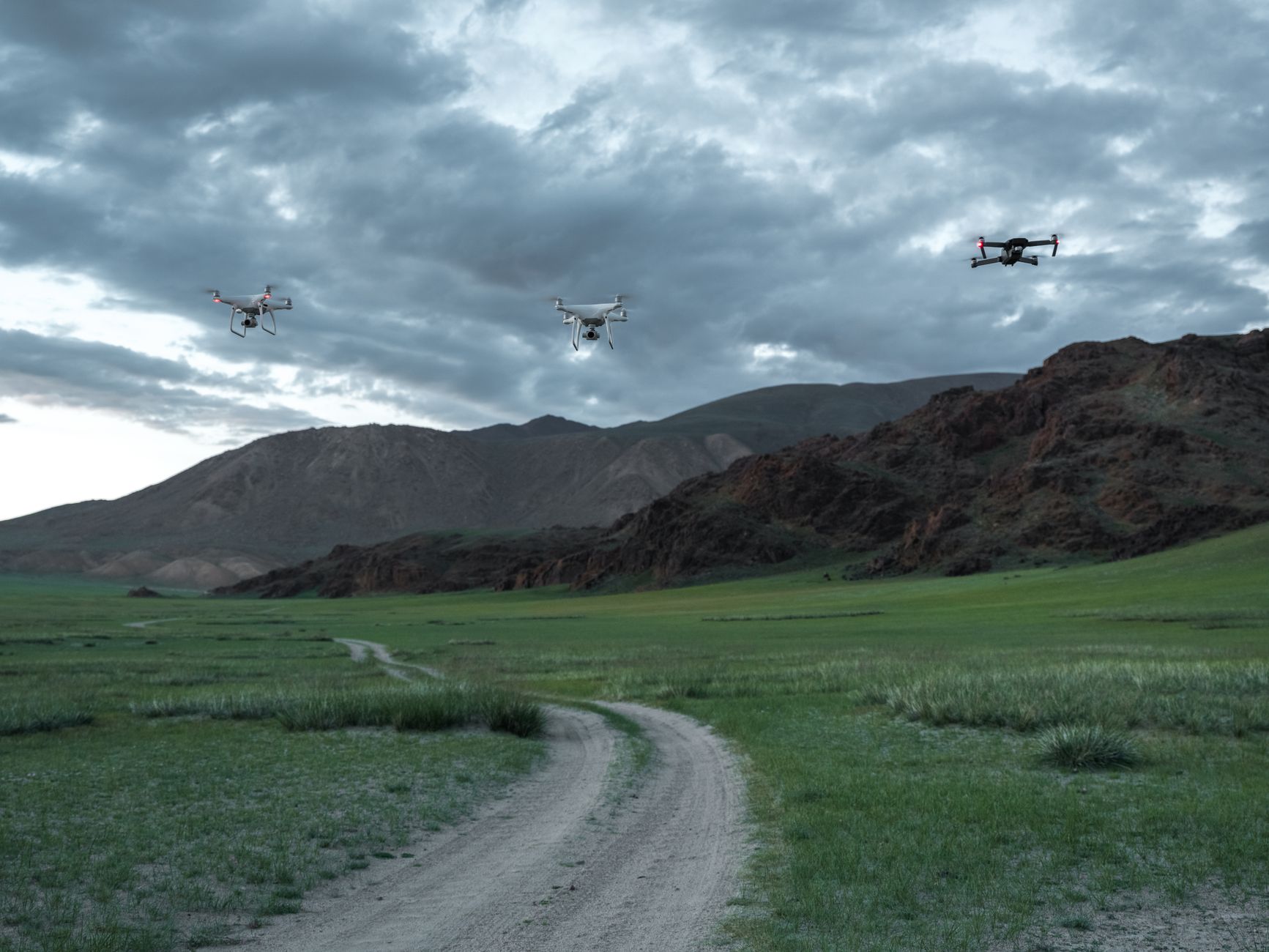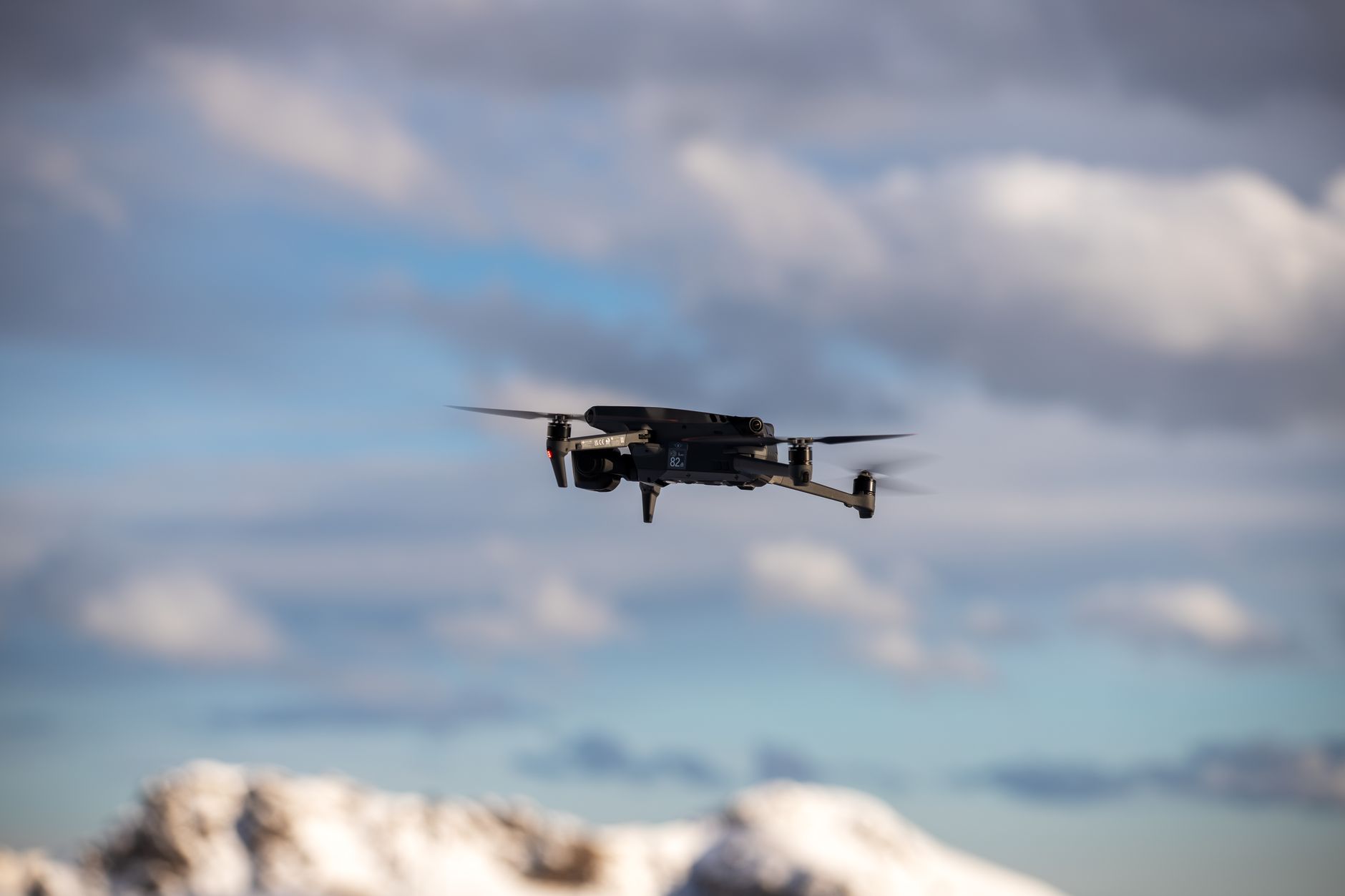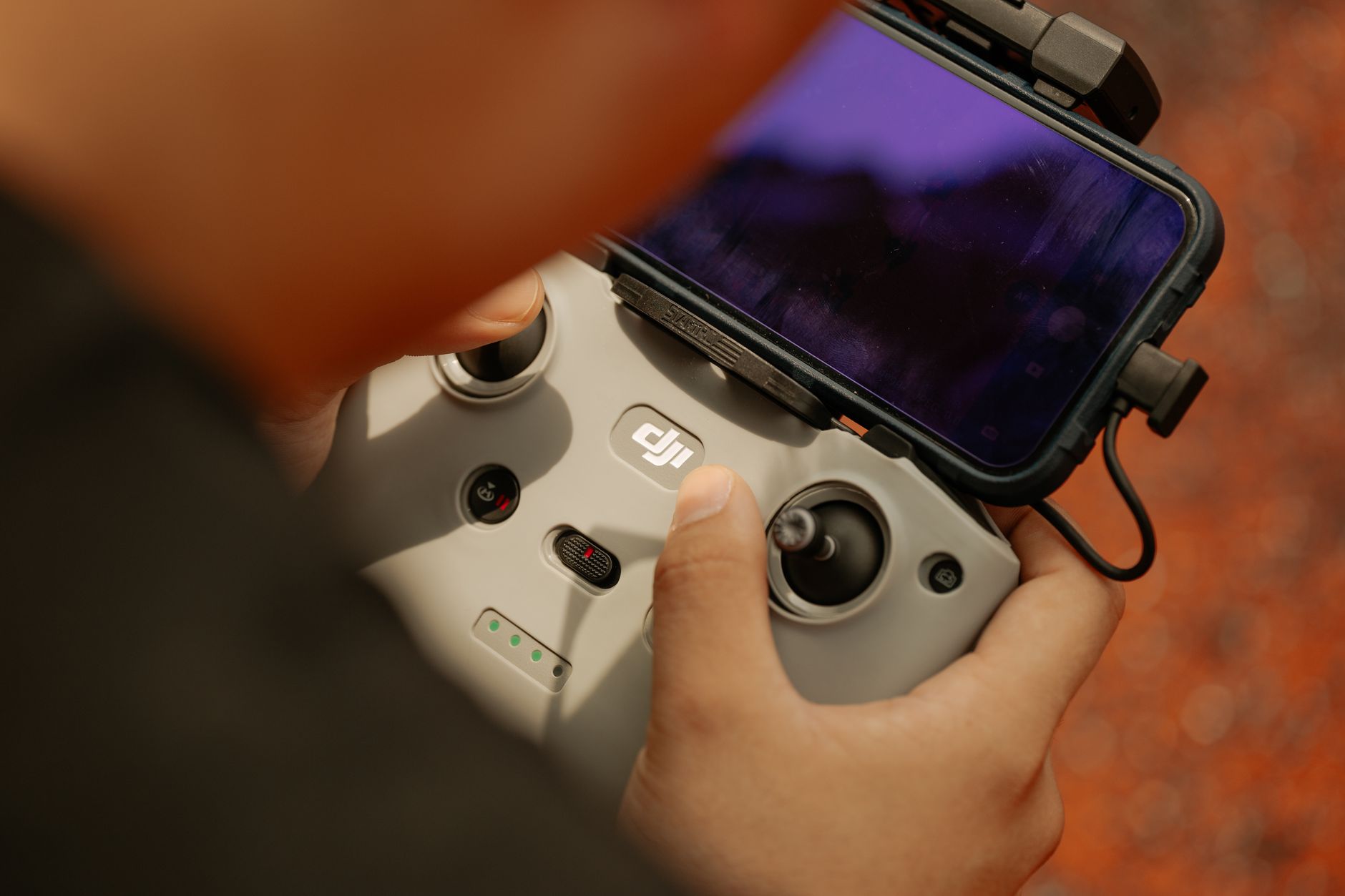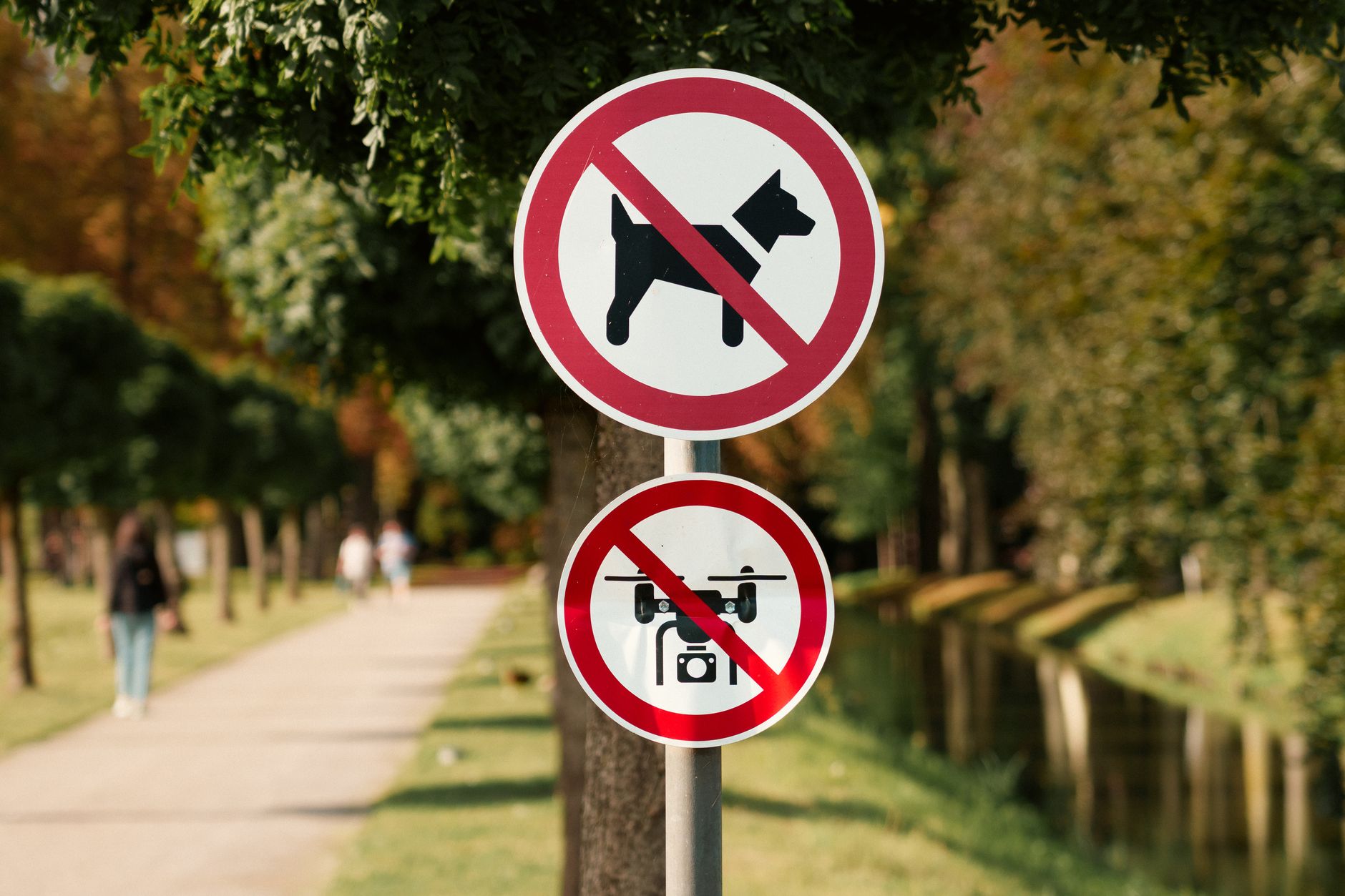
Sub-250g travel drones have become the default for photographers who want to fly without registration paperwork. In the United States, the FAA’s drone registration rules require registration for most drones over 250 grams, but a 249g drone flown for recreation skips that step. You still need to pass the free TRUST test and follow altitude and airspace restrictions. Before you book a trip, check our drone laws in the USA guide. The difference between 249g and 251g can save you time at the airport and keep your kit simple. Even without registration, you are responsible for flying safely and avoiding restricted areas.
To pick these 2026 travel drones, we looked at folded size, real-world flight time, camera sensor, and wind handling. A drone that flies 34 minutes in a lab often lands at 25 minutes on a windy ridge. We favored models that stay under 250g, shoot at least 4K video, and fit in a carry-on or daypack. If you are comparing across the DJI lineup, our best DJI drones compared article covers the bigger picture. For this list, portability came first, but camera quality and obstacle avoidance separated the leaders from the rest.
Rules still matter even below 250g. In the US, recreational pilots must pass the free TRUST knowledge test and follow airspace restrictions. Commercial work under Part 107 still requires a remote pilot certificate, even for a 249g drone. Canada has a similar sub-250g exemption for recreational use, but you must avoid airports, emergencies, and people. That means checking controlled airspace, temporary flight restrictions, and national park rules before takeoff. The models below are legal travel companions if you fly responsibly and know local rules. The weight threshold is a paperwork shortcut, not a safety pass.
How Do the Top Options Compare?
| Drone | Best For | Weight | Flight Time | Camera | Price |
|---|---|---|---|---|---|
| DJI Mini 5 Pro | Best overall travel drone | 249 g | Up to 34 min | 1/1.3-inch 48MP, 4K/60 HDR | From $1,049 |
| DJI Mini 4 Pro | Best for discounted flagship specs | 249 g | Up to 34 min | 1/1.3-inch 48MP, 4K/60 HDR | From $759 |
| DJI Mini 3 | Best budget under 250g | 248 g | Up to 38 min | 1/1.3-inch 12MP, 4K/30 | From $469 |
| Autel EVO Nano+ | Best DJI alternative | 249 g | Up to 28 min | 1/1.28-inch 50MP, 4K/30 | From $649 |
| HOVERAir X1 | Most portable self-flying | 125 g | Up to 11 min | 12MP, 2.7K/30 | From $349 |
Prices are approximate launch MSRP and vary with bundles and sales. Flight time is manufacturer-rated in ideal conditions. Always confirm local drone rules before flying.
1. DJI Mini 5 Pro , Best overall travel drone under 250g

At 249 grams, the DJI Mini 5 Pro slips under the FAA recreational registration threshold. You still follow airspace rules, but you skip the registration fee and Remote ID module. A 1/1.3-inch 48MP sensor records 4K at 60fps in HDR, which holds detail in bright skies and deep shadows. The 34-minute rated flight time drops to about 27 minutes in real wind. Check our full DJI Mini 5 Pro review before deciding.
Omnidirectional obstacle sensing separates this drone from cheaper Mini models. It warns you of branches, rock walls, and building edges on all sides. ActiveTrack 360 handles moving subjects while you hike or bike. DJI’s official spec page lists the folded size under 80 mm, so it fits in a jacket pocket. The main drawback is cost. The standard kit starts around $1,049, and the Fly More Combo adds three batteries and a shoulder bag for over $1,200. Check the DJI Mini 5 Pro price on Amazon.
Key strengths:
- ✅ Shoots 4K/60 HDR video and 48MP photos
- ✅ Omnidirectional obstacle sensing
- ✅ 249g weight avoids US recreational registration
- ✅ 34-minute max flight time
- ✅ Compact folded design fits a jacket pocket
- ❌ Expensive compared with Mini 3
- ❌ Fly More bundle pushes price above $1,200
- ❌ No mechanical shutter for high-speed stills
Who it’s for: Travel photographers who want the best camera and collision protection without registration paperwork.
2. DJI Mini 4 Pro , Best for discounted flagship specs
The DJI Mini 4 Pro is the previous flagship, and it remains a strong buy in 2026. It uses the same 1/1.3-inch 48MP sensor and flies up to 34 minutes on a standard battery. You get omnidirectional obstacle sensing and 4K/60 HDR video. The main difference from the Mini 5 Pro is processing power. Low-light noise reduction and subject tracking are a half-step behind, but the footage still looks excellent on social media and 4K televisions.
Price is the reason to consider it. The Mini 4 Pro now sells near $759 with the standard controller, often less during holiday sales. That saves you several hundred dollars over the Mini 5 Pro. See the DJI Mini 4 Pro on Amazon. Range is rated around 10 km in ideal FCC conditions, but flying beyond visual line of sight is illegal for recreational pilots. Treat that spec as extra signal strength, not a license to fly far. If you want near-flagship performance without the newest price tag, this is a practical choice.
Key strengths:
- ✅ 34-minute flight time and 4K/60 HDR video
- ✅ Omnidirectional obstacle sensing
- ✅ Same 48MP sensor as Mini 5 Pro
- ✅ Often discounted below $800
- ❌ Standard RC-N2 controller lacks built-in screen
- ❌ Older processor with slightly weaker tracking
- ❌ Firmware updates slowing as newer models release
Who it’s for: Buyers who want flagship-level specs at a discount.
3. DJI Mini 3 , Best budget under 250g
At 248 grams, the DJI Mini 3 is the cheapest serious camera drone on this list. It flies up to 38 minutes on the standard battery, longer than the Mini 4 Pro and Mini 5 Pro. That extra flight time matters for sunrise shoots and long hikes. The 1/1.3-inch 12MP sensor shoots 4K/30 video with a clean, natural color profile. It will not match the Pro models in stills resolution, but it beats phone video in the air. See why it suits new pilots in our best drones for beginners guide.
Obstacle coverage is the big compromise. The Mini 3 has downward sensors only. There is no side or rear protection, so you must fly with visual line of sight and keep clear of trees. It also lacks the newer ActiveTrack modes, though it does support QuickShots. The camera can rotate for vertical video, which is useful for Reels and TikTok. At $469 with a controller, it is the budget travel drone to beat. Extra batteries are affordable, and the drone charges from USB-C. Check the DJI Mini 3 price on Amazon.
Key strengths:
- ✅ 38-minute max flight time beats pricier Mini models
- ✅ Weighs 248g and folds to a small footprint
- ✅ 4K/30 video with vertical shooting mode
- ✅ Affordable entry price around $469
- ❌ No side or rear obstacle avoidance
- ❌ 12MP stills lower than Pro models
- ❌ Basic tracking compared with Mini 5 Pro
Who it’s for: Budget travelers who want long flight time and solid 4K video without premium tracking.
4. Autel EVO Nano+ , Best DJI alternative under 250g
The Autel EVO Nano+ is the best non-DJI option under 250g. Its 249g takeoff weight keeps it below the FAA registration threshold for recreational flying. The 1/1.28-inch 50MP sensor is slightly larger than the 1/1.3-inch sensor in the DJI Mini 4 Pro and Mini 5 Pro. That can mean better low-light performance, though Autel’s processing is not as aggressive. It flies up to 28 minutes per battery, which is shorter than the Mini line. The three-axis gimbal keeps 4K/30 footage stable. Read more in our best DJI alternatives in 2026 article.
Autel uses a different approach to software. You can manual control camera settings without creating an account, which appeals to some pilots. Obstacle sensing covers forward and downward directions only, so side collisions are still possible. Range is rated up to 10 km in ideal conditions, but legally you must keep the drone in sight. Repair and accessory support are smaller than DJI’s network. At $649, the EVO Nano+ sits between the Mini 3 and Mini 4 Pro on price.
Key strengths:
- ✅ Larger 1/1.28-inch 50MP sensor for better low light
- ✅ 249g weight avoids recreational registration
- ✅ Stable three-axis gimbal with 4K/30 video
- ✅ No mandatory account for manual camera controls
- ❌ 28-minute flight time is shorter than DJI Mini models
- ❌ Obstacle sensing only forward and downward
- ❌ Smaller repair and accessory network
Who it’s for: Photographers who want a larger camera sensor in a sub-250g body without buying DJI.
5. HOVERAir X1 , Most portable self-flying drone

The HOVERAir X1 is not a traditional camera drone. It weighs 125 grams and folds smaller than most smartphones. You launch it from your palm, select a preset flight mode, and it flies itself. Flight time is only 11 minutes per battery, so pack two or three batteries. The camera records 2.7K/30 video and 12MP stills. It is perfect for quick vlogs, group shots, and social clips. See more compact options in our best travel drones 2026 guide.
This drone will not replace a Mini 5 Pro. There is no omnidirectional obstacle avoidance, and the preset paths can clip overhead branches. But for travelers who hate controllers and setup, the X1 is the fastest way to get an aerial selfie. In Canada, drones under 250g flown for recreation are exempt from registration under Transport Canada drone safety rules. The X1 costs about $349, making it a reasonable add-on for phone-first creators.
Key strengths:
- ✅ Weighs only 125g, no recreational registration in US or Canada
- ✅ Palm launch and land with no controller
- ✅ Preset flight modes for hands-free clips
- ✅ Budget price around $349
- ❌ 11-minute flight time per battery
- ❌ No side or rear obstacle avoidance
- ❌ 2.7K video lower resolution than DJI Mini drones
Who it’s for: Social creators and casual travelers who want a no-controller pocket drone for quick clips.
Frequently Asked Questions
Do I need to register a drone under 250g in the US?
No, recreational flyers do not need to register a drone that weighs under 250 grams. You must pass the free FAA TRUST test and follow airspace rules. Commercial Part 107 flights still require registration and a remote pilot certificate.
What is the best travel drone under 250g in 2026?
The DJI Mini 5 Pro is the best overall for its 48MP camera, 4K/60 HDR video, 34-minute flight time, and omnidirectional obstacle avoidance. If you want to save money, the DJI Mini 3 is a strong budget pick.
Can I fly a sub-250g drone in Canada without a license?
Yes, Transport Canada does not require registration or a pilot certificate for recreational drones under 250g. You still must fly safely and avoid restricted airspace, airports, and emergency operations.
How much flight time do travel drones under 250g actually get?
Manufacturer specs range from 11 minutes on the HOVERAir X1 to 38 minutes on the DJI Mini 3. In wind and cold weather, expect 20 to 30 percent less. Carry two or three batteries for a full shooting day.
Are under-250g drones allowed in carry-on luggage?
Most airlines allow drone batteries in carry-on luggage, but LiPO batteries must meet watt-hour limits and cannot go in checked bags. Folded drones under 250g fit easily in a personal item or camera cube. Check airline policies before flying.
Is obstacle avoidance necessary for a travel drone?
It helps if you fly near trees, cliffs, or buildings. The DJI Mini 5 Pro and Mini 4 Pro have omnidirectional sensing. The Mini 3 and HOVERAir X1 rely on downward sensors only, so you need more open space.
What Should You Remember?
- Top pick: DJI Mini 5 Pro is the best travel drone under 250g with 4K/60 HDR and 34-minute flight time.
- No registration: Drones under 250g in the US and Canada skip recreational registration, but TRUST and airspace rules still apply.
- Budget option: DJI Mini 3 offers 38-minute flight time and 4K/30 video at around $469.
- Best alternative: Autel EVO Nano+ has a larger 50MP sensor but shorter 28-minute flight time.
- Most portable: HOVERAir X1 weighs 125g and flies preset paths without a controller.
- Pack smart: Carry at least two batteries and check carry-on LiPO rules before airline travel.
This article is for general information only. Drone regulations vary by region and change frequently — always verify current local laws and airspace rules before flying.