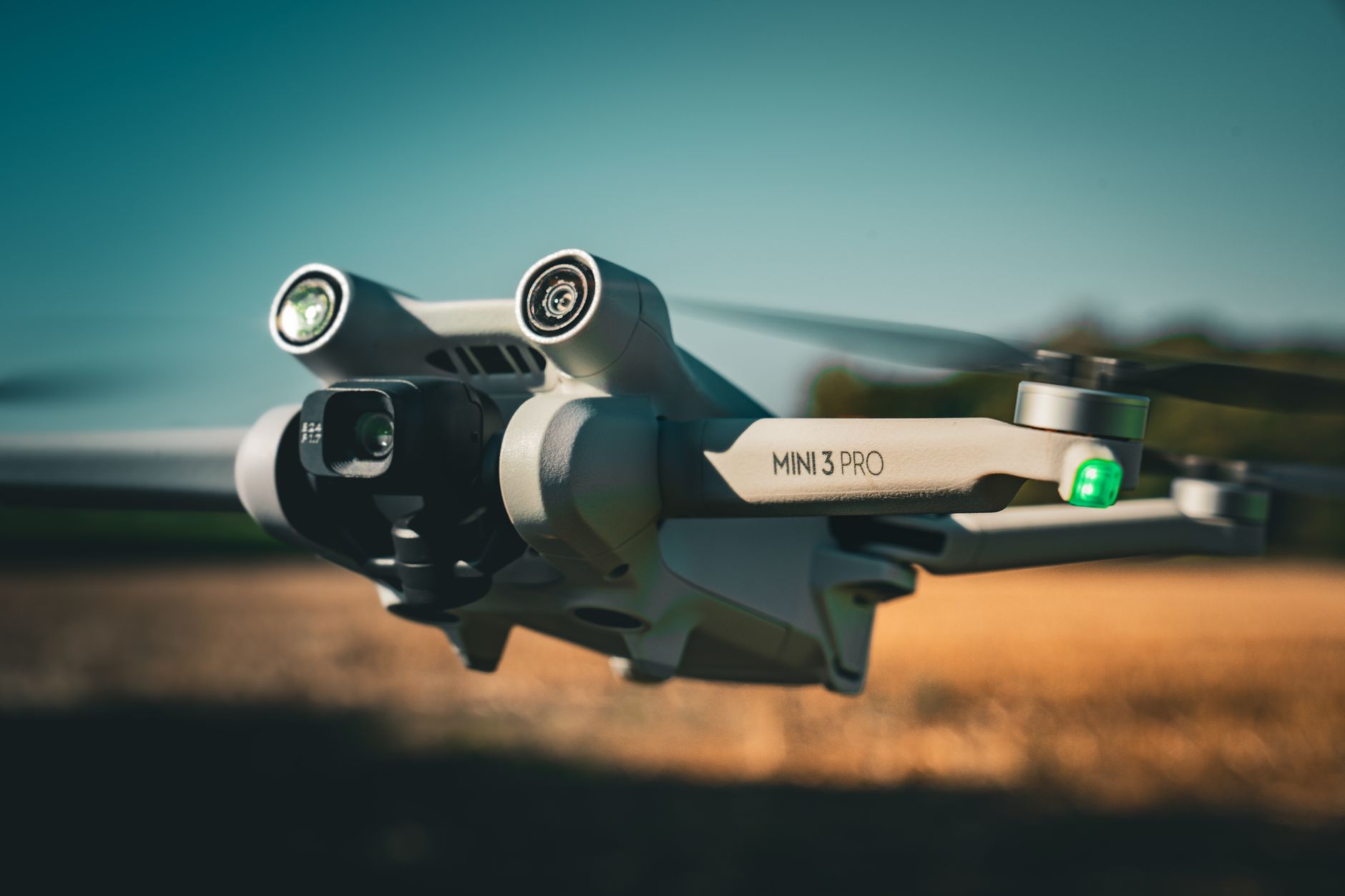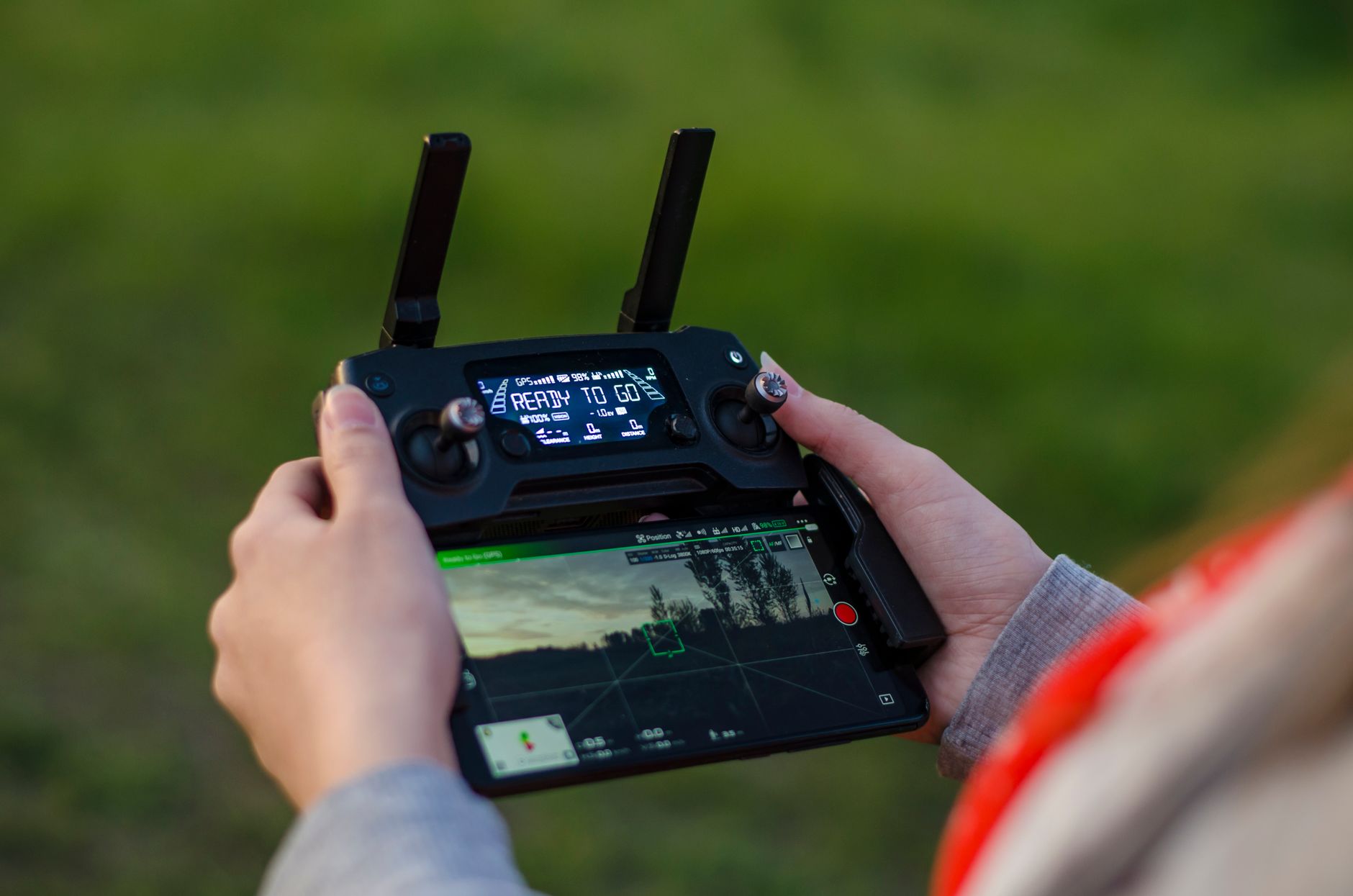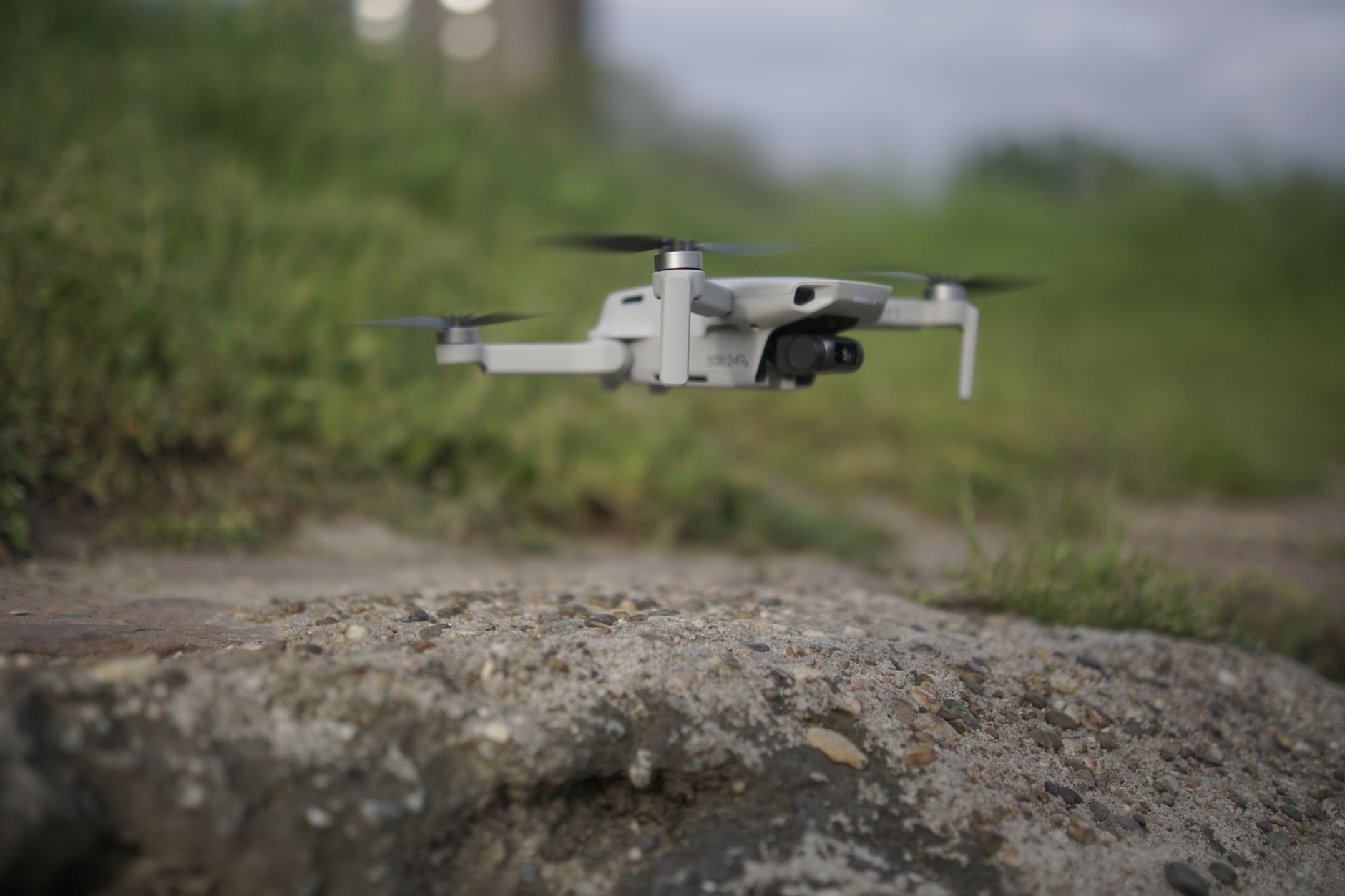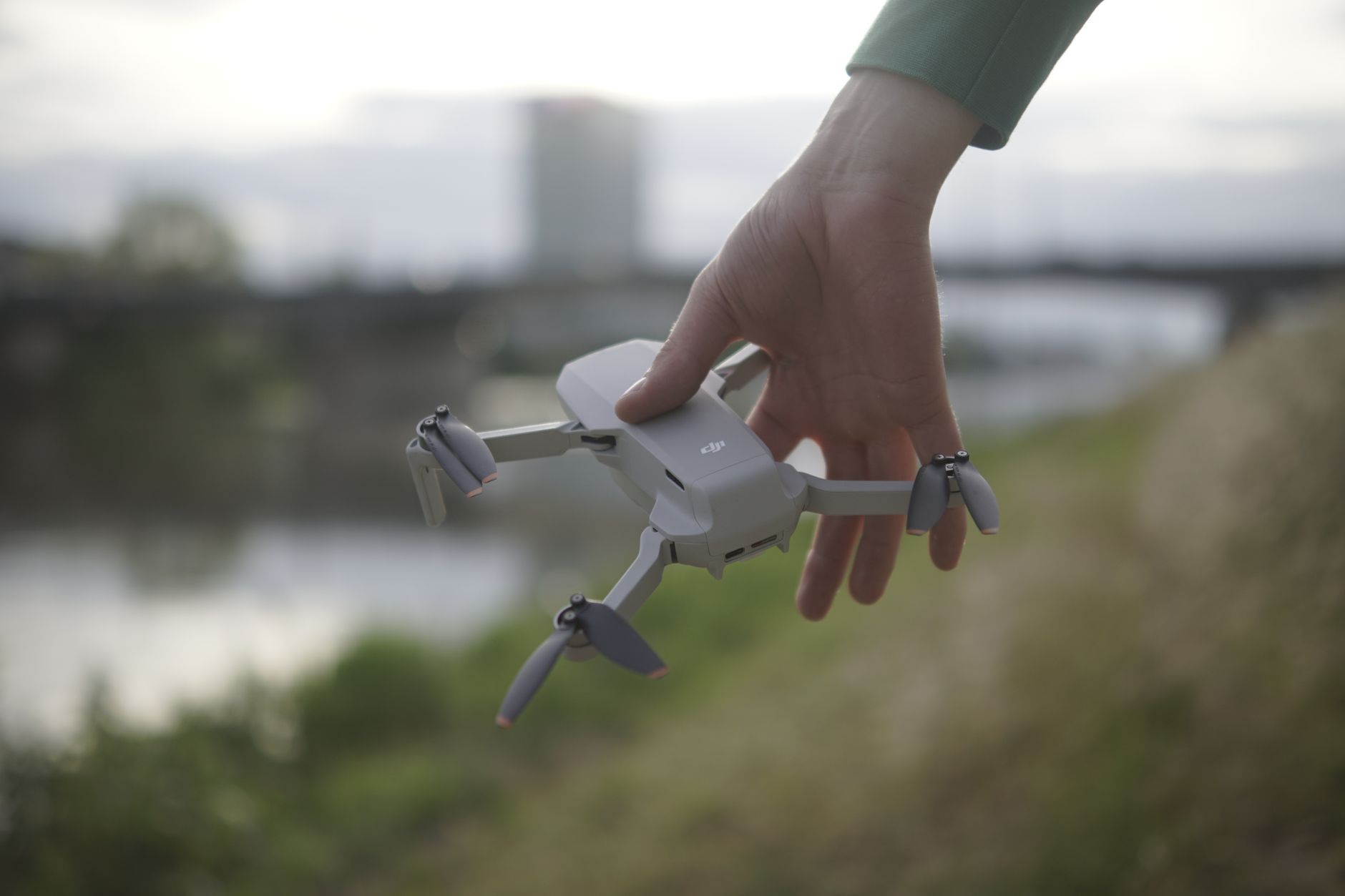
Two 249-gram drones from the same factory, and a decision that comes down to how you actually fly. The DJI Flip arrived in 2025 with folding arms, built-in propeller guards, and one-tap automated shots. The DJI Mini 4 Pro landed in 2023 and still leads the sub-250g class on obstacle sensing. Both carry a 1/1.3-inch sensor. Both shoot 4K. Both slip into a jacket pocket and pack into the same small shoulder bag you would take on a hike. Pick the wrong one and you either overspend on features you never touch or give up the safety tech you genuinely need. If you fly often, our best travel drones for 2026 roundup shows where each one fits.
I weighed the specs that change how a flight feels, not the ones that look good on a box. Sensor size, flight time, transmission range, obstacle sensing coverage, and controller feel. Weight matters for a legal reason too. The FAA’s drone registration rules draw the line at 250 grams, and both of these drones land at 249 grams with the standard battery. Fit the optional high-capacity pack to the Mini 4 Pro and it crosses that line, which means registration applies and Remote ID has to broadcast. That single detail changes the math for recreational flyers who want minimal paperwork. Our drone laws in the USA guide covers the rest.
Timing matters here. The Flip is DJI’s newest compact, and it borrows the propeller-guard design that made the Neo a hit with first-time pilots. The Mini 4 Pro is older, but DJI keeps it in the lineup because nothing else under 250 grams matches its omnidirectional sensing. Firmware updates have added features to the Mini 4 Pro since launch, including waypoint flying and steadier tracking. Prices on both move in either direction through the year, and DJI regularly bundles extra batteries and bags. That means the answer can shift with a single promotion, which is why the specs below carry more weight than a price tag. I am comparing capability here, never a fixed figure.
Here is the short version before the deep dive. Choose the Mini 4 Pro if you shoot for clients, fly near trees or buildings, or want the longest flight time in the class. Choose the Flip if you are new, want guards around the props, and mostly film people and places from a safe hover. Neither drone is a bad purchase. The rest of this article breaks down camera, range, sensing, and automated modes so you can match the aircraft to your own flying style instead of someone else’s opinion. Read the section that matches your work and skip the rest.
How Do the Top Options Compare?
| Drone | Best For | Weight | Camera Sensor | Max Flight Time | Max Range | Obstacle Sensing | Check Price |
|---|---|---|---|---|---|---|---|
| DJI Flip | Beginners and casual creators | 249 g | 1/1.3-inch CMOS, 48MP | 31 minutes | 13 km (O4) | Forward and downward only | Check price |
| DJI Mini 4 Pro | All-round photo and video work | 249 g (253 g with Plus battery) | 1/1.3-inch CMOS, 48MP | 34 minutes (45 with Plus battery) | 20 km (O4) | Omnidirectional, six directions | Check price |
Specs reflect manufacturer listings for the standard battery configuration, with the high-capacity option noted where it changes weight. Prices move constantly, so use the Check price links for current figures. Bundle contents differ between retailers and are not reflected in the table.
1. DJI Flip , Best for first-time pilots who want guards and simple controls
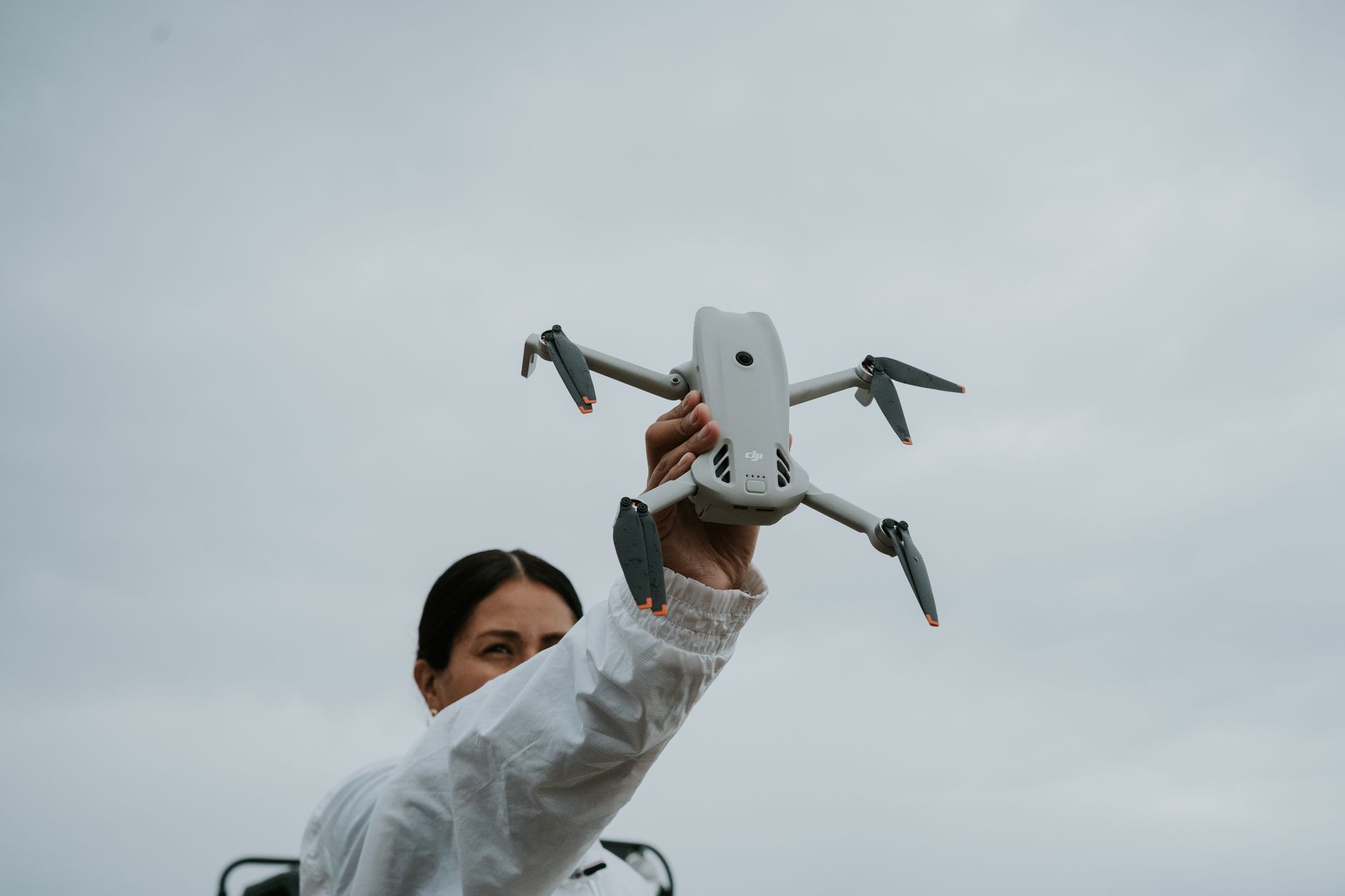
The Flip is the drone DJI built for people who have never flown before. Its arms fold out with the propeller guards attached, so you can hand-launch it, set it down on a picnic table, and bump a doorway without chipping a blade. At 249 grams it stays under the FAA registration threshold for recreational flights with the standard battery. The camera is a 1/1.3-inch CMOS sensor with 48MP stills and 4K video at 60fps with HDR. Flight time tops out at 31 minutes, and the O4 transmission system reaches 13 km in ideal conditions. Full specs sit on DJI’s official site.
What sells the Flip is the automation. One tap gets you a dronie, a rocket shot, a circle, or a boomerang clip that lands on your phone ready to post. Subject tracking follows a person or a pet while the drone holds its position. That makes it a strong pick for family footage, hiking clips, and casual content where you want to be in the shot rather than flying the camera. Our best drones for beginners roundup treats it as a top pick for exactly that job.
The compromises are real. Obstacle sensing covers the front and the bottom only, so a sideways drift into a tree branch is on you. There is no lateral or rear vision at all. Flight time is 31 minutes, three minutes behind the Mini 4 Pro, and the 13 km transmission range is shorter on paper. In practice both range numbers are generous, because visual line of sight rules apply in most countries. None of that matters much if you fly open fields and backyards, which is exactly where most beginners start.
Buy the Flip if you want a drone you can toss in a backpack and fly without studying a manual. Check the DJI Flip on Amazon if you want to compare bundles with extra batteries and a carrying case.
Key strengths:
- ✅ Built-in propeller guards that survive bumps against walls, branches, and doorframes.
- ✅ One-tap QuickShots and subject tracking produce postable clips without editing.
- ✅ Weighs 249 grams, so recreational flyers stay under the FAA registration threshold.
- ✅ The 1/1.3-inch sensor with 48MP stills and 4K at 60fps HDR matches the Mini 4 Pro in good light.
- ✅ Costs noticeably less than the Mini 4 Pro at every bundle tier.
- ❌ Obstacle sensing only covers the front and bottom, with nothing on the sides or rear.
- ❌ 31 minutes of flight time is the shortest of the two.
- ❌ 13 km transmission range trails the Mini 4 Pro’s 20 km on paper.
Who it’s for: Choose the Flip if you are new to drones, fly in open areas, and want automated shots plus prop guards without paying for sensors you will not use.
2. DJI Mini 4 Pro , Best all-rounder for photo, video, and client work
The Mini 4 Pro is the drone most working pilots grab when the job fits under 250 grams. It carries the same 1/1.3-inch CMOS sensor as the Flip, so daylight footage comes out close to identical. The differences show up in what surrounds the camera. Omnidirectional obstacle sensing watches forward, backward, sideways, upward, and down. That coverage lets you fly closer to structures with confidence and lets ActiveTrack 360 keep a subject framed while the drone moves around them.
Flight time is 34 minutes on the standard battery and 45 minutes with the Intelligent Flight Battery Plus. That bigger pack pushes takeoff weight past 250 grams, which triggers registration in the US along with a Remote ID broadcast. Range reaches 20 km with O4 transmission. Video tops out at 4K at 100fps for slow motion, and the 10-bit D-Log M profile leaves room for grading. This is the drone I would hand to an agent shooting listings, and our best drones for real estate guide explains why.
Vertical shooting is a genuine advantage. The gimbal rotates so you can capture 9:16 video natively for Reels, Shorts, and TikTok without cropping the frame. Waypoint Flight lets you build a repeatable route for a client who wants the same shot every month. Cruise Control holds a steady speed for long cinematic passes. Firmware updates since launch added features rather than removing them, which is rare in this price band.
Nothing here is free. The Mini 4 Pro costs more than the Flip in every configuration. It also throws more warnings at you when you fly close to objects, and beginners sometimes find that annoying rather than helpful. Check the DJI Mini 4 Pro on Amazon to see current bundle options.
Key strengths:
- ✅ Omnidirectional obstacle sensing covers front, rear, sides, top, and bottom.
- ✅ 34 minutes of flight time, or 45 minutes with the high-capacity battery.
- ✅ 20 km O4 transmission range, the longest in the sub-250g class.
- ✅ 4K at 100fps slow motion plus 10-bit D-Log M for color grading.
- ✅ ActiveTrack 360, Waypoint Flight, and Cruise Control for repeatable automated routes.
- ❌ Costs more than the Flip across every bundle configuration.
- ❌ The 45-minute battery pushes takeoff weight over 250 grams, so registration applies.
- ❌ No built-in propeller guards, so a hard bump can damage a prop.
Who it’s for: Choose the Mini 4 Pro if you fly near obstacles, shoot for clients, or want the longest flight time and the best tracking available under 250 grams.
3. Camera and Video Quality , Best for shooters who care about frame rates and color grading
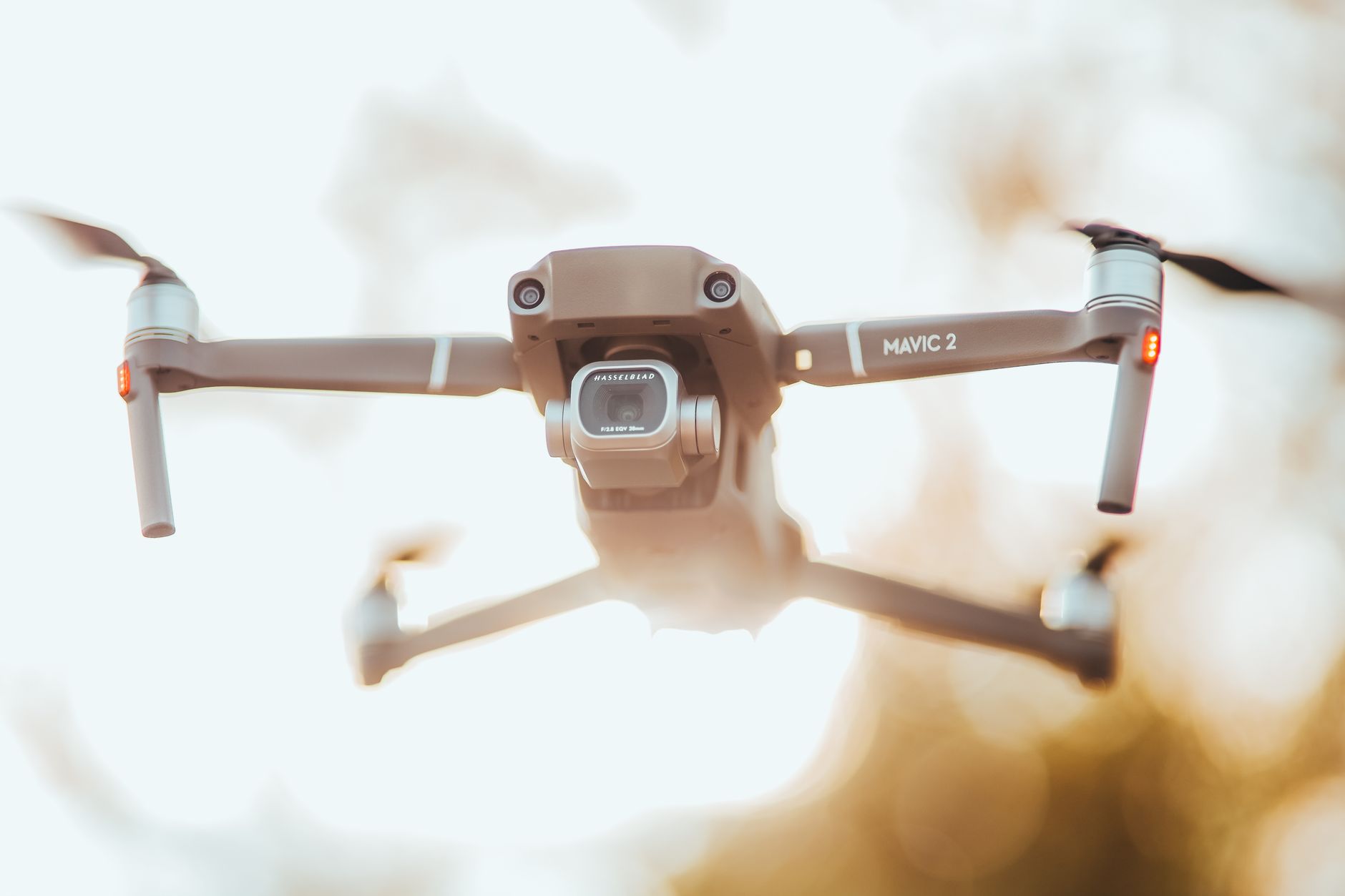
Both drones use a 1/1.3-inch CMOS sensor with 48MP stills and an f/1.7 lens. Same sensor size, same pixel count. In bright daylight the footage from each is hard to tell apart after a basic grade. Field of view and aperture match closely too, so switching between them does not force you to relearn framing. Composite shots are possible where clips from both cameras sit side by side without a visible jump.
The Mini 4 Pro pulls ahead when light drops or when you want slow motion. It records 4K at 100fps, which gives you a real slow-motion clip at full resolution instead of a cropped one. The Flip tops out at 4K at 60fps. Dual native ISO on the Mini 4 Pro keeps noise down in dim conditions and holds detail in the shadows. Both offer 10-bit D-Log M, so grading works on either file, but the Mini 4 Pro’s extra latitude shows up in high-contrast scenes.
Photo output is close to a wash. Both capture 48MP stills and both support RAW. The Flip adds playful modes aimed at quick sharing, including panorama and one-tap editing on your phone. The Mini 4 Pro expects you to do the work yourself in an editor. If you want files straight off the card, that is a point for the Flip. If you want files with room to push in post, that is a point for the Mini 4 Pro.
Editing matters more than the last 10 percent of sensor performance. Our how to edit drone photos guide walks through a workflow that works with either camera. Most viewers cannot tell which of these two drones shot a well-graded daylight clip.
Key strengths:
- ✅ Identical 1/1.3-inch sensor and 48MP stills on both drones.
- ✅ Mini 4 Pro records 4K at 100fps while the Flip stops at 4K at 60fps.
- ✅ Both support 10-bit D-Log M for color grading.
- ✅ Flip offers panorama modes and one-tap editing for quick sharing.
- ❌ The Flip cannot match the Mini 4 Pro once light drops.
- ❌ Neither drone carries a 1-inch sensor, so serious dusk and night work is out of reach.
- ❌ High frame rates on the Mini 4 Pro eat storage and battery faster.
Who it’s for: Pick the Mini 4 Pro if you grade your footage or shoot slow motion. Pick the Flip if you want clips that are ready to post the same day.
4. Flight Time, Range, and Wind Performance , Best for long flights and distance work
Numbers first. The Mini 4 Pro flies 34 minutes on the standard battery and 45 minutes with the high-capacity pack. The Flip flies 31 minutes. That three-minute gap sounds small until you are waiting on a sunset and the battery reads 15 percent. The bigger spread is range. The Mini 4 Pro reaches 20 km with O4 transmission. The Flip reaches 13 km with the same O4 system.
Real flights rarely approach those distances, because visual line of sight rules apply in the US, Canada, and most of Europe. Part 107 and the recreational exception in the US both require you to see the aircraft without aids. Transport Canada’s drone safety rules take a similar position, so the practical limit is how far you can track a 249-gram drone against a cloudy sky. Call it a few hundred meters before it turns into a speck.
Both airframes handle wind to Level 5, roughly 10.7 meters per second. The Mini 4 Pro feels steadier in gusts because its motors have more authority and the optional battery adds mass. Cold weather cuts usable flight time on both, often by a third at minus 10 degrees. Keep spare packs in an inside pocket and plan shorter missions when the temperature drops.
Charging habits change the value equation more than most people expect. The Mini 4 Pro supports a hub that tops up three batteries in sequence. The Flip uses a simpler charging setup. Neither detail decides a purchase on its own, but if you fly daily, slow charging will irritate you eventually.
Key strengths:
- ✅ Mini 4 Pro delivers 34 minutes of flight time, or 45 minutes with the larger battery.
- ✅ 20 km transmission range on the Mini 4 Pro beats the Flip’s 13 km.
- ✅ Both handle Level 5 winds, roughly 10.7 meters per second.
- ✅ Battery charging hubs on the Mini 4 Pro top up multiple packs in sequence.
- ❌ The 45-minute battery pushes the Mini 4 Pro over 250 grams and triggers registration.
- ❌ Real-world range falls far short of the spec sheet for both drones because of line-of-sight rules.
- ❌ Cold weather cuts flight time on both airframes.
Who it’s for: Choose the Mini 4 Pro if flight time and range drive your work. Choose the Flip if you fly short, close missions near home.
5. Obstacle Avoidance and Automated Flight , Best for flying near people, trees, and buildings
This is the biggest functional gap between the two drones. The Mini 4 Pro carries omnidirectional sensing, meaning it sees forward, backward, left, right, up, and down. APAS 5.0 takes over and steers around obstacles when you get too close. ActiveTrack 360 keeps a subject centered while the drone orbits, and it can dodge a tree mid-shot instead of stopping dead.
The Flip sees forward and down. That is the whole list. The forward sensor prevents the most common beginner crash, which is flying straight into a wall. It does nothing about lateral drift or backing into a branch behind you. If your flying happens in open fields, gyms, or over water, this limitation will never bite you. If it happens in a wooded park or a tight backyard, it will.
Automated modes tell a similar story. Both drones handle QuickShots. The Mini 4 Pro adds Waypoint Flight for repeatable routes, Cruise Control for steady passes, and tracking that survives a subject walking behind a tree. The Flip’s tracking works while the subject stays visible. For the full picture of how DJI splits these features across its range, our best DJI drones compared guide lays it out side by side.
One caution for commercial pilots. Automated tracking does not remove your responsibility to fly safely. Part 107 holders in the US must still maintain visual line of sight and yield to crewed aircraft at all times. Smart modes help you get the shot. They do not absorb liability when something goes wrong.
Key strengths:
- ✅ Mini 4 Pro senses obstacles in every direction, including above and below.
- ✅ APAS 5.0 actively steers around obstacles instead of only warning you.
- ✅ ActiveTrack 360 holds a subject through complex moves and partial obstruction.
- ✅ Waypoint Flight and Cruise Control allow repeatable automated routes.
- ❌ The Flip has no side or rear obstacle sensing at all.
- ❌ More sensing means more warning beeps when you fly close to objects.
- ❌ Neither drone avoids thin branches, wires, or small twigs reliably.
Who it’s for: Choose the Mini 4 Pro if you fly near obstacles or track moving subjects. The Flip is fine when your airspace is wide open.
Frequently Asked Questions
Is the DJI Flip better than the Mini 4 Pro?
Not overall. The Mini 4 Pro wins on obstacle sensing, flight time, and video frame rates. The Flip wins on cost, built-in propeller guards, and simplicity for new pilots.
Do I need to register a DJI Flip or Mini 4 Pro with the FAA?
Both weigh 249 grams with the standard battery, so recreational flyers stay under the 250-gram registration threshold. Fit the Mini 4 Pro’s high-capacity battery and the weight goes over the line, which makes registration mandatory.
How long can each drone fly on one battery?
The Mini 4 Pro flies 34 minutes on the standard battery and 45 minutes with the high-capacity pack. The DJI Flip flies 31 minutes. Cold weather cuts both numbers noticeably.
Which drone is better for low light shooting?
The Mini 4 Pro. Its dual native ISO and 4K at 100fps give it an edge after sunset. Neither drone has the larger sensor needed for serious night work.
Can I use either drone for commercial work?
Yes, both are capable, but weight does not exempt you in the US. Commercial flights fall under Part 107 regardless of takeoff weight, so you need a Remote Pilot Certificate. Canada requires a pilot certificate as well.
Does the DJI Flip have obstacle avoidance?
It has forward and downward sensing only. Nothing covers the sides or the rear, so preventing a lateral drift into a branch is your job.
Which one should a beginner buy?
The Flip, unless your usual flying spot sits under trees or between buildings. Prop guards, lower cost, and one-tap shots matter more than extra sensors when you are learning.
What Should You Remember?
- Pick the Mini 4 Pro for omnidirectional obstacle sensing, 34 minutes of flight time, and 4K at 100fps.
- Pick the DJI Flip if you want built-in propeller guards, one-tap QuickShots, and a lower entry cost.
- Both weigh 249 grams, which keeps recreational flyers under the FAA registration threshold with the standard battery.
- The high-capacity Mini 4 Pro battery pushes takeoff weight over 250 grams, so registration becomes mandatory.
- Transmission range favors the Mini 4 Pro at 20 km against 13 km for the Flip, though line-of-sight rules cap real flights.
- Camera hardware is nearly identical, so daylight footage from either drone looks the same after a basic grade.
- Beginners should start with the Flip unless their regular flying spot is crowded with trees or buildings.
This article is for general information only. Drone regulations vary by region and change frequently , always verify current local laws and airspace rules before flying.