Amazon drone delivery stopped being a demo in 2022. Prime Air now drops packages in a handful of US metros, including College Station, Texas and the Phoenix area, using the MK30 drone that carries up to 5 pounds (2.3 kg) and flies in light rain. Amazon has said it wants hundreds of cities by the end of the decade, and the FAA’s proposed Part 108 rule would make routine beyond-visual-line-of-sight flying normal instead of exceptional. That matters to you for two reasons. You may soon be able to order a phone charger and have it land in your yard within the hour. The same rules also decide what you can legally do with the drone already sitting in your closet. The FAA’s drone rules cover registration, Remote ID, and Part 107, and they apply whether you fly for Amazon or for fun.
We compared five ways to get something through the air to your door. Amazon Prime Air, Wing, Zipline, and Flytrex are delivery networks run by companies holding air carrier certificates. The fifth option is buying a drone and flying it yourself, which costs less than most people expect but comes with its own legal homework. Our benchmarks are payload in pounds, range in kilometers, and how the package actually reaches the ground. Where a service uses a tether, we say so, because a tether drop and a landing gear touchdown are very different experiences for your flower beds. Canadian readers should start with our guide to drone laws in Canada and the official Transport Canada drone safety rules before assuming US delivery rules apply north of the border.
What Amazon, Wing, Zipline, and Flytrex share is paperwork. Each one operates under FAA air carrier certification, a far heavier standard than the Part 107 remote pilot certificate a working photographer carries. Amazon earned its Part 135 certificate in 2020 after years of testing, and its aircraft broadcast Remote ID like every other registered drone in the sky. If you plan to charge money for drone work of any kind, getting your drone license is step one, and it costs far less than a new gimbal. The gap between a certified delivery network and a guy with a Mavic is not the hardware. It is the operating approval.
One honest note before the comparisons. Delivery drones are boring machines on purpose. They fly fixed routes, carry sealed boxes, and never shoot video worth keeping. If you are shopping for a drone to film your kid’s soccer game, the delivery world will not help you, and no amount of Prime Air news changes that. What the delivery race does change is the supply chain. Tether systems, obstacle sensing, and quieter props trickle down into the consumer models you can buy this year. For that reason alone, it is worth understanding how Amazon’s drone delivery actually works, even if the closest launch site is four states away.
How Do the Top Options Compare?
| Option | Best For | Payload | Range | Cost to You |
|---|---|---|---|---|
| Amazon Prime Air | Prime members in an active zone | 5 lb (2.3 kg) | Limited US metros | Per-delivery fee via Prime |
| Wing | Dense suburbs with a Walmart or DoorDash habit | 2.5 lb (1.1 kg) | ~19 km (12 mi) | Per-delivery fee via partner app |
| Zipline P2 Zip | Long-radius and medical runs | 8 lb (3.6 kg) | ~16 km (10 mi) radius | Set by the partner brand |
| Flytrex | Backyard food delivery | 6.6 lb (3 kg) | ~5 km (3 mi) radius | Per-delivery fee |
| DJI Mini 5 Pro | Flying your own camera missions | No delivery payload | 20 km video link | Check price |
Payload and range figures come from each operator’s published specifications and can change as fleets upgrade. Delivery availability depends on your exact street address, not your zip code. The DJI Mini 5 Pro is a camera drone, not a delivery aircraft, and it appears here as the practical alternative when no delivery network covers your neighborhood.
1. Amazon Prime Air (MK30) , Best for Prime members inside an active delivery zone
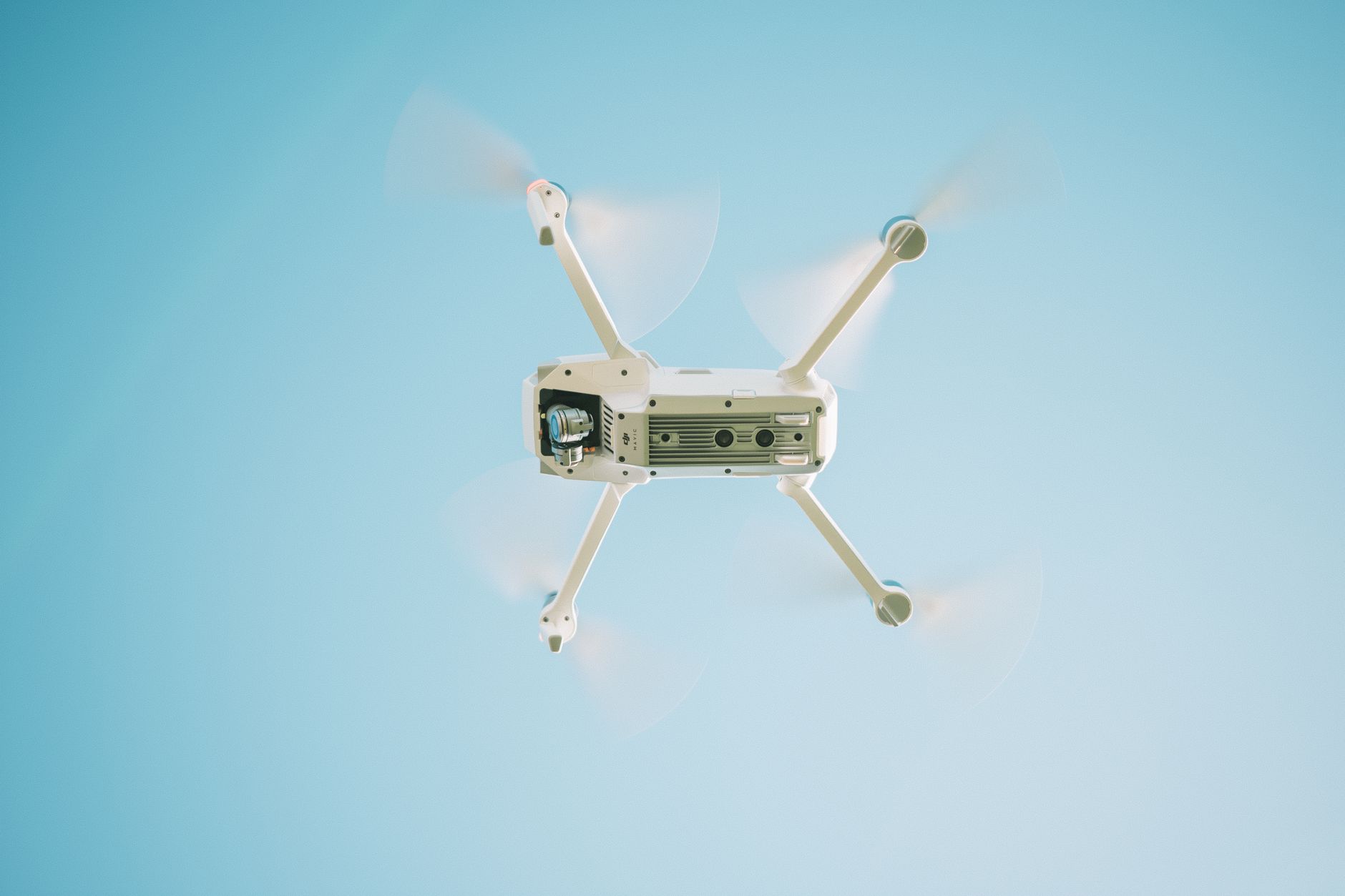
Prime Air is Amazon’s own delivery network, and the MK30 is the aircraft doing the work. It lifts packages up to 5 pounds (2.3 kg), which covers most of what people actually order: phone cables, vitamins, printer ink, a forgotten birthday gift. Amazon says the MK30 roughly doubles the range of the earlier MK27, handles light rain, and runs noticeably quieter than the first generation. Packages arrive in under an hour in active zones, often much faster. The drone never lands on your lawn. It hovers at a safe height and lowers the box on a tether to a marked delivery spot.
The legal foundation is heavier than most shoppers realize. Amazon holds a Part 135 air carrier certificate, the same category regional charter operators fly under, and received FAA approval in 2025 to fly beyond visual line of sight without ground observers watching every route. The FAA’s proposed Part 108 rule would formalize that style of operation across the industry. Every Prime Air aircraft also broadcasts Remote ID, so its position is visible to anyone with the right receiver. None of this is a hobby exemption.
The catch is geography. Prime Air operates in a short list of markets, and Amazon has closed locations before, including its early Lockeford, California site. Your address either has a launch pad within range or it does not, and customer service cannot fix that. Weather grounds flights too, and the tether drop needs a clear patch of yard roughly the size of a small patio table with no tree canopy overhead. Homes on tight urban lots often fail that test.
Key strengths:
- ✅ Delivery happens in under an hour in active zones, with no trip to a locker or a store.
- ✅ A 5 pound (2.3 kg) payload covers most small household reorders.
- ✅ You need zero extra hardware. The drone, the tether, and the yard check all come from Amazon.
- ❌ Only a handful of US metros have service, and the list changes without much warning.
- ❌ The tether drop needs a clear yard, so apartments, townhomes, and heavy tree cover are usually out.
- ❌ You get no say in the drone or the timing. If weather grounds the fleet, your order reverts to a van.
Who it’s for: Prime members who live inside an active Prime Air zone and order small, light items often.
2. Wing (Alphabet) , Best for dense suburbs with a Walmart or DoorDash habit
Wing is Alphabet’s delivery arm and the closest thing Amazon has to a direct rival in the United States. The aircraft carries about 2.5 pounds (1.1 kg), cruises near 65 mph, and covers roughly 19 km (12 miles) of range on a round trip. Instead of landing, it hovers and lowers the package on a tether, which keeps the props well away from pets and kids. Wing has run service in Christiansburg, Virginia since 2019 and now flies in the Dallas-Fort Worth area with partners including Walmart and DoorDash.
The customer experience is the easiest part to like. You order through the partner’s app, the same way you would order anything else, and a drone shows up in minutes rather than the 30 to 60 minutes a Prime Air drop usually takes. Wing plans routes automatically and can stack several deliveries per flight, which is how it keeps per-order costs down. The company markets its aircraft as quiet enough to blend into normal suburban noise, though you will absolutely hear it coming down the street.
What Wing does not do is take pictures. These are payload machines with fixed cameras for navigation only. If you want aerial footage of your own neighborhood, you are shopping in the wrong aisle, and our guide to drones for aerial photography is the better starting point. Wing’s real constraint is order density. The economics only work where enough people order often enough, which is why coverage expands block by block rather than city by city.
Key strengths:
- ✅ Deliveries often land in single-digit minutes because the fleet is already airborne nearby.
- ✅ A 2.5 pound (1.1 kg) payload handles most restaurant meals and small retail orders.
- ✅ Tether drops keep the aircraft above the ground, so you never need a landing pad.
- ❌ The weight limit rules out anything bulky, including most grocery runs.
- ❌ Coverage is limited to a few metro areas and grows slowly.
- ❌ You cannot use the drone for anything except what the partner app sells.
Who it’s for: Suburban households in an active Wing zone who order food or small retail items several times a week.
3. Zipline P2 Zip , Best for long-radius runs and medical-grade reliability
Zipline built its reputation moving blood and vaccines in Rwanda and Ghana before it touched a US suburb. The P2 Zip carries about 8 pounds (3.6 kg), cruises around 70 mph, and serves a radius of roughly 10 miles (16 km) from a single nest. That mix of payload and range is unmatched in this comparison. The company has completed well over a million commercial deliveries, most of them far from a customer’s backyard.
The delivery mechanic differs from Wing and Prime Air. The P2 Zip releases a small droid that descends and drops the package, so the aircraft itself never stops flying. That design lets Zipline cover a wide area without needing a clear landing spot at every address. In the US, Zipline has focused on health systems, retail partnerships, and restaurant brands, largely around the Dallas and Houston metros.
For a normal household, Zipline is the hardest of the four to use on demand. You do not download a Zipline app and order a burrito. You order from a partner that happens to use Zipline, and the delivery shows up. The upside is reliability. Zipline’s aircraft fly in wind and rain that ground smaller quadcopters, and years of medical operations built the safety record regulators keep rewarding with expanded approvals.
Key strengths:
- ✅ An 8 pound (3.6 kg) payload is the largest in this group.
- ✅ A roughly 10 mile (16 km) radius reaches customers a quadcopter network cannot serve.
- ✅ Years of medical flying produced a safety record regulators trust.
- ❌ You cannot order directly from Zipline. A partner brand has to serve your area.
- ❌ The droid drop needs open space below, so dense apartment blocks are a poor fit.
- ❌ US consumer availability is still narrower than Wing’s.
Who it’s for: People in partner-served areas who need larger or more time-sensitive items than a quadcopter can carry.
4. Flytrex , Best for backyard food delivery in the suburbs
Flytrex is the small, scrappy option in this group, and it leans hard into food. The aircraft carries up to 6.6 pounds (3 kg) and flies a radius of roughly 5 km (3 miles) from its launch station. That is short by delivery standards, and that is exactly the point. A 3 mile radius covers thousands of houses around a single shopping center, which is where most restaurant orders come from anyway.
The company started in Iceland, moved into North Carolina, and expanded into Texas with restaurant partners including Little Caesars and Papa Johns. Deliveries use a tether that lowers the bag into a yard, and the whole trip usually finishes in a few minutes. Because the radius is small, the aircraft spends little time in transit and more time cycling back for the next order.
The limits show up the moment you look at a map. Flytrex needs a dense cluster of customers near its launch point, and it does not carry enough weight for a full grocery run. Coverage is measured in neighborhoods, not cities. Still, for a hot meal that arrives before the fries go soft, a 3 mile flight beats a 25 minute drive through traffic.
Key strengths:
- ✅ Food arrives in minutes because the flight radius is short.
- ✅ A 6.6 pound (3 kg) payload handles family-sized restaurant orders.
- ✅ Tether delivery works in ordinary backyards with no landing pad.
- ❌ The 5 km (3 mi) radius is the shortest in this comparison.
- ❌ Service exists in only a few metro clusters.
- ❌ Wind and rain can pause flights with little notice.
Who it’s for: Suburban families near an active Flytrex station who want restaurant food delivered in minutes.
5. DJI Mini 5 Pro , Best if no delivery drone flies to your address yet
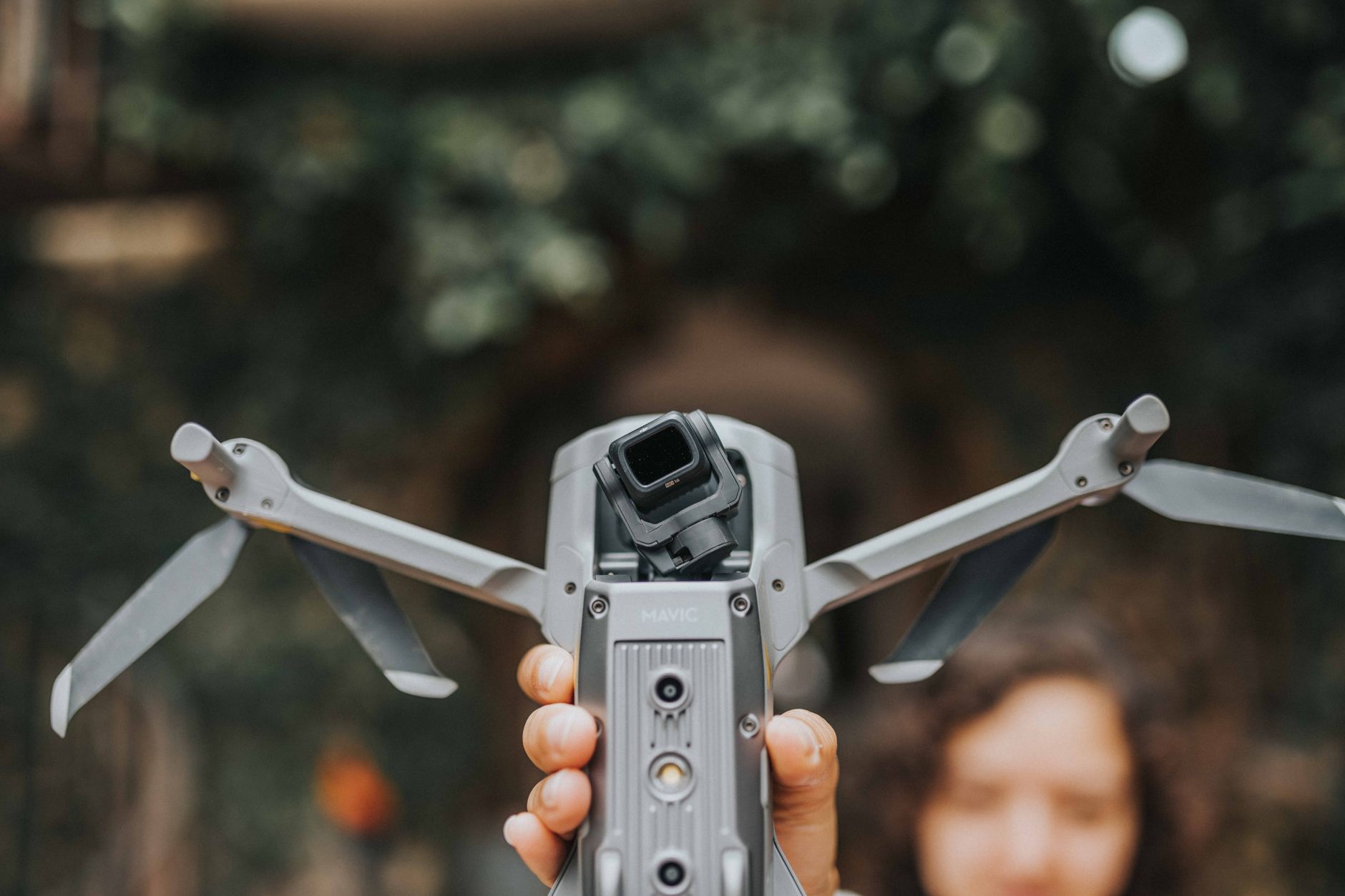
If none of those networks serve your zip code, the other option is owning the aircraft. The DJI Mini 5 Pro is the drone most people should look at first, and you can Check the DJI Mini 5 Pro on Amazon to see current availability. It weighs 249 grams, just under the FAA’s 250 gram registration line for recreational flying. The camera uses a 1-inch sensor and records 4K at 60fps. Flight time runs up to 52 minutes per battery, and the transmission link holds for about 20 km in clean conditions. Our full DJI Mini 5 Pro review covers the shooting modes and controller in detail, and DJI lists the complete spec sheet on its own site.
Rules matter here more than specs. The 249 gram weight is a recreational exception, not a free pass. Fly under Part 107 for any paid work and Remote ID applies regardless of weight, along with the rest of the commercial requirements. Carrying a package to a paying customer is not a hobby flight either. It slides into the same air carrier framework Amazon, Wing, and Zipline operate inside. If you want to charge for drone work, start by getting your drone license.
Realistically, you will use a Mini 5 Pro to shoot photos and video, not to drop off burritos. Battery health is what keeps it flying, and our drone battery care guide covers the storage and charging habits that add years of life. Buy a second battery and spare props before anything else. The Mini 5 Pro is the closest thing to a do-everything drone for a normal budget.
Key strengths:
- ✅ 249 g keeps recreational flights under the FAA registration threshold.
- ✅ The 1-inch sensor and 4K/60 video beat anything a phone can produce.
- ✅ Up to 52 minutes of flight time covers a full shoot on one battery.
- ❌ It cannot legally deliver anything for money without Part 107 and Remote ID compliance.
- ❌ A 249 g drone struggles in strong wind compared to heavier aircraft.
- ❌ You still have to learn airspace rules and check for flight restrictions.
Who it’s for: Anyone who wants aerial photos and video now and does not want to wait for a delivery network to reach their street.
Frequently Asked Questions
Is Amazon drone delivery available where I live?
Probably not yet. Prime Air operates in a short list of US metros and Amazon adds markets one at a time. The checkout page will show drone delivery as an option if your address qualifies.
How much weight can an Amazon delivery drone carry?
The MK30 carries up to 5 pounds (2.3 kg). That covers most small household reorders, but anything heavier still goes on a truck.
Do I need a license to fly a delivery drone?
For any paid operation, yes. Commercial flying needs a Part 107 remote pilot certificate at minimum, and full delivery networks like Prime Air operate under Part 135 air carrier certification with extra FAA approvals.
Do I need to register my own drone with the FAA?
Drones over 250 grams must be registered, and Remote ID applies to them. The DJI Mini 5 Pro sits at 249 grams, so recreational flights stay under that line, but Part 107 work changes the math.
Which is faster, a delivery drone or a van?
The drone, in almost every case where it flies. Prime Air targets under an hour, Wing often finishes in single-digit minutes, and Flytrex needs only a few minutes for its short radius.
Can I start my own drone delivery business?
It takes more than a drone. You need a Part 107 certificate for commercial flying, and package delivery for hire moves into Part 135 territory with operational approvals. Most pilots start with photography or inspection work instead.
What Should You Remember?
- Prime Air is real but narrow. Amazon drone delivery runs in a short list of US metros, and your address either has coverage or it does not.
- Payload decides everything. The MK30 carries 5 pounds (2.3 kg), Wing 2.5 pounds (1.1 kg), and Zipline 8 pounds (3.6 kg), which shapes what each network can sell you.
- Zipline leads on range. A roughly 10 mile (16 km) radius lets it reach customers quadcopter fleets cannot serve.
- Flytrex wins on speed per mile. A 5 km (3 mi) radius means a hot meal lands in minutes, not a half hour.
- Delivery drones are not camera drones. For footage, a 249 g DJI Mini 5 Pro with a 1-inch sensor and 52 minutes of flight time is the better buy.
- Licensing is not optional. Part 107 covers paid flying, Part 135 covers delivery networks, and Remote ID applies to registered aircraft.
This article is for general information only. Drone regulations vary by region and change frequently , always verify current local laws and airspace rules before flying.