Military drone specs read like science fiction, and the numbers climb fast. A Black Hornet weighs about as much as two AA batteries. The MQ-9 Reaper carries a 20 meter wingspan and stays airborne for 27 hours. Somewhere in between sits every consumer drone you can actually buy. That gap is why this comparison exists. If you fly a Mavic for roof inspections or chase freestyle lines with a 5 inch quad, you are using hardware that traces back to military programs. The same flight controllers, the same lithium packs, the same video links. Knowing where the tech came from makes you a better pilot. It also makes the marketing claims easier to judge.
Every drone below is described from public manufacturer data and open reporting. This article is for informational and educational purposes only. BestDroneFor does not sell, ship or link to weapons or military hardware, and nothing here is a buying guide for them. Two of the six platforms have real civilian counterparts, and those are the only ones we point you toward. Rules matter before specs do. The FAA’s drone rules require registration for any drone over 250 grams and Remote ID broadcasting on most models. Part 107 covers paid work like inspections and thermal surveys. If you are still working through that, our guide to drone laws in the USA breaks it down.
One row in the table needs a plain warning. Small FPV quads have been adapted for one-way attack missions in several conflicts, and that fact shows up in news coverage constantly. We do not cover that use and we do not link to it. The FPV row here points to a civilian frame and motor kit, the same gear you would buy to learn acro flying or race at a local field. A 5 inch build weighs around 700 grams, runs 5 to 8 minutes per pack, and sends analog video about 1 to 2 km. North of the border, Transport Canada’s drone safety rules apply to the same aircraft.
You will not find a price for a Reaper. Export controls decide who gets those airframes, and the buyers are governments. What you can do is read the tradeoffs and apply them to your own flying. Endurance costs weight. Range costs antennas and clear line of sight. Sensor quality costs money in every category. A 45 minute Mavic 3T and a 25 minute Black Hornet solve different problems, and neither one wins in the abstract. Pick the platform that matches the job, then check local rules before the props spin. If you are shopping for your first aircraft, start smaller with our picks for best drones for beginners and work up from there.
How Do the Top Options Compare?
| Drone | Best For | Flight Time | Weight | Range | Availability |
|---|---|---|---|---|---|
| Teledyne FLIR Black Hornet 3 | Covert close-range recon | 25 min | 33 g | 2 km | Government and military only |
| DJI Mavic 3T | Civilian thermal inspection | 45 min | 920 g | 12 km | Check price |
| DIY FPV kit | Hobby racing and freestyle | 5 to 8 min | About 700 g | 1 to 2 km video | DIY FPV kit (civilian use only) |
| AeroVironment RQ-20 Puma 3 AE | Hand-launched squad recon | 2.5 hours | 6.8 kg | 15 km | Government and military only |
| Bayraktar TB2 | Long-endurance surveillance | 27 hours | 700 kg MTOW | 150 km line of sight | Export-controlled |
| MQ-9 Reaper | Long-range armed ISR | 27 hours | 4,760 kg MTOW | 1,900 km | Government and military only |
Rows marked government and military only have no civilian sales channel, so there is no link attached to them. The two buyable rows, the DJI Mavic 3T and a civilian FPV kit, are the only ones we point you toward. FPV kits are sold for hobby, racing, and film work only. This article is informational and does not facilitate the purchase of weapons or military hardware. Verify current specs and rules with the manufacturer and your local aviation authority before flying.
1. Teledyne FLIR Black Hornet 3 , Best for covert close-range reconnaissance
The Black Hornet 3 is the smallest drone most people will ever read about. It weighs 33 grams, which is lighter than a typical smartphone. Two rotors and a battery pack make up almost the entire airframe. Teledyne FLIR builds it for soldiers who need to look over a wall or into a room without stepping into the open. A single charge keeps it in the air for about 25 minutes. Video travels back to a handheld terminal up to 2 km away, and the operator never touches a conventional controller. Launch it from a pocket, watch the feed, land it, walk away.
There are three cameras in the nose. One looks forward, one looks down, and one gives a thermal view. That thermal channel is the reason the aircraft exists. Finding a person in tall grass at night is close to impossible with visible light alone. The Black Hornet does it from 100 meters up without making enough noise to notice. Nothing about the design favors speed or payload. It favors being invisible.
You cannot buy one, and that matters for this comparison. The Black Hornet is export-controlled hardware sold to militaries and a few government agencies. There is no retail listing, no firmware update page, and no repair shop for private owners. Treat it as the benchmark at the small end of the scale. If you want thermal imaging in a civilian airframe, look at the enterprise models covered in our roundup of best thermal drones instead.
Key strengths:
- ✅ Weight: 33 grams, light enough to carry in a pocket and launch by hand.
- ✅ Endurance: roughly 25 minutes per charge, far longer than a comparably sized hobby quad.
- ✅ Three cameras in one airframe: forward, downward, and thermal.
- ✅ Range: up to 2 km of live video back to a handheld terminal.
- ✅ Quiet enough to fly nearby without giving away a position.
- ❌ No civilian sales channel, so there is nothing to buy and no consumer support.
- ❌ A tiny battery and light airframe mean it handles gusty wind poorly.
- ❌ Export-controlled hardware with pricing that is not public.
Who it’s for: Military and government reconnaissance teams, not private buyers.
2. DJI Mavic 3T , Best civilian thermal drone on this list
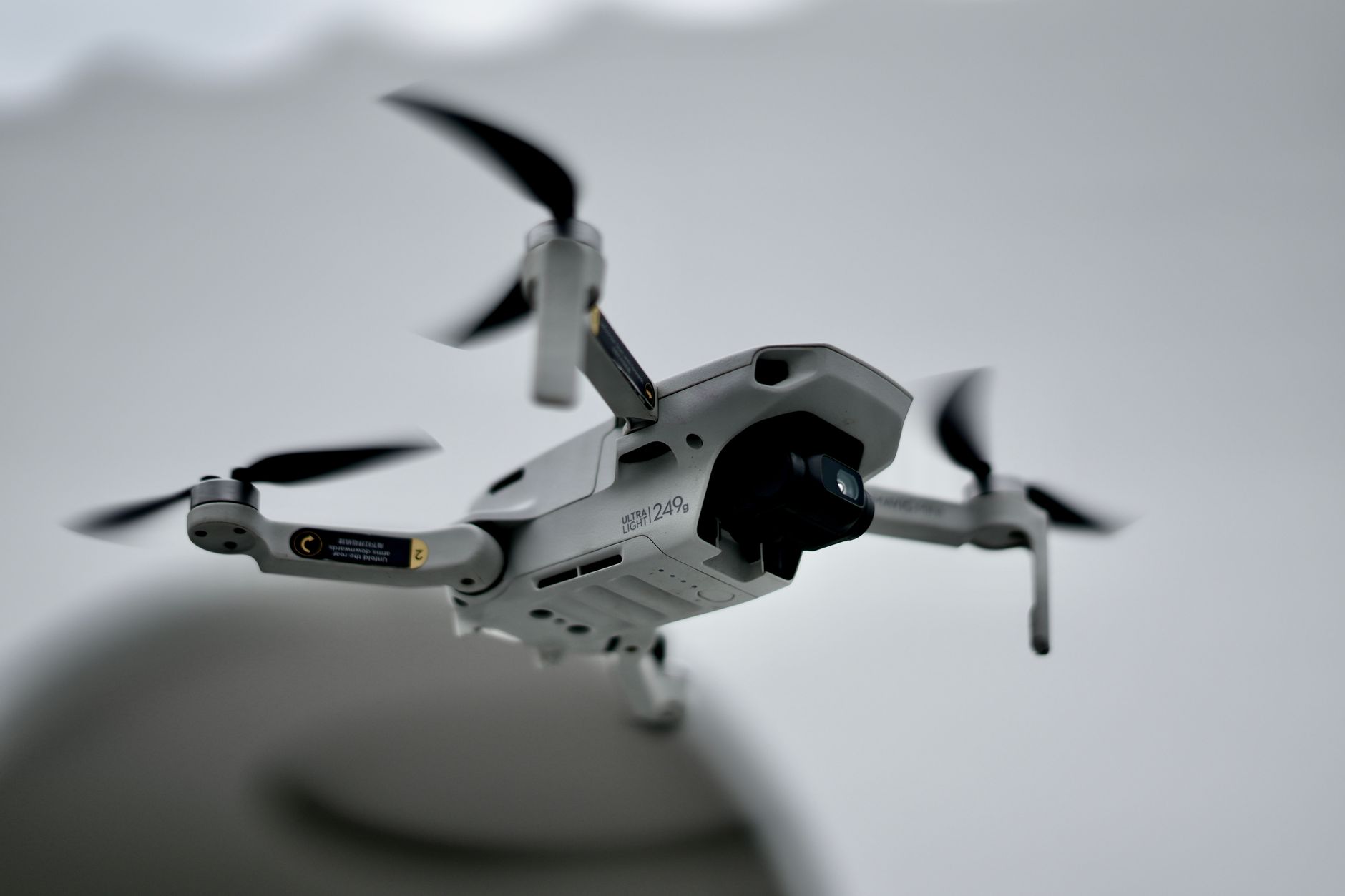
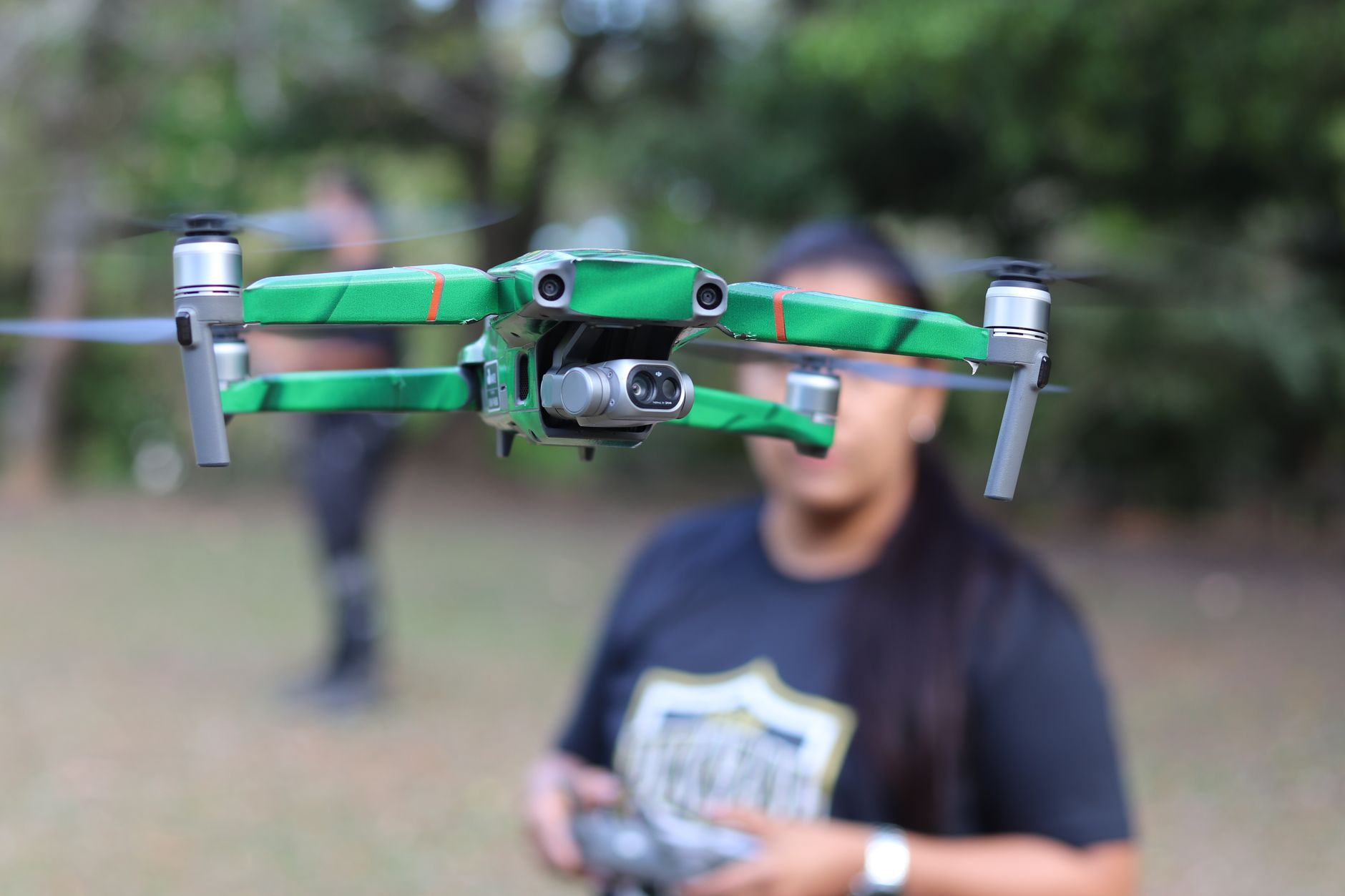
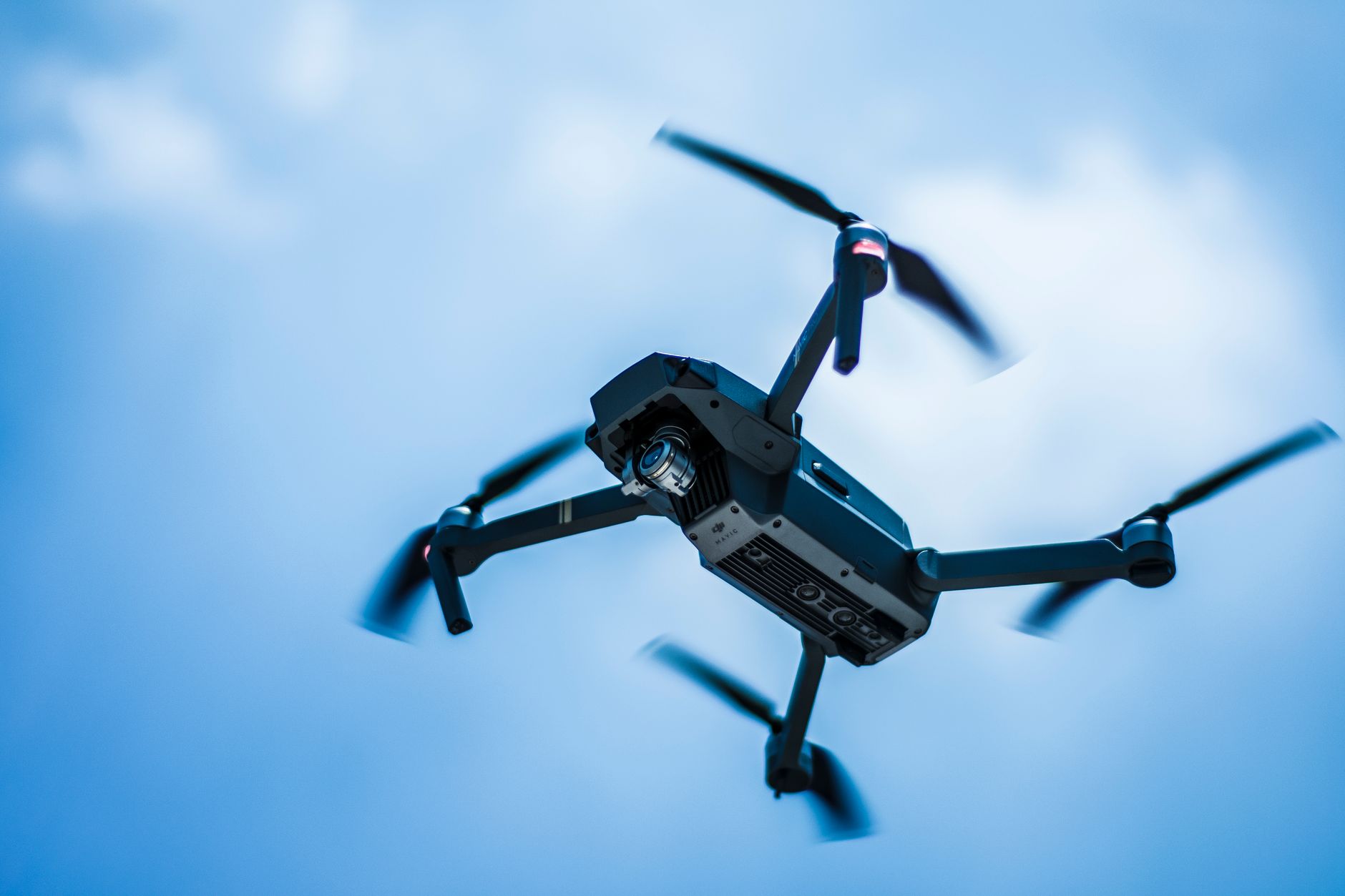
Here is the one drone on this list you can actually order. The Mavic 3T is DJI’s enterprise thermal aircraft, and it takes off at 920 grams. That puts it well over the FAA’s 250 gram registration line, so registration and Remote ID both apply. Flight time runs to 45 minutes on a single battery, which is the number that matters on a long roof inspection. Check price on Amazon if you want to see current listings.
The camera stack is built for work, not for cinematic footage. A 1/2 inch 48 megapixel wide sensor handles the daylight shots. A 640 by 512 radiometric thermal sensor reads a temperature value on every pixel. A 12 megapixel telephoto lens lets you inspect a roof edge from 100 meters out. Transmission runs on DJI’s O3 Enterprise link with a 12 km rated range in clean conditions. Full specs live on DJI’s product page.
Is it a military drone? No. There is no encrypted military datalink, no weapon station, and no hardening against jamming. What it does have is the sensor package that most working pilots actually need. Search and rescue crews use it to find people in the dark. Roofers use it to spot moisture under membrane. Solar inspectors use the thermal channel to find dead panels in a field of thousands. If you want alternatives at different price points, our best DJI alternatives guide covers the competition.
Battery behavior is the honest downside you should plan around. The 45 minute figure comes from lab conditions with no wind and mild temperatures. Cold weather cuts it hard, often down to around 30 minutes of usable flight. Buy spare packs and read our drone battery care guide before your first winter job.
Key strengths:
- ✅ Endurance: 45 minutes per battery, among the longest in its weight class.
- ✅ Thermal sensor: 640 by 512 radiometric, so every pixel carries a temperature value.
- ✅ Transmission: O3 Enterprise link rated to 12 km in ideal conditions.
- ✅ Portable at 920 grams, which means one person can carry and launch it.
- ✅ Real civilian supply chain with spare parts, service, and firmware support.
- ❌ Not hardened for contested airspace, jamming, or electronic warfare.
- ❌ Thermal resolution sits below the 1024 by 768 sensors in far more expensive units.
- ❌ Cold weather cuts real flight time to roughly 30 minutes.
Who it’s for: Inspectors, search and rescue teams, and commercial pilots who need thermal imaging today.
3. DIY FPV kit (civilian use only) , Best for hobby pilots learning manual flight
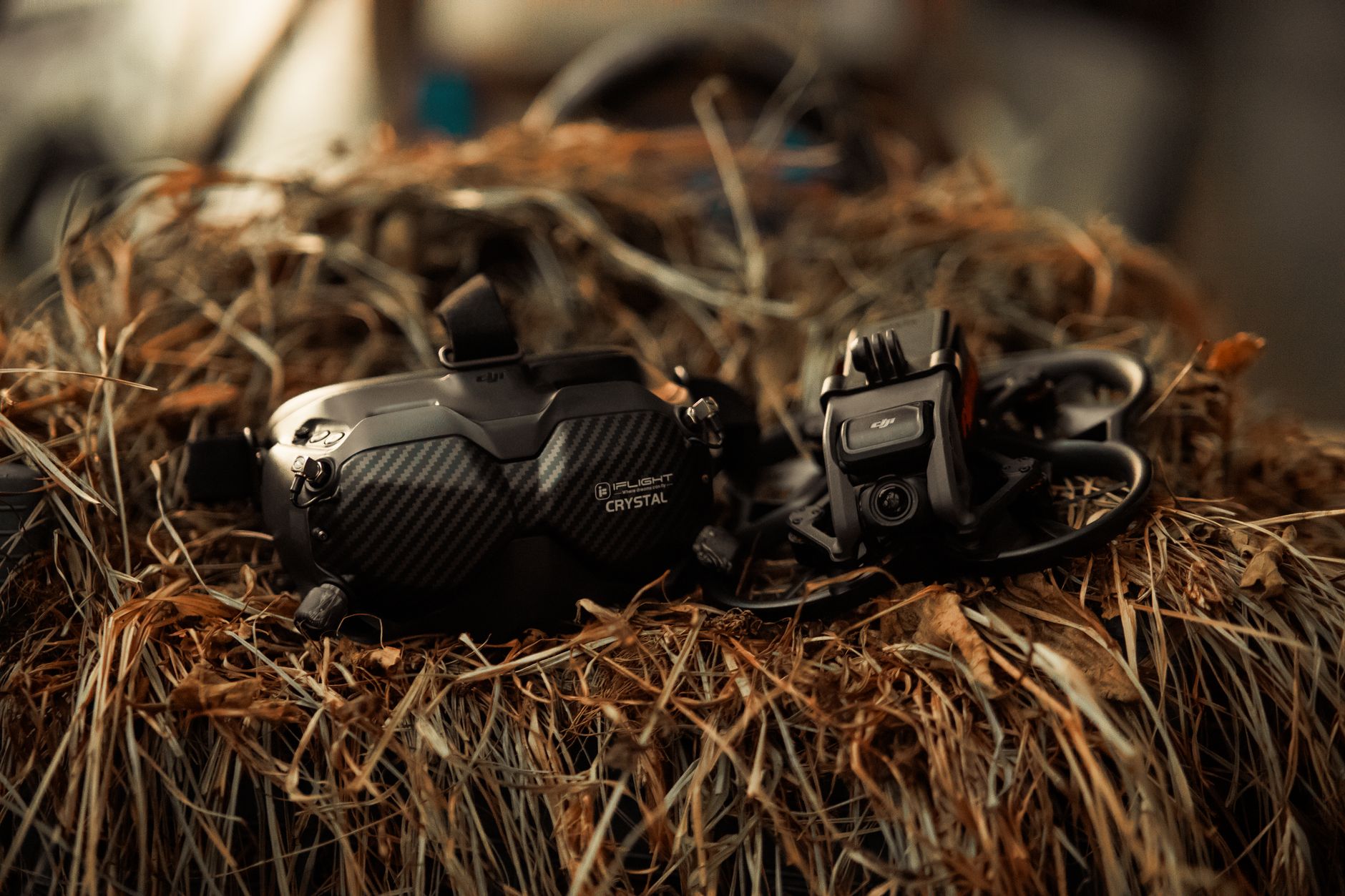
The FPV row in the table is not a strike drone in this context, and that distinction is the whole point. It is a 5 inch carbon frame, four motors, a video transmitter, and a flight controller you assemble yourself. A build like this weighs around 700 grams and flies 5 to 8 minutes per pack. Analog video reaches about 1 to 2 km before the feed breaks up. Digital systems push further but cost more. Grab a DIY FPV kit on Amazon and you have everything needed for a legal hobby build.
These quads are hard to fly, and that is the appeal. No GPS hold, no return to home on a manual build, no obstacle avoidance. You learn throttle control because the aircraft punishes sloppy input instantly. That skill transfers to every other drone you fly later, including the camera drones in our best FPV drones roundup and the thermal platforms used for paid work.
Flight time is the tradeoff nobody mentions in the ads. Five minutes of aggressive freestyle burns a pack fast, and a full day at the field means eight or ten charged batteries. Crashes are normal and repairs are cheap, which is why carbon arms and spare motors sit in every pilot’s bag. That repairability is the reason FPV pilots keep flying after a bad tumble instead of shipping the aircraft back to a service center.
The legal side is not optional. In the United States, a homebuilt FPV quad flown recreationally still needs a TRUST certificate, and the aircraft needs Remote ID or has to fly at a FRIA site. Register anything over 250 grams. Keep a visual observer with you, since goggles block your view of the sky entirely. FPV gear is sold for racing, freestyle, and film work. That is the only use this article covers.
Key strengths:
- ✅ Low cost of entry, with frames, motors, and electronics sold as complete kits.
- ✅ Repairable at the field with basic tools and a few spare arms.
- ✅ Teaches genuine stick skills because most builds have no GPS assist.
- ✅ Parts are standard, so upgrades and replacements stay cheap for years.
- ✅ Real-time video gives a direct connection between your hands and the aircraft.
- ❌ Flight time is 5 to 8 minutes, the shortest of any platform here.
- ❌ No GPS hold or return to home on a manual build.
- ❌ Legally requires a visual observer and line of sight in most jurisdictions.
Who it’s for: Hobby pilots who want to learn acro flying or racing legally and cheaply.
4. AeroVironment RQ-20 Puma 3 AE , Best for hand-launched squad-level recon
The Puma sits between the pocket-sized Black Hornet and the full-scale Reaper. It weighs 6.8 kg, launches by hand, and lands on its belly in a field. Electric propulsion keeps the noise low. Endurance runs about 2.5 hours, and the line of sight data link reaches 15 km. Wingspan is 2.8 meters, and the whole aircraft breaks down into a backpack plus two transit cases. A two person team can carry and operate the entire system.
Flight profile is what makes it useful. The service ceiling is around 15,000 feet, so it flies well above small arms range and watches an area for hours. A gimbaled sensor ball handles daylight and infrared imaging. The operator picks a target, locks the camera, and orbits. Nothing about this is dramatic, and that is the point. Persistent observation beats speed in almost every reconnaissance scenario.
You cannot buy a Puma either. Sales run government to government, and the customer list is limited to allied militaries and a handful of agencies. There is no civilian version, no public price, and no support network outside the defense supply chain. It is worth knowing about because it defines the middle tier. If you want a civilian aircraft that flies for over two hours, you are looking at gas-powered industrial platforms, not something you order from a hobby shop.
Wind tolerance is the practical limit. A 6.8 kg airframe with a 2.8 meter wingspan gets pushed around in strong gusts, and launch crews time their throws around weather windows. That is a real operational constraint, not a spec sheet footnote.
Key strengths:
- ✅ Hand launch and belly landing, so no runway or catapult is needed.
- ✅ Endurance: about 2.5 hours on electric power.
- ✅ Range: 15 km line of sight data link.
- ✅ Man-portable at 6.8 kg, split across a backpack and transit cases.
- ✅ Quiet electric motor keeps the aircraft hard to locate by sound.
- ❌ No civilian sales channel and no public pricing.
- ❌ Operating it well requires trained personnel and a two person crew.
- ❌ Sensitive to strong wind because of the light airframe and wide wingspan.
Who it’s for: Ground units that need hours of overhead observation without a runway.
5. Bayraktar TB2 , Best long-endurance value in the MALE class
Turkey’s Bayraktar TB2 changed how people think about drone cost. The airframe has a 6.5 meter wingspan, a maximum takeoff weight around 700 kg, and an endurance figure of 27 hours. That endurance is the whole argument. A TB2 can loiter over an area for a full day on one sortie, hand off to a relief aircraft, and keep sensors on a target indefinitely. Very few aircraft of any type can do that.
Control reaches about 150 km over a direct line of sight link. Add a satellite terminal and that number grows into the thousands of kilometers. Cruise speed sits near 130 km/h and the service ceiling is 27,000 feet. Payload capacity tops out around 150 kg distributed across four hardpoints under the wings. It carries a gimbaled electro-optical and infrared turret for the surveillance role and munitions when configured for strike.
The TB2 earned its reputation in conflicts where opponents lacked modern air defense. That is worth stating plainly. Against a peer adversary with layered surface-to-air missiles, a slow turboprop drone is a vulnerable target. Its durability advantage comes from cost and numbers, not from stealth or speed.
Export approval depends on Turkish government policy, and the buyer list shifts with politics. There is no civilian version and no public price. The TB2 matters in this comparison because it shows where a 700 kg airframe lands on endurance, between a 6.8 kg Puma and a 4,760 kg Reaper.
Key strengths:
- ✅ Endurance: 27 hours on station, comparable to far larger aircraft.
- ✅ Payload: roughly 150 kg across four hardpoints.
- ✅ Range: around 150 km line of sight, extended with satellite control.
- ✅ Service ceiling of 27,000 feet keeps it above most short-range threats.
- ✅ Unit cost is low relative to Western aircraft in the same class.
- ❌ Slow and highly vulnerable to modern layered air defense systems.
- ❌ Purchases depend on Turkish export approval, which is political and unpredictable.
- ❌ No civilian version exists and pricing is never published publicly.
Who it’s for: Nations that need persistent surveillance on a limited budget.
6. MQ-9 Reaper , Best for long-range armed surveillance
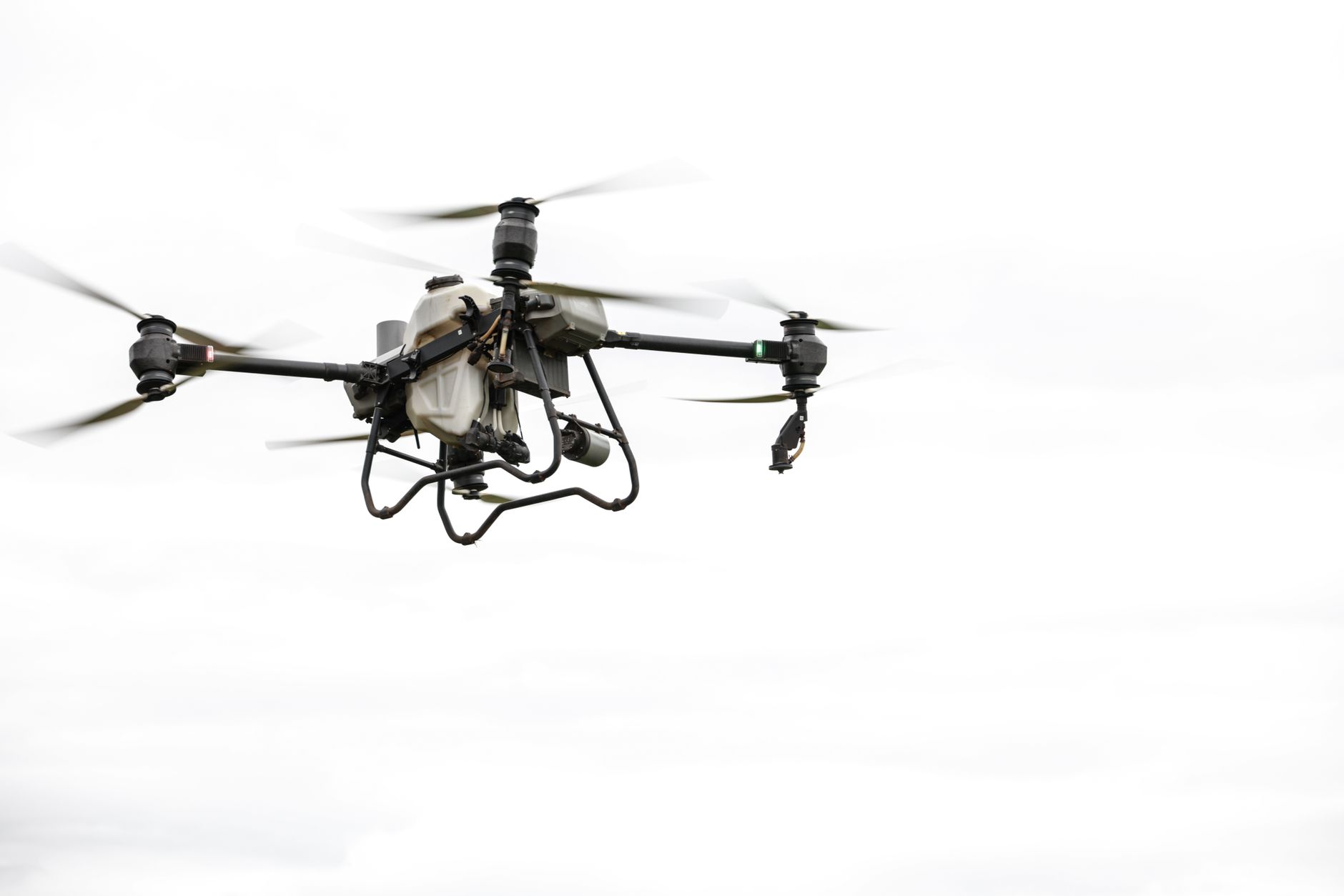
The MQ-9 Reaper is the reference point for every other entry here. Wingspan is 20 meters. Maximum takeoff weight is about 4,760 kg. Endurance runs to 27 hours, range to 1,900 km, and the service ceiling sits near 50,000 feet. That combination of altitude and time on station is why the airframe stayed in production for two decades. Nothing in the civilian world comes close on any of those numbers.
A turboprop pushes it to a cruise speed near 310 km/h. The sensor ball carries daylight and infrared cameras plus a laser designator, which is what makes the aircraft useful for both surveillance and targeting. Seven hardpoints carry munitions and external fuel tanks, with a total payload allowance near 1,700 kg. A pilot and a sensor operator sit in a ground control station, often thousands of kilometers from the aircraft itself.
Cost is the honest headline. Operating a Reaper costs many times what a crewed light aircraft costs per flight hour, and the airframe itself is only available to governments through foreign military sales channels. There is no civilian market, no public configurator, and no dealer network. Export approval can take years and depends on the political relationship between the two countries involved.
Detectability is the other weak spot. A 20 meter wingspan and a turboprop engine produce a large radar and acoustic signature. Against an opponent with modern air defense, the Reaper needs air superiority or standoff range to survive. That is a very different operating assumption than the one a 33 gram Black Hornet flies under.
Key strengths:
- ✅ Endurance: up to 27 hours, with a service ceiling near 50,000 feet.
- ✅ Range: roughly 1,900 km, far beyond any line of sight control link.
- ✅ Payload: around 1,700 kg of fuel, sensors, and stores across seven hardpoints.
- ✅ Sensor suite combines daylight, infrared, and laser designation in one turret.
- ✅ Crew can operate it from a ground station thousands of kilometers away.
- ❌ Sales are government to government, with slow and political export approval.
- ❌ Cost per flight hour far exceeds that of a crewed light aircraft.
- ❌ Large radar and acoustic signature makes it easy to detect and track.
Who it’s for: Governments that need armed overwatch with a full day of endurance.
Frequently Asked Questions
Can civilians buy a military drone like the MQ-9 Reaper?
No. Reaper and Puma sales run government to government and are controlled by export regulations. There is no consumer channel, no public price list, and no civilian support network. The closest civilian equivalents are enterprise aircraft like the DJI Mavic 3T.
Is the DJI Mavic 3T actually a military drone?
No. It is a commercial enterprise aircraft with a radiometric thermal camera, 45 minutes of flight time, and a 12 km rated video link. It has no weapon mounts and no military datalink. Police, fire, and inspection crews are its main buyers.
Do I need a license to fly an FPV drone?
In the United States, recreational FPV flying requires a TRUST certificate and either Remote ID broadcasting or flying at an approved FRIA site. Paid FPV work needs Part 107 certification. Keep a visual observer with you at all times.
How much flight time do small military drones get?
The Black Hornet manages about 25 minutes per charge. The hand-launched Puma 3 AE reaches 2.5 hours. Larger aircraft like the Bayraktar TB2 and the MQ-9 Reaper run to roughly 27 hours.
Why does this article avoid exact prices?
Military drone pricing is either classified or negotiated per contract, and consumer pricing shifts every month. We link to current listings only where a genuine civilian product exists.
What is the smallest drone in this comparison?
The Black Hornet 3 at 33 grams. It carries three cameras including a thermal channel, and it sends video back up to 2 km. It is smaller and lighter than almost any consumer drone on the market.
What Should You Remember?
- Weight drives everything. A 33 gram Black Hornet and a 4,760 kg MQ-9 Reaper chase the same mission from opposite ends of the scale.
- Endurance costs size. A 27 hour Reaper needs a 20 meter wingspan, while a 5 inch FPV quad gets 5 to 8 minutes per pack.
- Only two rows are buyable. The DJI Mavic 3T and a civilian FPV kit are the only platforms private pilots can actually order.
- Registration is not optional. Any drone over 250 grams needs FAA registration and Remote ID broadcasting in the United States.
- Thermal is the real dividing line. A 640 by 512 radiometric sensor separates working drones from camera drones.
- FPV gear is hobby gear. Frames and motor kits are sold for racing, freestyle, and film work, and that is the only use covered here.
- Check local law first. The FAA and Transport Canada both publish rules that apply before you take off.
This article is for general information only. Drone regulations vary by region and change frequently , always verify current local laws and airspace rules before flying.