Drones stopped being a toy years ago. In 2026 they’re work tools, doing jobs that used to require helicopters, cranes, or hours of manual labor. The three sectors leading adoption — agriculture, construction, and delivery — each use drones differently, and the numbers show explosive growth.
This page breaks down drone usage by industry: how many acres are being sprayed, how construction firms are integrating drone data, and how fast delivery programs are scaling up.
Agriculture
Agriculture is the clearest drone success story. Spray drones treat millions of acres, cut chemical use dramatically, and expose farmers to far fewer pesticides. The economics are compelling enough that cost per acre has fallen sharply as more operators enter the market.
| Stat | Detail | Source |
|---|---|---|
| 16.4M | acres treated by agricultural spray drones in the United States in 2025, up 58.7% year-over-year | - FAA / industry data, 2025 |
| 1,710 | FAA-certificated Part 137 unmanned aircraft operators nationwide as of September 2025 | - FAA, 2025 |
| $13 | average cost per acre for drone spraying in 2025, down from $21 in 2024 | - Industry data, 2025 |
| 46%–75% | reduction in pesticide use achieved with drone spraying versus ground equipment | - Industry studies, 2025 |
| 90%–99% | reduction in operator chemical exposure with drone spraying | - Industry studies, 2025 |
| ~400,000 | DJI Agriculture drones in use worldwide by the end of 2024 | - DJI, 2024 |
Construction
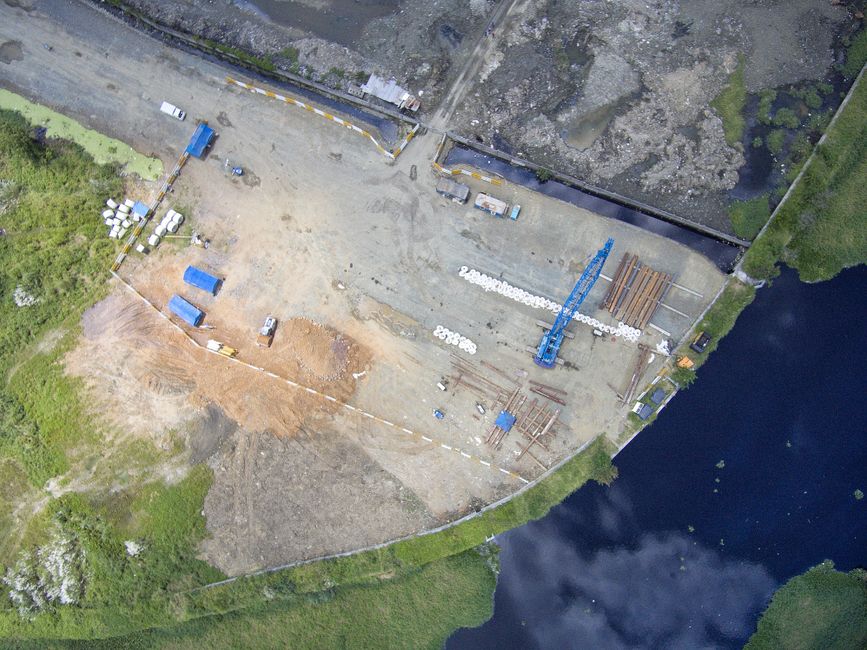
Construction firms use drones for site surveying, progress documentation, and inspection. The shift toward cloud-based data integration means drone imagery now feeds directly into project management and BIM workflows, making it standard practice rather than a novelty.
| Stat | Detail | Source |
|---|---|---|
| 41.67% | share of commercial drone revenue from industrial (including construction) end-users in 2025 | - Industry analysis, 2025 |
| $0.41B | value of the drone construction-monitoring market in 2025 | - Industry analysis, 2025 |
| 61.0% | share of drone construction-monitoring using cloud-based deployment in 2026 | - Industry analysis, 2026 |
Delivery
Drone delivery is the newest frontier, and it’s scaling fast. From medical supplies in remote areas to last-mile e-commerce, pilot programs are multiplying worldwide. North America leads in revenue, but the technology is global.
| Stat | Detail | Source |
|---|---|---|
| $1.50B–$3.47B | estimated global drone delivery market value in 2025 | - Industry estimates, 2025 |
| 540+ | pilot drone delivery programs launched globally in 2025 | - Industry tracking, 2025 |
| 35.47% | North America’s share of drone delivery market revenue in 2025 | - Industry analysis, 2025 |
What This Means for You
The industry breakdown matters if you’re buying a drone for work. A hobby camera drone can’t crop-spray; an FPV racer can’t map a construction site. Match the machine to the job:
- Farming: you need a heavy-lift spray drone. See our guide to best agricultural drones.
- Construction/real estate: a camera drone with good photo and HDR capability. Check best drones for real estate.
- Inspection/search: thermal capability. See our best thermal drones roundup.
Frequently Asked Questions
What industry uses drones the most?
Agriculture leads in measured utilization, with 16.4 million acres treated by spray drones in the U.S. in 2025 alone. Construction and delivery are the fastest-growing adjacent sectors.
How much does drone crop spraying cost?
The average cost per acre dropped to about $13 in 2025, down from $21 in 2024, as more operators entered the market.
How much do drones cut pesticide use?
Drone spraying reduces pesticide use by 46% to 75% and cuts operator chemical exposure by 90% to 99% compared to ground equipment.
Is drone delivery actually happening?
Yes — over 540 pilot drone delivery programs launched globally in 2025, spanning healthcare, food delivery, and e-commerce.